Two trainees reflect on a RhinoEdu observership in Italy, exploring surgical training, clinical culture and how ENT practice differs across international healthcare systems. The beginning of the new year marked a transition for both of us – though in different ways.
One of us had recently graduated and was preparing to enter postgraduate training, while the other was still completing medical school. We stood at different stages of the same journey, united by a shared interest in otolaryngology and a desire to deepen our understanding beyond the limits of our current roles.
Rather than letting the new year pass quietly, we chose to begin it with intention. In January 2026, we travelled to Ospedale Sant’Anna in Como, Italy, for a week-long observership with the RhinoEdu programme (https://www.rhinoedu.org/). From the initial application process to our first morning walking through the wards, the experience was seamless and carefully organised. What followed was not simply a week of watching surgery, but an opportunity to observe how experience, precision and structured thinking shape modern rhinologic practice – and to reflect on what that meant for us at our respective stages of training.
The first day
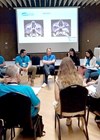
Our first day at RhinoEdu began early, with the department gathering at 7:30am in a conference room for the morning briefing. Residents and consultants assembled around a projector where the surgical cases for the day were reviewed. As imaging appeared on the screen, the head of department, Dr Battaglia, often paused to teach, asking questions about anatomical landmarks or discussing the reasoning behind the planned surgical approach. These discussions provided valuable insight into how imaging guides clinical decision-making in rhinology. Once the cases had been reviewed and the plan for the day established, the team divided their responsibilities.

Dr Molteni (left) with the visiting authors, Sheldon and Alexandra.
Some members headed to the outpatient clinic while others made their way to the operating theatre to begin the surgical list. Paediatric ENT cases were typically performed first in the morning by Dr Molteni, allowing younger patients to undergo their procedures early in the day. Observing the structured start to the day offered an early glimpse into the organisation and teamwork that underpinned the department’s clinical workflow.
Benefits for a trainee
It wasn’t too long before my colleague and I felt the advantages of attending the programme. From our first visit we were welcomed by Dr Battaglia, the head of otolaryngology at Sant’Anna, and his team. We felt like our input was taken seriously and everyone was open to having discussions about anything ENT related. We have to confess that some non-ENT topics also came up – scandalous!

Entrance to the hospital.
One of the most valuable aspects of the week was seeing how theory now became real clinical decision-making. Anatomy that we had only read about in textbooks was now seen in the theatre during procedures like septoplasty and FESS. RhinoEdu also hosts dissection courses every year, which offer the ability to gain hands-on experience and observe the dissections.
Beyond the technical aspects, the observership offered insights into the culture of surgical practice. We learned that surgery is not only a mastery of anatomy but also in resilience and patience.
For trainees considering a similar path, experiences like this are invaluable. They provide early exposure to the realities of surgical practice and allow aspiring surgeons to reflect on whether a specialty truly is for them.

The ENT team.

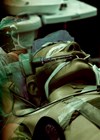
Dr Battaglia and the team in an operation.

(L–R): The authors, Alexandra and Sheldon with Drs Battaglia and Valentini.
ENT across borders
My earliest exposure to ENT came through observerships in my hometown of Bangalore, India, where I spent time at Ramaiah Memorial Hospital, Trust-In Hospital and Trilife Hospital. These experiences introduced ENT practice in a large and densely populated city. One of the most striking aspects of the clinical environment was the high volume of patients seen in outpatient clinics. ENT specialists often manage large numbers of consultations within a single session, requiring consultations to be efficient and highly focused. Clinicians relied heavily on clinical examination and rapid decision-making in order to manage the demand for specialist care.
The operating theatre environment in India reflected a similar emphasis on efficiency. Surgical lists were often busy, with several procedures performed in a single session. Common operations such as septoplasty, tonsillectomy and functional endoscopic sinus surgery were carried out regularly. For a trainee observer, this high volume offered the opportunity to see a wide range of cases and surgical techniques within a relatively short period of time. At the same time, it highlighted the pressures clinicians face when working within healthcare systems that must accommodate very large patient populations.
Observing ENT practice in Italy during our observership at Ospedale Sant’Anna in Como provided a different perspective. The clinical pace felt more measured, and consultations often allowed more time for patient discussion and detailed evaluation. There was a strong emphasis on imaging, documentation and structured planning before surgical intervention.
Acknowledgements
The authors would like to sincerely thank Dr Battaglia and the entire ENT team at Ospedale Sant’Anna in Como for their kindness, hospitality and willingness to share their expertise during our observership. We are also grateful for their permission and support in allowing us to reflect on this experience in this article.
TAKE HOME MESSAGES
-
Observerships provide valuable exposure to clinical practice, allowing trainees to observe how experienced surgeons approach patient care, surgical planning and decision-making.
-
International placements offer a unique perspective, highlighting how healthcare systems and clinical workflows differ while reinforcing the universal principles of safe ENT practice.
-
Careful preparation and active engagement are key to making the most of a short observership, particularly by reviewing relevant anatomy and procedures beforehand.
-
Early exposure to rhinologic surgery can help trainees better understand the precision and planning required in the specialty, helping to guide future training goals.