
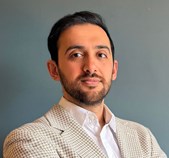
 By Shayan Shahidi, ENT specialty registrar (ST6) | Queen Alexandra Hospital, Portsmouth
Vice president | British Rhinology Society Juniors (BRSJ)
Secretary | Association of Otolaryngologists in Training (AOT)
The British Rhinological Society (BRS) Juniors’ Day and Annual Meeting 2026 brought together 192 delegates at The Atlantic Hotel in Newquay, Cornwall, for two days of education, research, professional development and networking.
Organised by the BRS and BRS Juniors Committees with support from the ENT UK Events Team, the meeting showcased the latest developments in rhinology while reaffirming the Society’s commitment to supporting trainees and advancing evidence-based practice. 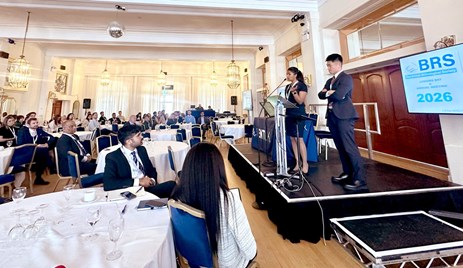
The meeting opened with a dedicated Juniors’ Day programme that looked beyond the technical requirements of higher surgical training. Alongside practical sessions on FRCS preparation, consultant interviews and fellowship opportunities, delegates explored themes including emotional intelligence, leadership and career development. A highlight of the day was Prof Wormald’s reflection on the journey from competence to mastery, emphasising the importance of anatomical knowledge, deliberate practice and effective mentorship in achieving excellence in endoscopic sinus surgery.
A notable strength of the wider programme was its multidisciplinary approach. Contributions from immunology and paediatric ENT specialists placed rhinology within a broader clinical context, while Casper van de Geer’s presentation, ‘There and Back Again: A Tale of Sea Turtles and Chronic Rhinosinusitis,’ offered a powerful patient perspective. His story highlighted the significant impact chronic rhinosinusitis can have on quality of life and reinforced the importance of timely and effective treatment.
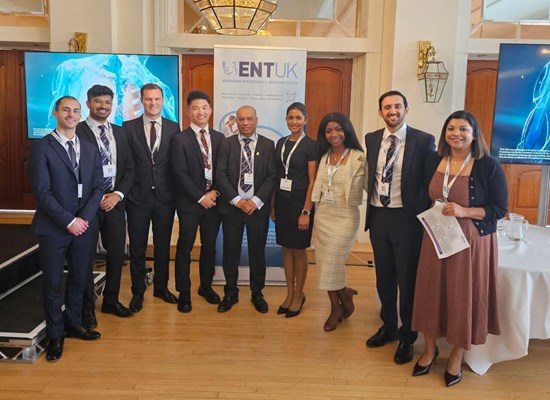
The Annual Meeting successfully balanced scientific evidence with practical clinical relevance. Delegates welcomed discussion of the long-awaited MACRO Trial results, particularly given ongoing challenges surrounding access to funding for functional nasal surgery. These findings complemented subsequent updates from the BRS and the Getting It Right First Time (GIRFT) programme on guidance and commissioning in this area. Marc Tewfik’s lecture on completeness of surgery in the era of biologics was another key feature, drawing on Canadian experience to demonstrate how biologic therapies can complement, rather than replace, high-quality surgical care and sound clinical judgement. 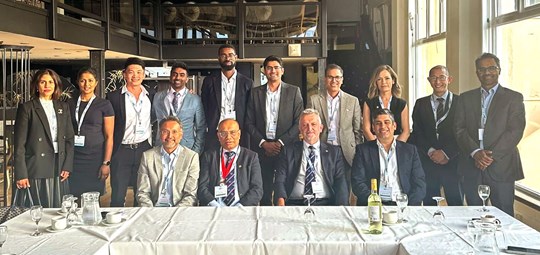
Demonstrating its ongoing commitment to the next generation of rhinologists, BRS awarded two £1,500 travel grants and several course grants through the BRS Goes Big initiative. At a time when access to educational opportunities can be challenging, these initiatives continue to play an important role in supporting training and professional development across the specialty.
The programme also provided opportunities for collegiality and reflection. Chris Potter’s popular BRS Quiz offered both entertainment and education, while the networking dinner enabled delegates to reconnect with colleagues, establish new professional relationships and continue discussions from the scientific sessions.


