
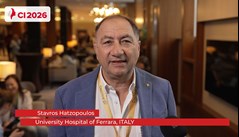
 Professor Stavros Hatzopoulos, Department of Neurosciences and Rehabilitation, University Hospital of Ferrara, Italy
The 18th International Conference on Cochlear Implants and Other Implantable Technologies was held in Warsaw in May, 2026. This event brought together leading clinicians, researchers, engineers, rehabilitation specialists and technology developers from 91 countries engaged in hearing implantology. Organised by the Institute of Physiology and Pathology of Hearing, the congress highlighted Poland’s growing influence in global hearing science and cochlear implant innovation.
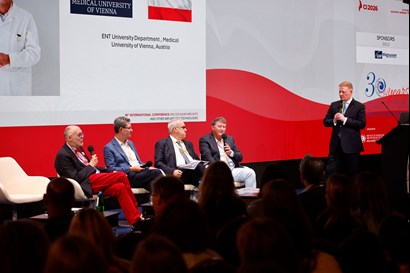
CI2026 attracted over 2,500 participants from around the world and featured an unusually interdisciplinary agenda. The topics discussed included surgery, bioengineering, artificial intelligence, rehabilitation, genetics and auditory neuroscience.
A recurring theme across participants was the accelerating convergence between medicine and digital technology. Modern hearing implantation is no longer limited to surgical excellence alone; it increasingly relies on data analysis, remote diagnostics, and personalised treatment pathways. The conference was a platform where ‘scientific depth’, interdisciplinary dialogue, and engineering innovation intersected. 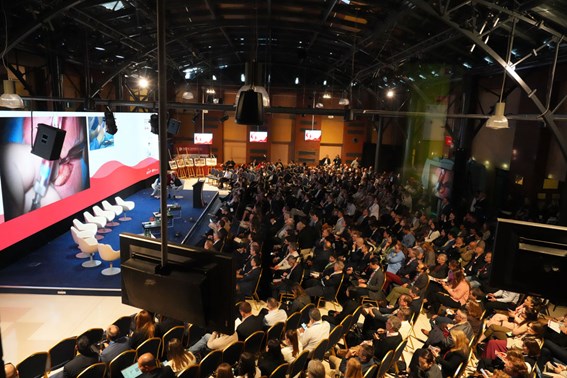
Several scientific areas generated a particularly strong interest among the audience. These included fully implantable hearing systems, AI-supported rehabilitation and speech processing, music perception among CI users, genetic therapies and next-generation speech processors. One of the most discussed subjects during the meeting was the development of fully implantable cochlear implant technologies. This topic generated significant engagement, especially among clinicians and patient advocates interested in improving the quality of life for implant recipients.
A noteworthy aspect of CI2026 was its focus on the social and human dimensions of hearing restoration. In addition to scientific sessions, the conference featured cultural programming, including the premiere of the musical ‘The Return of Beethoven’, which was associated with Prof Skarżyński and included performers connected to cochlear implant rehabilitation programmes. This artistic component resonated deeply with attendees, highlighting the broader emotional and social impact of hearing restoration technologies. 
The congress programme showcased the field's maturity. It featured 67 discussion panels, 39 scientific sessions, 29 keynote lectures, 13 industry symposia, 4 practical workshops, 2 courses and a live surgery transmission. The discussions covered a wide range of topics, including surgical techniques, clinical outcomes, health economics and the accessibility of implant care.
Overall, CI2026 demonstrated that cochlear implant technology is entering a new era of personalisation and moving toward highly individualised care and connectivity, as well as integration with advanced digital systems. The conference combined scientific rigor with a strong patient-centred perspective. It illustrated how hearing restoration is increasingly viewed not only as a medical intervention but also as a means of improving communication, education, social participation and quality of life worldwide.


