
 Vigen Bakhshinyan, deputy director, Institute of Experimental and Clinical Audiology, Moscow, Russia.
I
n September, Moscow hosted the scientific and practical conference entitled ‘Innovative technologies in the diagnosis of hearing disorders and rehabilitation of patients with hearing loss and deafness’, marking the 35th anniversary of multichannel cochlear implantation in Russia. 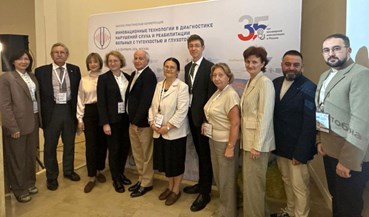
The conference was organised by the National Medical Association of Audiologists of Russia in collaboration with the Department of Audiology of the Russian Medical Academy of Continuous Professional Education.
The opening session featured two pioneers of multichannel cochlear implantation. Professor Graeme Clark, a global pioneer in the field, joined virtually from Sydney to welcome participants and congratulate the professional community. Professor George Tavartkiladze, a pioneer of cochlear implantation in Russia, reviewed the development of cochlear implantation and CI programmes in Russia and worldwide. 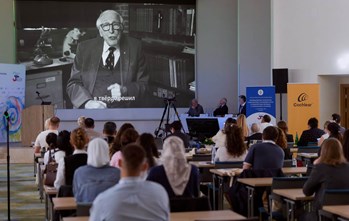
Patients using cochlear implants also took part in the opening session. A film based on real patient stories demonstrated the impact of cochlear implantation and the opportunities modern technology provides for hearing and communication.
The scientific programme focused on expanding cochlear implant candidacy criteria and improving referral pathways for CI evaluation. These issues were discussed during expert round tables and interactive sessions. A dedicated surgical panel addressed advances in implantation techniques, while a masterclass on labyrinthine disorders attracted considerable interest.
Lectures and presentations by Russian and international experts covered audiology, hearing aids and rehabilitation, otologic surgery, vestibular medicine, and auditory and speech rehabilitation. Practical masterclasses focused on paediatric hearing-aid fitting, cochlear implant programming, and electrophysiological diagnostics. 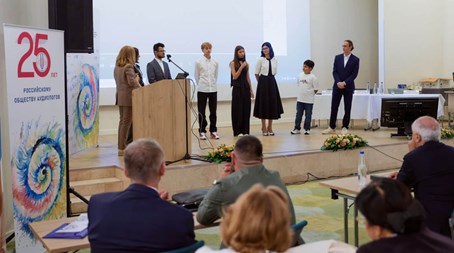
The conference provided a multidisciplinary platform for exchanging clinical experience, discussing current approaches to the diagnosis and rehabilitation of people with hearing loss, and exploring future directions in cochlear implantation. An exhibition of medical devices and emerging technologies accompanied the event.
Approximately 200 delegates from Russia and other CIS countries attended, representing audiology, otorhinolaryngology, otologic surgery, genetics, education, psychology, medical and social assessment, healthcare management, public health, and occupational medicine. 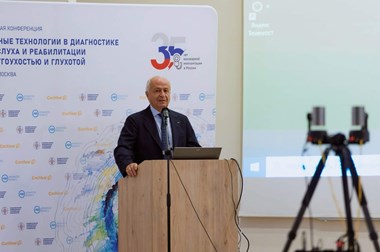
The anniversary conference highlighted 35 years of progress in cochlear implantation in Russia while focusing on the future. Key priorities include expanding CI candidacy, improving referral and patient selection, advancing hearing-preservation and atraumatic surgery, optimising implant programming, and providing comprehensive, individualised rehabilitation.


