
Oxford Road
Manchester
M15 6JA
Professor Helen Cullington, University of Southampton Auditory Implant Service, Southampton, UK
This conference brought together researchers, clinicians, students and industry representatives to explore how hearing healthcare can better meet the needs of diverse populations. Ideas were shared openly and assumptions were challenged. The theme, ‘Audiology in a Diverse World’, highlighted the importance of moving beyond a one-size-fits-all approach to hearing assessment, rehabilitation and service delivery. 
Revd Azariah France-Williams, Rector of Ascension Church, Hulme, Manchester helped us
understand how we can involve communities in our research from the start.
A recurring message throughout the conference was the need for greater diversity and inclusion in hearing research. Lauren Dillard discussed how much current evidence derives from ‘WEIRD’ populations (Western, Educated, Industrialised, Rich and Democratic), prompting discussion about how well existing assessment tools and interventions translate across cultures and communities. Presentations on hearing healthcare initiatives from a range of international settings demonstrated the importance of local leadership, partnership and community engagement when implementing services.
Technology also featured prominently. Charlotte Vercammen's keynote explored the opportunities and challenges associated with artificial intelligence in audiology, including issues of bias, transparency and ethics. Rather than replacing clinicians, AI was presented as a tool to reduce administrative burden and support decision-making while allowing professionals to focus on the human aspects of care. 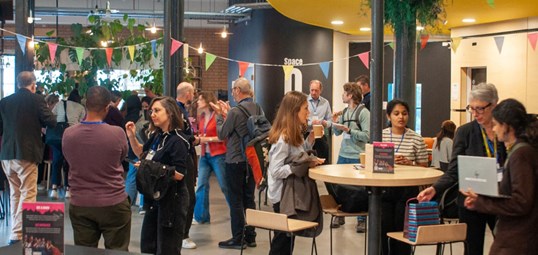
Tobias Goehring's presentation on remote audiology and web-based assessment was especially interesting, demonstrating how remote testing could improve accessibility, support longitudinal monitoring and become more integrated into routine care pathways.
A particularly thought-provoking session was a panel discussion involving members of local communities, which explored trust, relationships and the practical realities of engaging under-represented groups in research. The discussion moved beyond recruitment statistics and emphasised the importance of building genuine, long-term partnerships. One message that stayed with me long after the conference was: ‘Do research with communities, not at communities.’
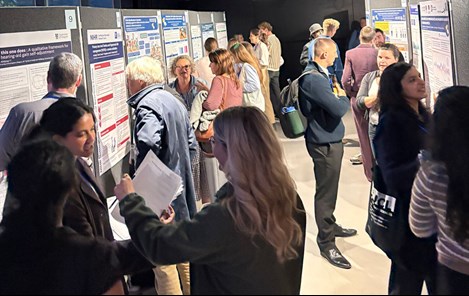
The social side of the conference was equally memorable. The dedicated poster session was accompanied by food trucks, an ice cream bike and informal networking opportunities, creating a relaxed atmosphere that encouraged conversations to continue long after the presentations ended. It was particularly encouraging to see so many students and early-career researchers presenting their work with confidence and enthusiasm.
The CAPers scholarship scheme also deserves recognition for widening participation and enabling delegates who might otherwise have been unable to attend. I was grateful for the support I received, as were several other attendees.
Overall, ManCAD CAPers 2026 was a stimulating and thought-provoking meeting that reinforced the importance of inclusion, collaboration and innovation in shaping the future of hearing healthcare.


