
A global OHNS network is bringing clinicians, researchers and advocates together to tackle inequities in ENT care through research, training and local partnerships.
The care gap
For billions of people worldwide, access to otolaryngologic care is determined by where one is located [1]. Whether a child presents with hearing loss or a patient receives a new oral cancer diagnosis, outcomes depend on the presence of trained practitioners in otolaryngology head and neck surgery (OHNS), adequate equipment and accessible healthcare infrastructure.
For instance, hearing loss is the fourth most common disability worldwide, yet 80% of those affected live in low-and middle-income countries (LMICs) [1]. Furthermore, the global average OHNS provider density is estimated at 2.19 clinicians per 100,000 people, and even fewer in many LMICs [1]. Addressing inequities in global OHNS care requires sustainable solutions grounded in evidence-based research and investment in local communities. Through this vision of equitable engagement, the Global OHNS Initiative was born.
A global community responds
The Global OHNS Initiative is a 501(c)(3) nonprofit organisation committed to advancing the availability, accessibility and quality of global OHNS subspecialty care through research, advocacy and co-development. The Initiative represents a growing international community of more than 450 members from over 60 countries [2], including clinicians, surgeons, researchers, trainees and advocates. It also collaborates with academic institutions, foundations and other organisations to advance research, advocacy, training and co-developed projects grounded in equitable partnerships and local solutions.
 Figure 1: The Global Otolaryngology–Head and Neck Surgery Initiative organisational structure.
The Initiative is organised into five core teams: education, regional representatives, research, advocacy and operations (Figure 1). This structure was developed to address the global inequities unique to otolaryngology. For example, a 2025 study by the Initiative demonstrated that otolaryngologists and trainees in LMICs reported less access to research funding, fewer publications and greater institutional and governmental barriers than their equivalents in high-income countries (HICs) [3]. To address these disparities, our teams provide local surgeons with an opportunity to discuss community-specific challenges, provide specific programming based on local needs and support members facing unique challenges. Through this multifaceted approach, the Initiative is a dynamic community that is well equipped to support local OHNS surgeons worldwide (Figure 2).
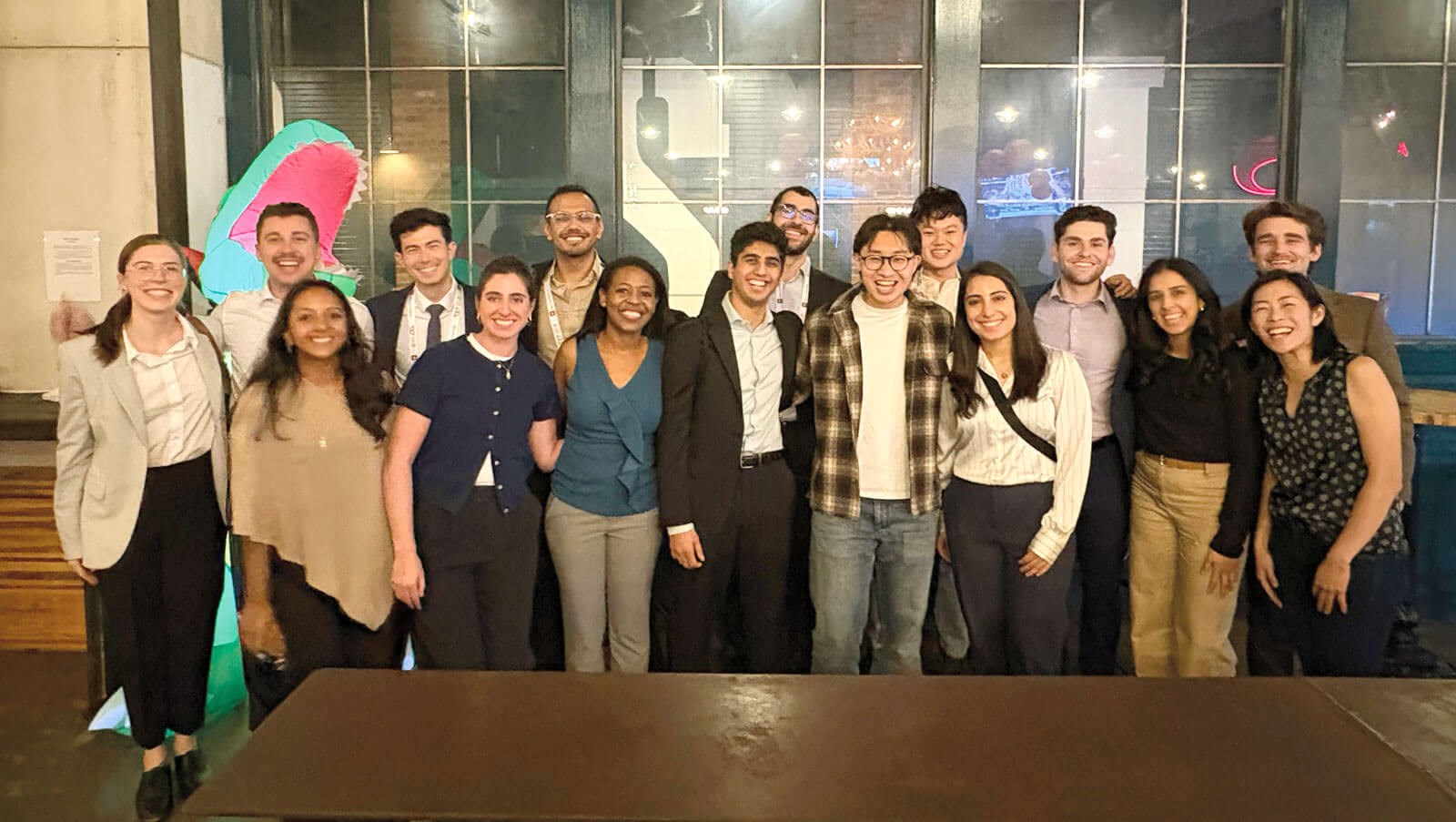
Figure 2: Global OHNS Initiative members in Indianapolis, USA, at the 2025 American Academy of Otolarynology-Head and Neck Surgery Annual Conference.
Members of the Initiative come together monthly at large group meetings open to all. These meetings provide a collaborative space to discuss research and serve as a platform to hear from expert speakers from across the globe. These discussions foster a collaborative culture, often leading to new research project ideas and partnerships.
To date, members have contributed to and published 39 peer-reviewed publications. This work includes evaluations of the global OHNS and audiology workforce distribution, training pathways, equipment availability, barriers to care and research equity, among others [2]. Researchers follow the Global OHNS Initiative’s Research Equity Guidelines, ensuring regional representation, open dialogue about responsibilities and authorship, and early involvement of local researchers [4].
Pragmatic research to improve healthcare
Since its founding in 2019, the Global OHNS Initiative has worked with members and partner institutions to address barriers to otolaryngology care through research, education, advocacy and locally informed programme development. Simulation-based education is one part of this broader approach. In Butaro, Rwanda, the Initiative partners with the University of Global Health Equity (UGHE) to develop low-cost models for airway management, epistaxis and removal of ear and nasal foreign bodies. The partnership later developed a reusable, 3D-printed tracheostomy model for training general practitioners (GPs), leading to improvement in their knowledge, technical skills and confidence.
The Global OHNS Initiative is now preparing to launch a medical education project sponsored by the Spencer Foundation, titled ‘Three T’s: Tissues, Tools, and Teachers’. This project is a collaboration between academic and industry partners from the US and Tanzania. The project will examine how training materials, simulation settings and teaching support influence simulation-based medical education for otologic surgery across different institutional and resource settings.
Recognising that 1.6 billion people experience hearing loss and major gaps exist in the hearing healthcare workforce, the Initiative has also established the Primary Ear and Hearing Care Research Consortium. This is a collaborative network that undertakes implementation research to design and integrate scalable ear and hearing care into primary healthcare systems. The flagship effort from this consortium is the Kenya Hub-and-Spokes Scalable Newborn Hearing Screening Program. In partnership with Hear the World Foundation, this pilot programme is evaluating a novel hearing screening programme that is being integrated into routine maternal, newborn and immunisation services at Kenyatta University Teaching, Referral & Research Hospital (KUTRRH). This work is being conducted in partnership with Kenya’s Ministry of Health, KUTRRH, Duke University and the Clinton Health Access Initiative. The pilot programme will help partners assess feasibility, cost effectiveness and sustainability of Universal Newborn Screening in a low-resource-setting, helping inform scalability across Kenya (Figure 3).
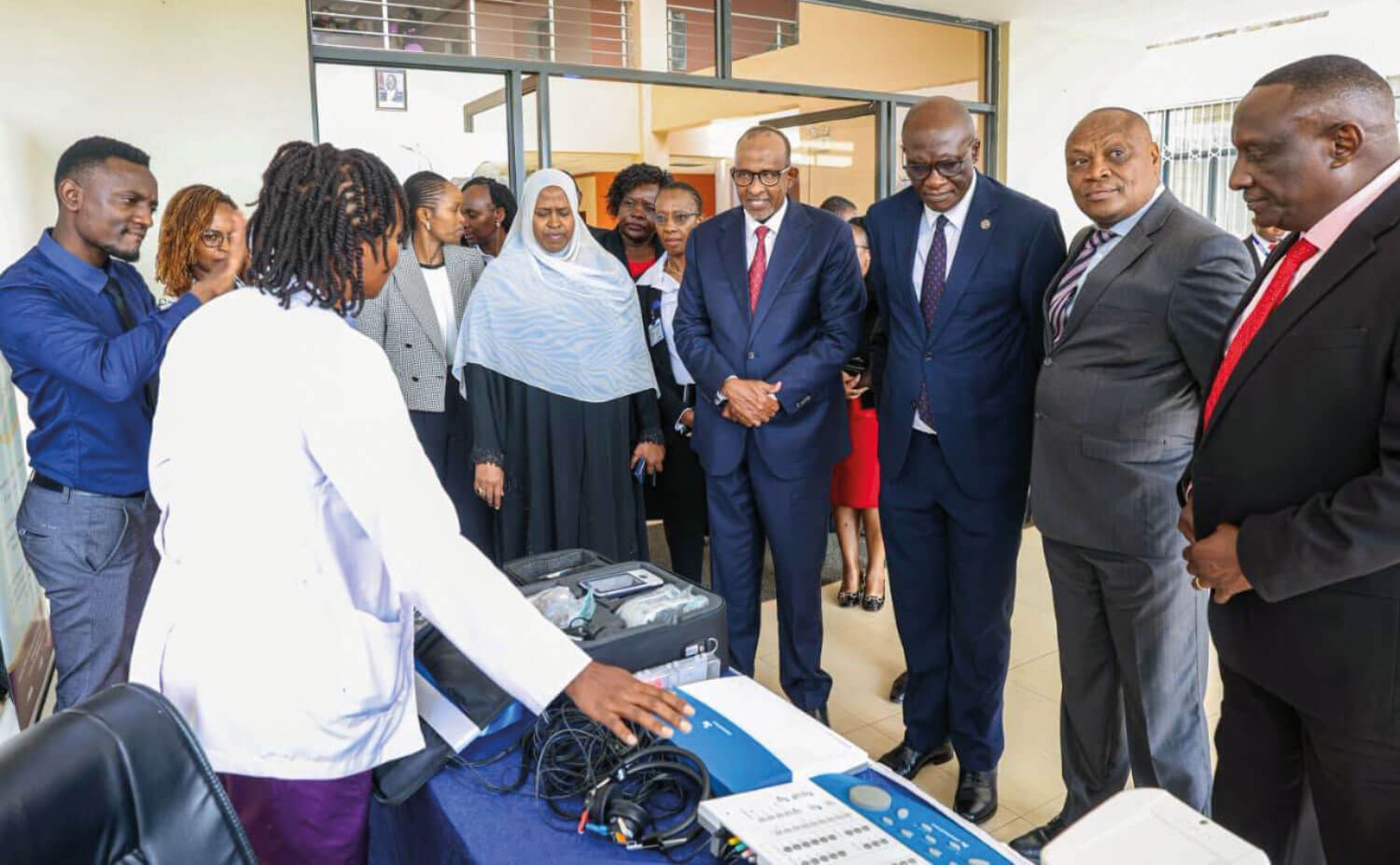
Figure 3: Global OHNS Initiative member, Lilian Mokoh, hosts the Kenyan Secretary of Health at her institution, Kenyatta University Teaching, Research and Referral Hospital. During this visit, the Kenyan Ministry of Health recognised the institution as a Center of Excellence for Hearing Care, highlighting its collaboration to start a scalable newborn hearing screening programme with the Global OHNS Initiative, Hear the World Foundation and the Clinton Health Access Initiative.
To complement the Initiative’s on-the-ground work, the organisation is also launching OtoSurg 1, an international, multisite, prospective cohort study that will establish a de-identified global registry of paediatric tonsillectomy data through locally led partnerships [5]. By documenting tonsillectomy techniques and outcomes across resource settings, the registry will inform practice changes to improve outcomes for one of the most common surgical procedures globally while allowing participating institutions to contribute data and interpret findings within their own contexts. The study currently has 263 sites enrolled from 70 different countries across all six World Health Organization regions. The novel OtoSurg research network will lay the foundation for vibrant and active global engagement on future prospective initiatives and data-driven interventions within the Global OHNS community.
A vision for the future
Over the past seven years, the Initiative has grown into an organisation that empowers members to leverage research to advocate in their own communities, regionally and internationally. Its next phase will focus on member-led research, long-term partnerships, and practical training and approaches that institutions can adapt to their own needs. The Initiative is also interested in the use of technology and innovative approaches to close the gap in access to ENT surgery services, such as use of artificial intelligence in diagnostics and patient management as well as tele ENT approaches for low-resource-settings.
Join the work
Achieving the vision of equitable otolaryngologic care requires collective action. We invite you to join this work by becoming a member of the Global OHNS Initiative. The Initiative does not charge membership fees and there is no minimum level of participation required. This is designed intentionally to make the work accessible to people with different levels of experience and availability. While this model has helped create a broad and inclusive network, the Initiative is working to increase the funding available to support structured mentorship, research training and publication support.
External funding enables the Initiative to address research costs for authors who may otherwise be unable to publish their works, facilitate investigative mentorship across ENT subspecialties and research modalities for trainees globally, all the while bolstering its ability to financially drive LMIC-initiated, grassroots efforts to bridge the gaps in access to equitable otolaryngologic care. Greater support allows the Initiative to reach further, extending these opportunities to a larger community.
The Initiative welcomes financial support aligning with its mission and vision from individuals, foundations and professional organisations committed to the shared vision. For more information on how to financially support the Initiative or specific projects with the organisation, please reach out to our chief financial officer, David Fei- Zhang: cfo@globalohns.org
Acknowledgements
The Global OHNS Initiative members also include: Musa Kirfi Abdullahi, Zachary Elwell, David Fei-Zhang, Searyoh Kafui, Denus Katundu, Luca Giovanni Locatello, Lilian Wairimu Mokoh, Samuel Okerosi, Rolvix Harlan Patterson, Nidanur Sinanoglu and Mary Jue Xu.
References
1. Petrucci B, Okerosi S, Patterson RH, et al. The global otolaryngology–head and neck surgery workforce. JAMA Otolaryngol Head Neck Surg 2023;149(10):904–11.
2. Global Otolaryngology–Head and Neck Surgery Initiative. Building bridges and fostering health equity through research: the Global Otolaryngology–Head and Neck Surgery Initiative. World J Surgery 2025;49(6):1391-3.
3. Zalaquett NG, Mir MA, Jalkh RM, et al. Barriers to research faced by high-income versus low- and middle-income country otolaryngologists and otolaryngology residents. OTO Open 2025; OTO Open 2025;9(1):e70073.
4. Patterson RH, Xu MJ, Okerosi S, et al. Research equity in otolaryngology–head and neck surgery. OTO Open 2021;5(2):2473974X211024145.
5. Elwell Z, Finnegan E, Motwani K, et al. Study protocol for OtoSurg 1: a prospective evaluation of worldwide tonsillectomy indications, techniques, and outcomes. PLOS ONE 2026;21:e0349700.
Declaration of competing interests: None declared.





