
A new review shows significant promise of improved clinical outcomes for patients from the treatments in development for neural hearing loss (NHL), alongside better diagnosis. 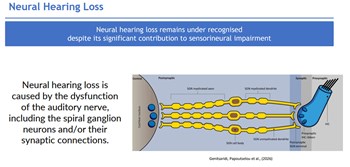
NHL is responsible for a range of hearing disorders including auditory neuropathy spectrum disorder (ANSD) and playing a significant role in the development of presbycusis or age-related hearing loss. Symptoms include difficulties with real world hearing function, speech recognition and particularly distinguishing ‘speech in noise', for example in a crowded place. Standard devices such as hearing aids and cochlear implants are unsatisfactory where there is NHL as they are designed to counter hair cell loss, not nerve cell loss. There is no approved drug treatment for neural hearing loss, leaving patients with poor outcomes.
The review, authored by Rinri Therapeutics, assesses the contribution of neural hearing loss (NHL), driven by dysfunction of the auditory nerve in the ear, to hearing impairments, and shows that groundbreaking approaches such as cell therapies are on the horizon. The review concludes that elevating the importance of neural health via better diagnosis and treatment is crucial for restoration of natural hearing.
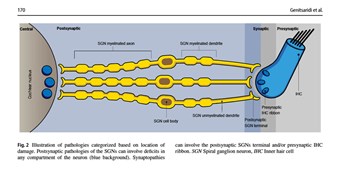
The authors highlight the range of interventions in development to address this unmet medical need. Emerging strategies for neural protection include small molecules, neutrophins, direct reprogramming, drug delivery systems and gene-based therapies. However, it is only cell therapies which offer the potential for true repair and regeneration. Recent approval of a UK clinical trial application for a first-in-human trial of Rinri Therapeutics' Rincell-1 is a significant step in the development of a regenerative cell therapy approach to NHL. Rincell-1 consists of otic neural progenitor cells designed to regenerate auditory neurons and is expected to enter the clinic shortly.
Recognising the likely underdiagnosis of NHL, despite its high prevalence, due to factors such as a lack of sensitive and specific tests, the inaccessibility of the cochlea and lack of specific treatments, the authors call for more research in this area. This could include development of biomarkers and increased ‘speech in noise’ testing as routine.
“Consolidating the extensive neural hearing loss research into this review highlights the central role it plays in hearing loss conditions. With today’s increased understanding of NHL, a paradigm shift is underway to improve outcomes for people with this widespread but underdiagnosed condition”, said lead authors Drs Eleni Genitsaridi and Efstratia Papoutselou of Rinri Therapeutics.
The paper, 'Neural Hearing Loss: Mechanisms, Diagnosis and Treatment Horizons' was published in Journal of the Association for Research in Otolaryngology (2026)
Top Of Page

Accreditations


Pinpoint Scotland Ltd (Registered in Scotland No. SC068684) | © 2026 - Website by Gecko Agency