Awake transnasal laryngeal injection has become globally popularised. This article discusses autologous plasma as a regenerative alternative to synthetic materials.
Regenerative therapies are increasingly being explored across a range of specialties. Among these, platelet-rich plasma (PRP) has seen the widest clinical adoption in laryngology and is gaining momentum in the management of vocal fold disorders [1,2].
PRP is an autologous product derived from a patient’s own blood, consisting of a concentrated plasma preparation rich in platelets and growth factors. Unlike conventional treatment, PRP aims to harness intrinsic reparative mechanisms to promote tissue remodelling and restoration of vocal fold structure and function. In this article, we describe our current approach for office-based PRP injection (Figure 1).
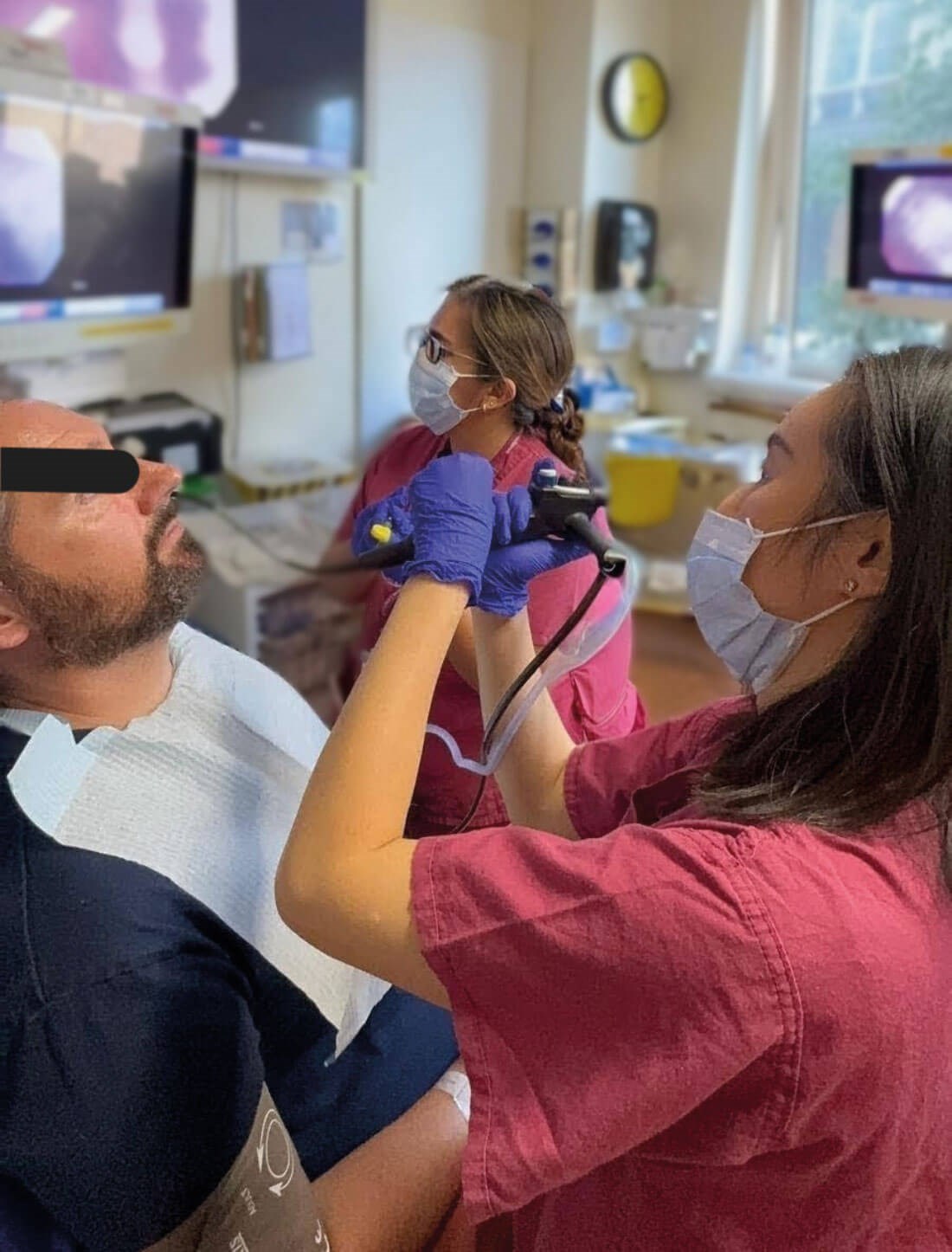
Figure 1: Office-based transnasal endoscopic PRP injection performed under local anaesthesia.
Patient selection
The principal aim of PRP treatment is to restore vocal fold tissue quality and pliability and, where required, improve tissue bulk. It can be considered in disorders involving deficiencies of the superficial lamina propria, such as vocal fold scar and sulcus vocalis as well as vocal fold atrophy, where dysphonia results in functional limitation or impacts daily or professional voice use. It can also be used as an adjunct during phonomicrosurgery to facilitate healing.
In our practice, candidacy assessment includes a detailed history and examination with transnasal laryngoscopy and videostroboscopy, together with objective and perceptual voice analysis and patient-reported outcome measures. These provide a functional baseline against which treatment response can be assessed and monitored.
Preparing the PRP
A number of commercial PRP preparation systems are available. We use the Tropocells® PRP system and centrifuge that employs a single-spin protocol at 1500 g, with gel-separation technology allowing density-based isolation of the platelet-rich layer without conventional buffy-coat extraction. This reduces dependence on operator technique and can achieve a platelet extraction efficiency of up to 80%. The pre-prepared collection tube contains an anticoagulant modified to a physiological pH of 7, helping to minimise laryngeal discomfort or stinging during awake office-based injection.
"Although airway compromise may be a concern following bilateral over-injection, this has not been encountered in our clinical practice"
Immediately before treatment, 22 ml of peripheral venous blood, usually from the antecubital fossa, is drawn into the Tropocells® tube using a vacuum collection system. The centrifugation process takes 10 minutes. Once complete, approximately 7 ml of platelet-poor plasma is discarded, and the remaining platelet-rich fraction directly above the gel barrier is resuspended to yield approximately 5 ml of PRP for injection. This is then drawn into individual 1 ml luer-lock syringes for subsequent injections. Up to 1 ml may be required to prime the injection needle, leaving up to 2 ml available for injection into each vocal fold.
Injection technique
The topical anaesthetic technique mirrors that used for other office-based laryngeal procedures in a stepwise manner and is usually undertaken while centrifugation is taking place [3]. Once topical anaesthesia is established and centrifugation is complete, PRP can be delivered to the vocal folds via a transnasal endoscopic, transcutaneous or transoral approach. The technique can be tailored according to surgeon preference, equipment availability and patient factors.
Figure 2: Stepwise preparation of platelet-rich plasma (PRP) for office-based vocal fold injection.
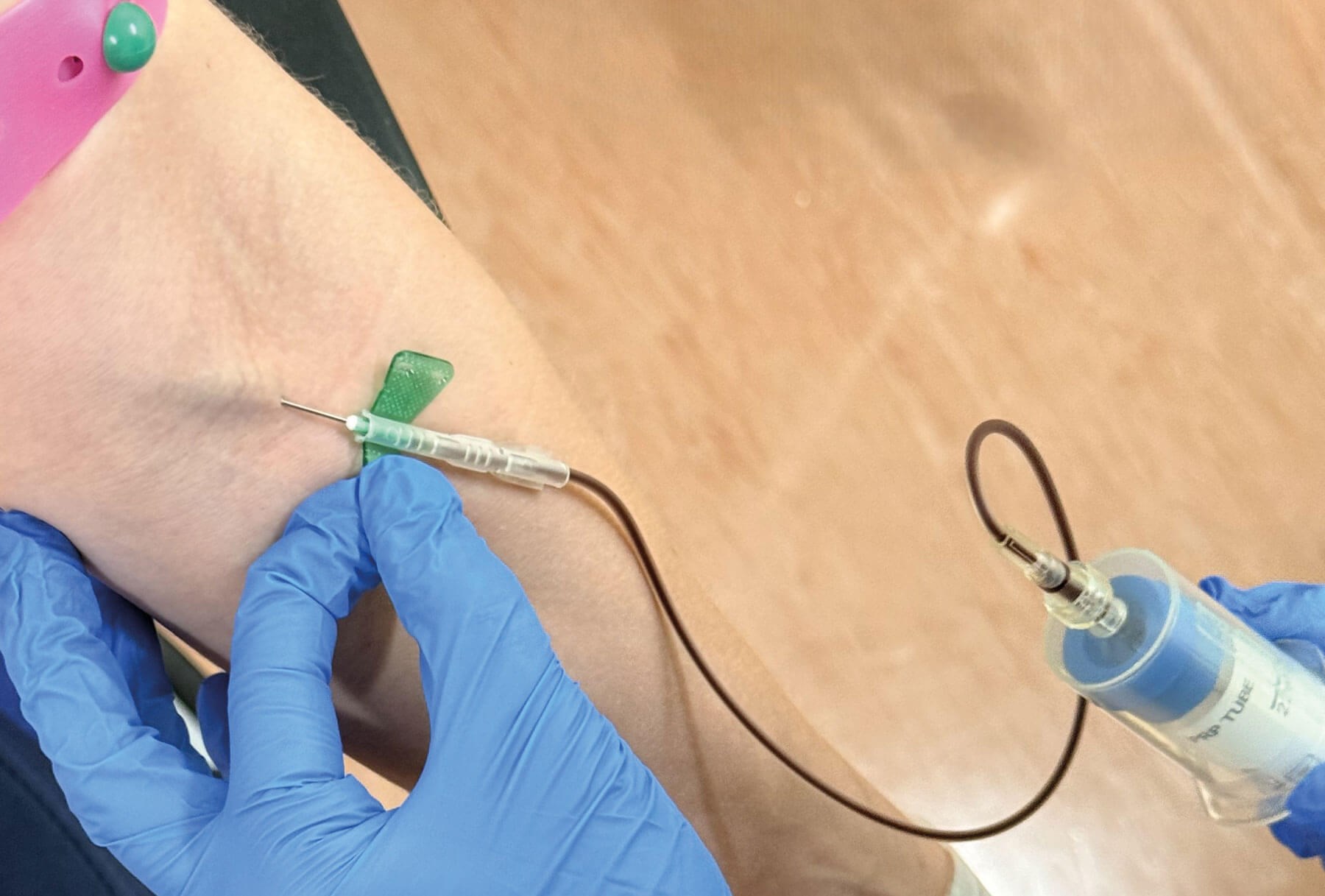
(a) Blood draw (22 mls).
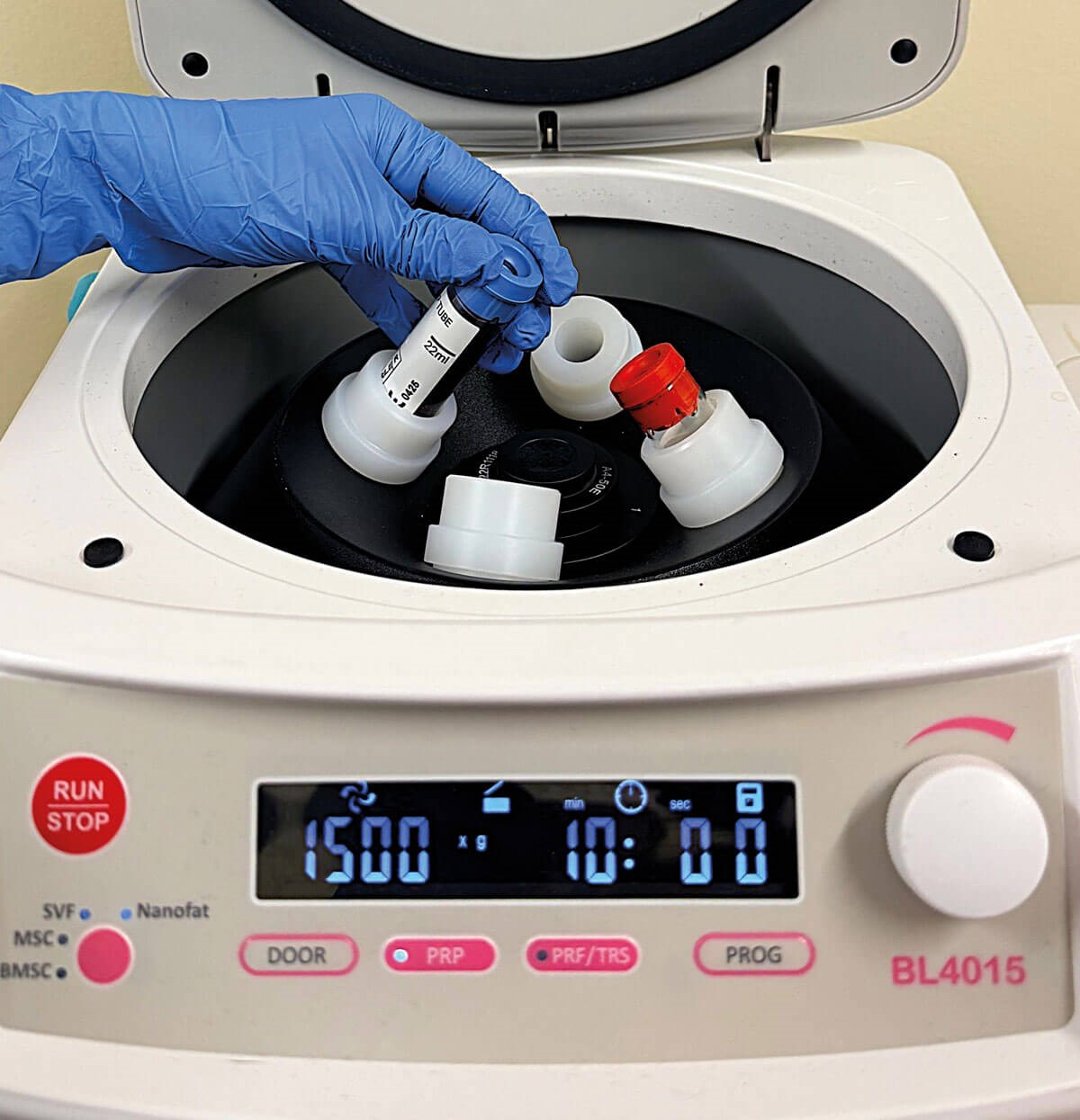
(b) Centrifugation.
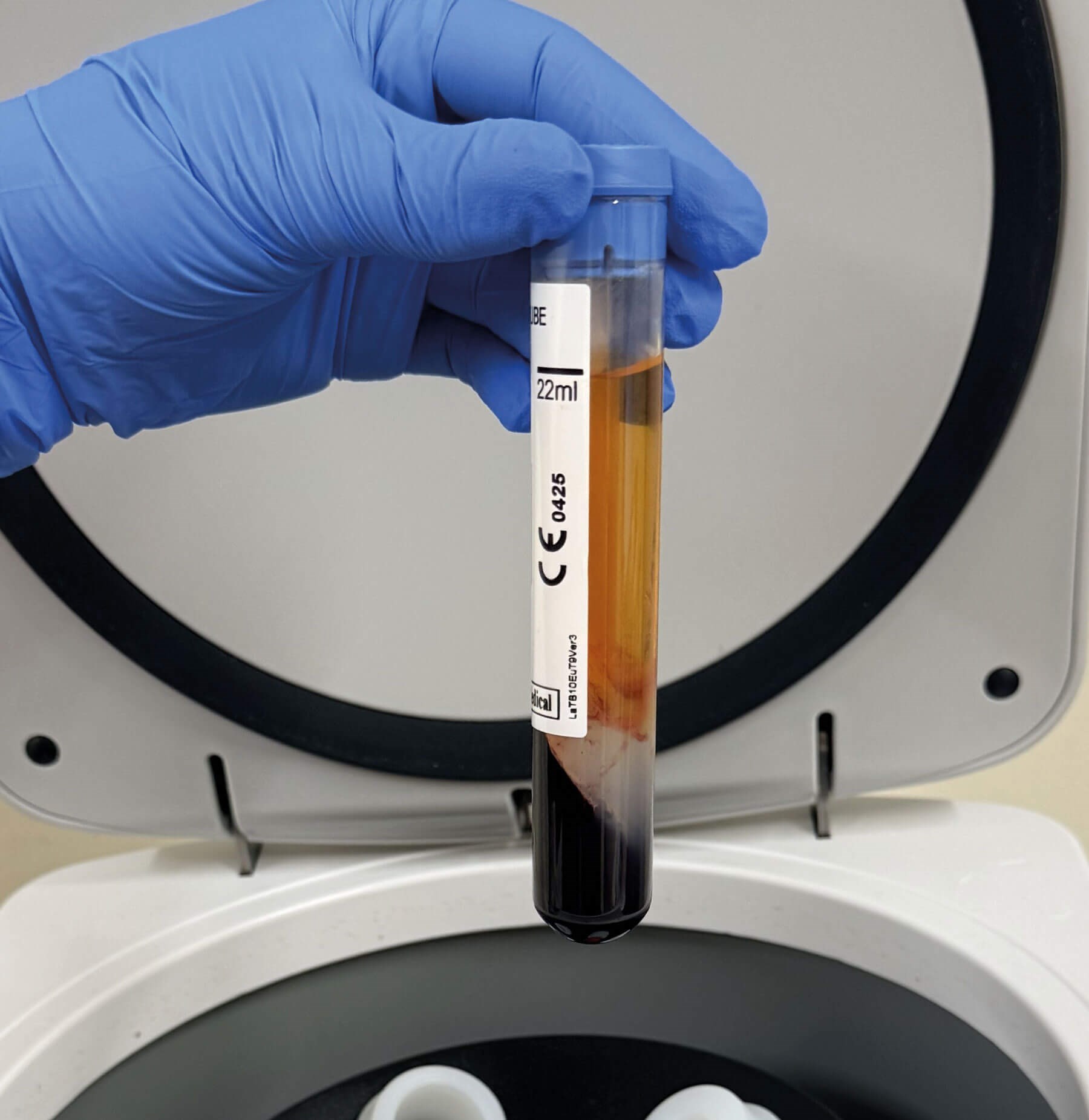
(c) Post-centrifugation.
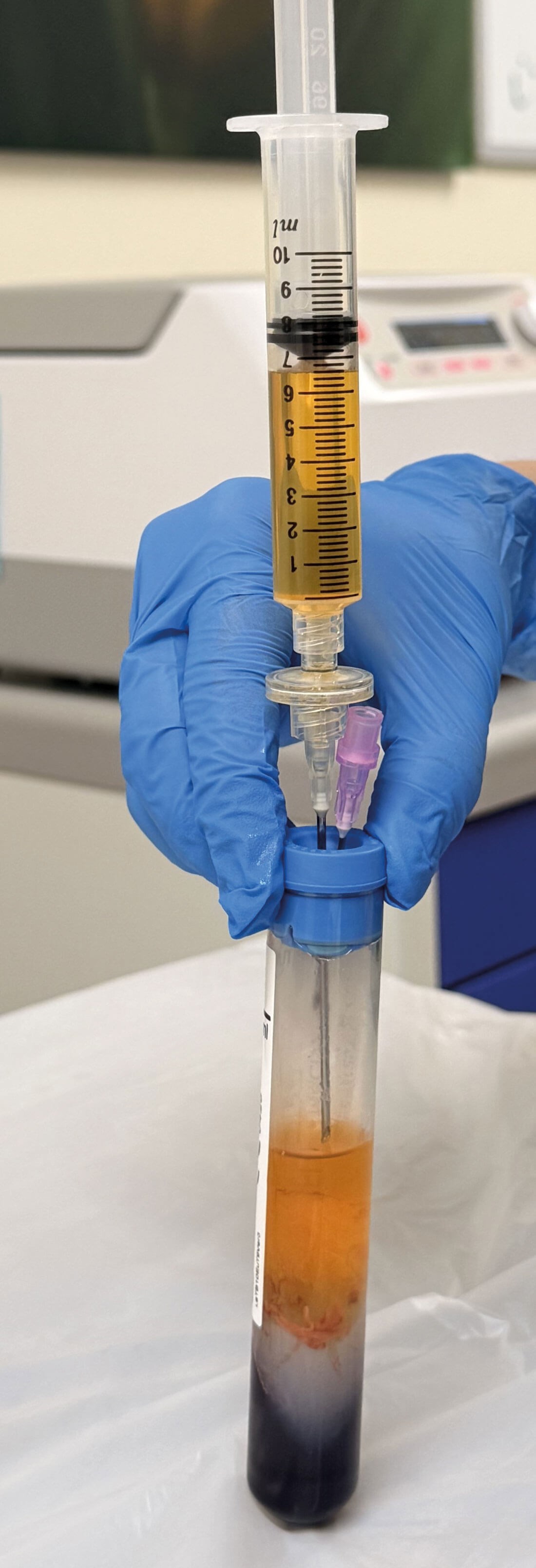
(d) Remove and discard platelet poor plasma (~7 mls).
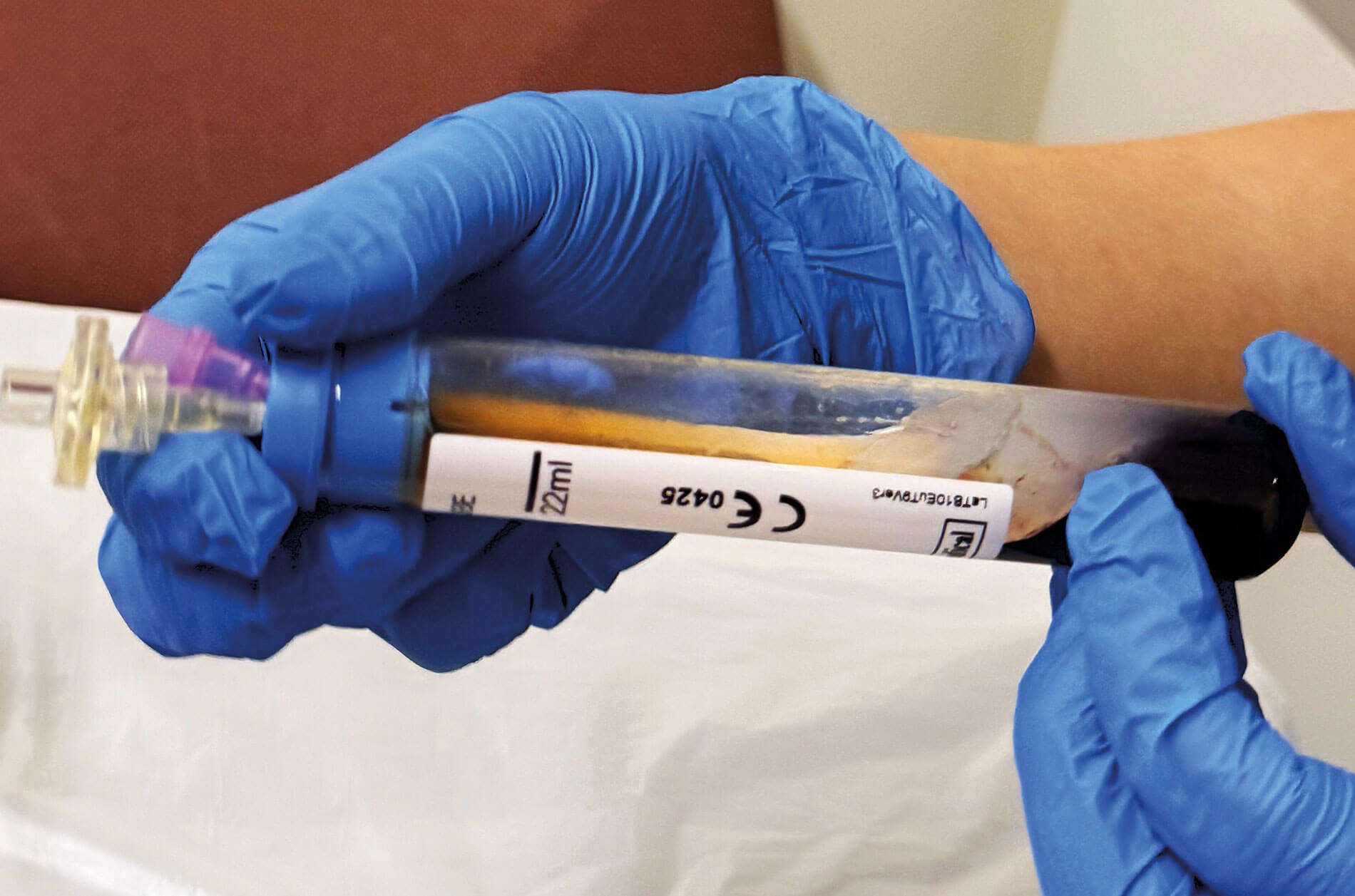
(e) Resuspend platelet and concentrate PRP.
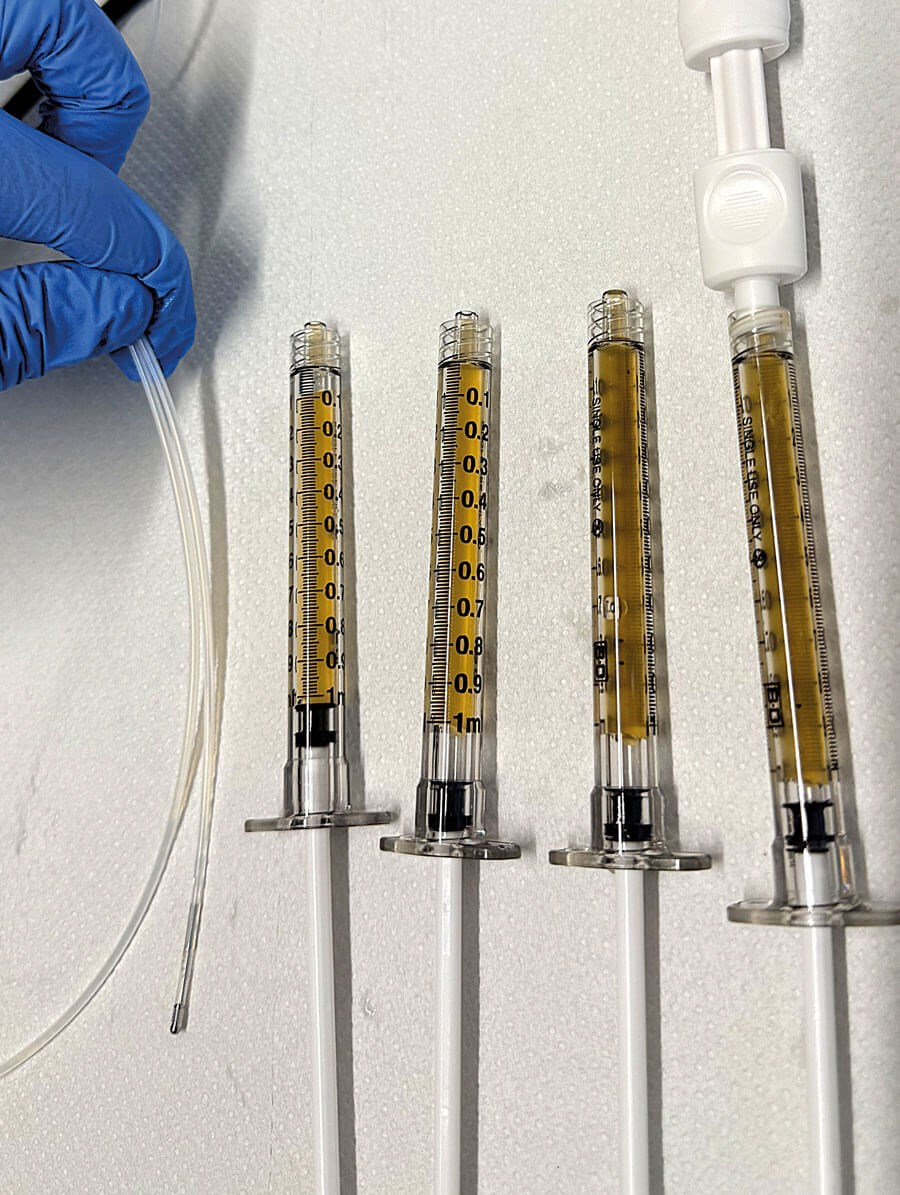
(f) 4x 1 ml Luer-lock syringes containing prepared PRP, ready for injection using an endoscopic needle.
We most frequently use a transnasal approach with an endoscopic injection needle with luer-lock connection (Pentax® STELLA injection needle, 22G; length 120 cm; tip length 5 mm; diameter 1.8 mm; internal volume 1 ml), passed through the working channel of the endoscope. Alternatively, a transthyroid approach can be performed under endoscopic visualisation using a 23G, 60 mm hypodermic needle with two 45° bends. For a transoral approach, a needle with a malleable shaft can be shaped to the laryngopharyngeal anatomy, such as the Soluvos® transoral Neo needle (23G; length 25 cm; internal volume 0.3 ml).
The injection site is determined by the underlying pathology. Although PRP has relatively low viscosity and disperses readily through tissue planes, targeted placement allows regenerative mediators to be delivered directly to the tissue compartment most likely to benefit, with the aim of promoting tissue remodelling or regeneration.
In patients with SLP deficiency, such as vocal fold scar and sulcus vocalis, PRP is deliberately directed into the subepithelial plane at the point of maximal abnormality. This gently elevates the epithelium in a manner similar to hydrodissection performed with conventional agents such as saline or corticosteroid, while delivering PRP directly into the deficient tissue plane.
In vocal fold atrophy and presbyphonia, PRP is not expected to produce a volumising effect in the same way as a filler. Nevertheless, the paraglottic space or thyroarytenoid muscle is preferentially targeted with the aim of promoting tissue regeneration, thereby improving bulk and glottic closure. In addition, a subepithelial injection may be performed where improvement in the mucosal wave is desired.
Figure 3: Bilateral office-based PRP injection using a transnasal endoscopic injection needle.
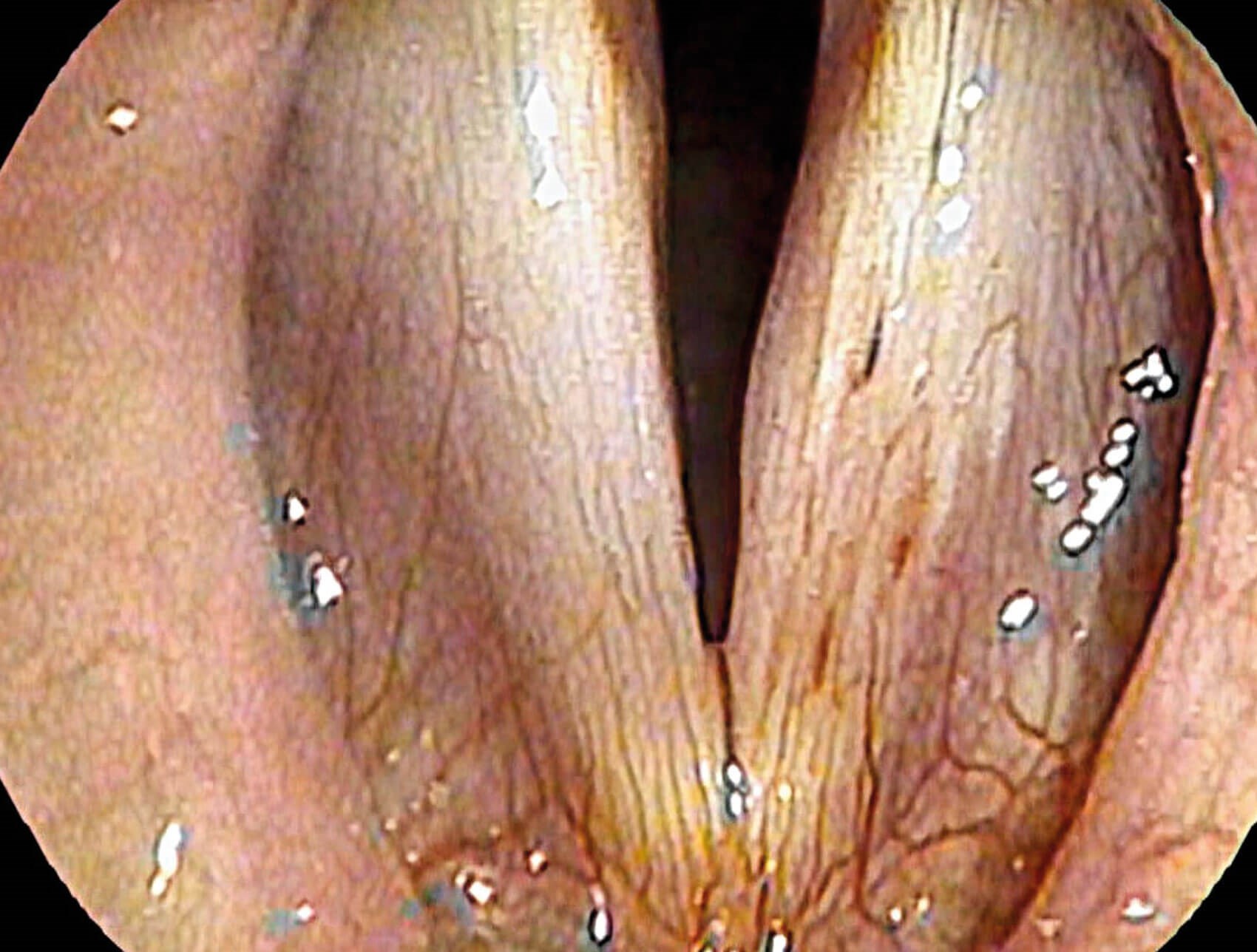
(a) Pre-injection appearance. Left vocal fold scar.
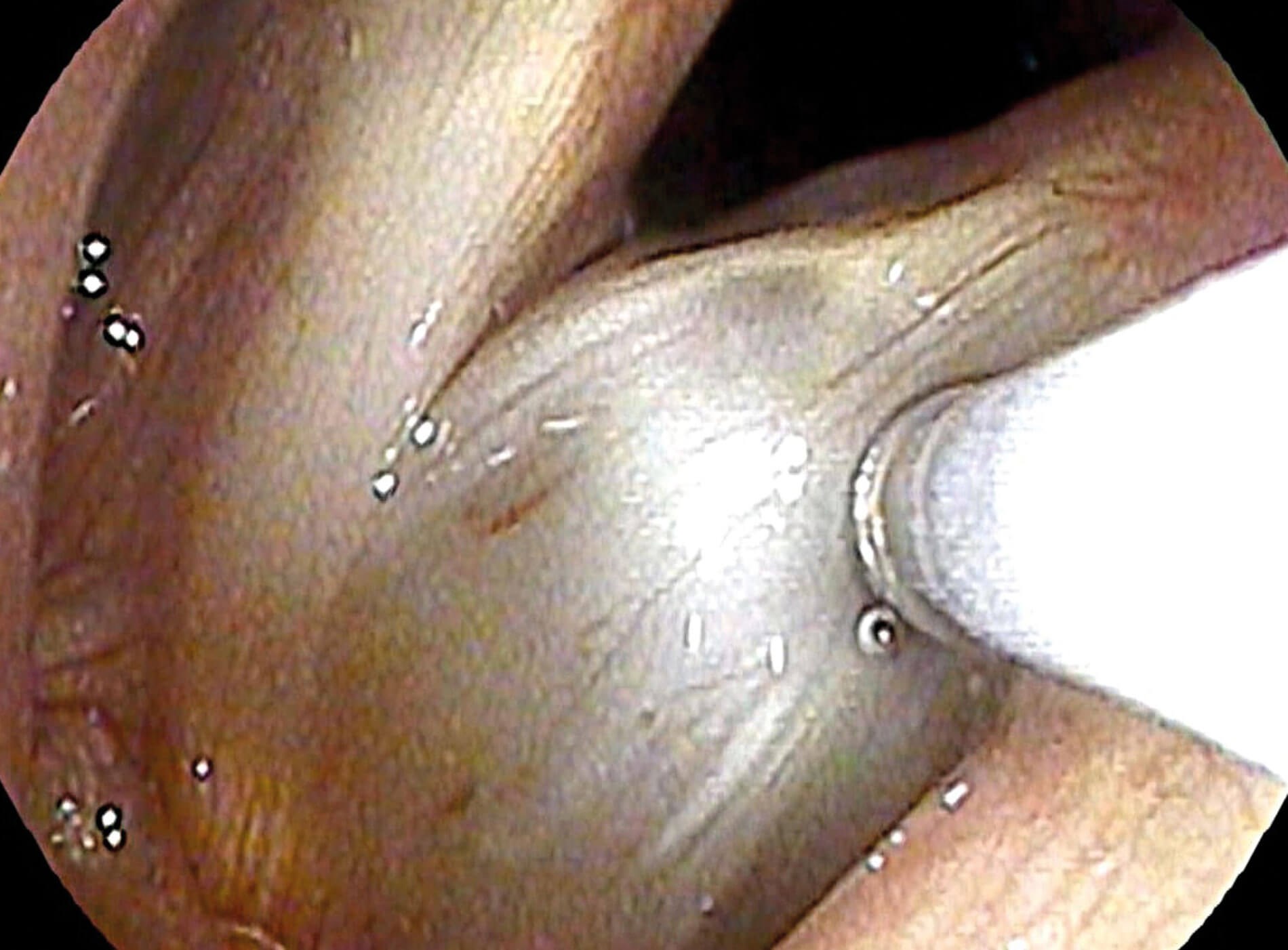
(b) Injection of 2 ml PRP into the left vocal fold (1ml to subepithelial layer for scar elevation, 1ml to paraglottic space).
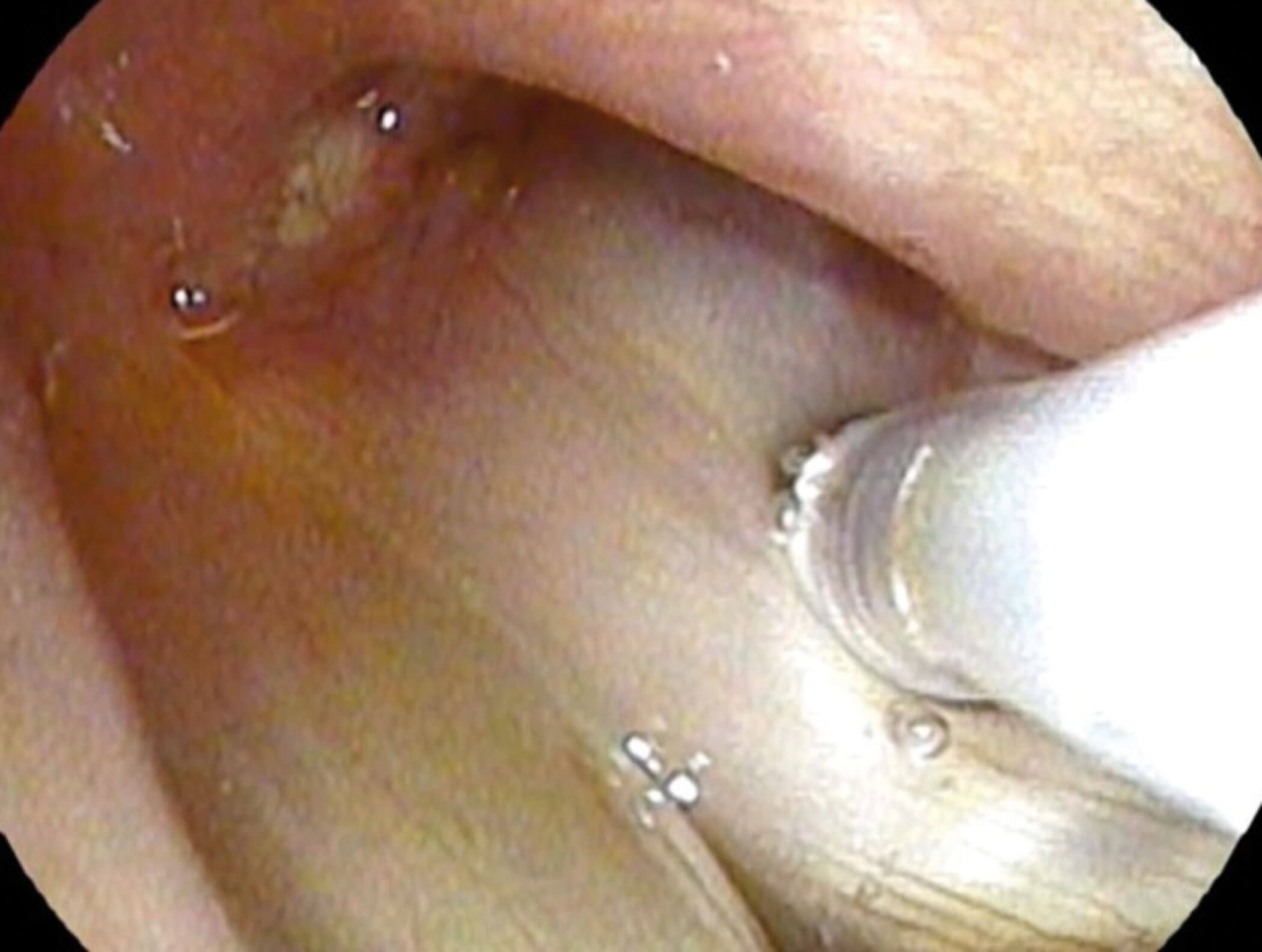
(c) Injection of 2 ml PRP into the right vocal fold (2 ml to paraglottic space), using a 180° rotated endoscopic manoeuvre.
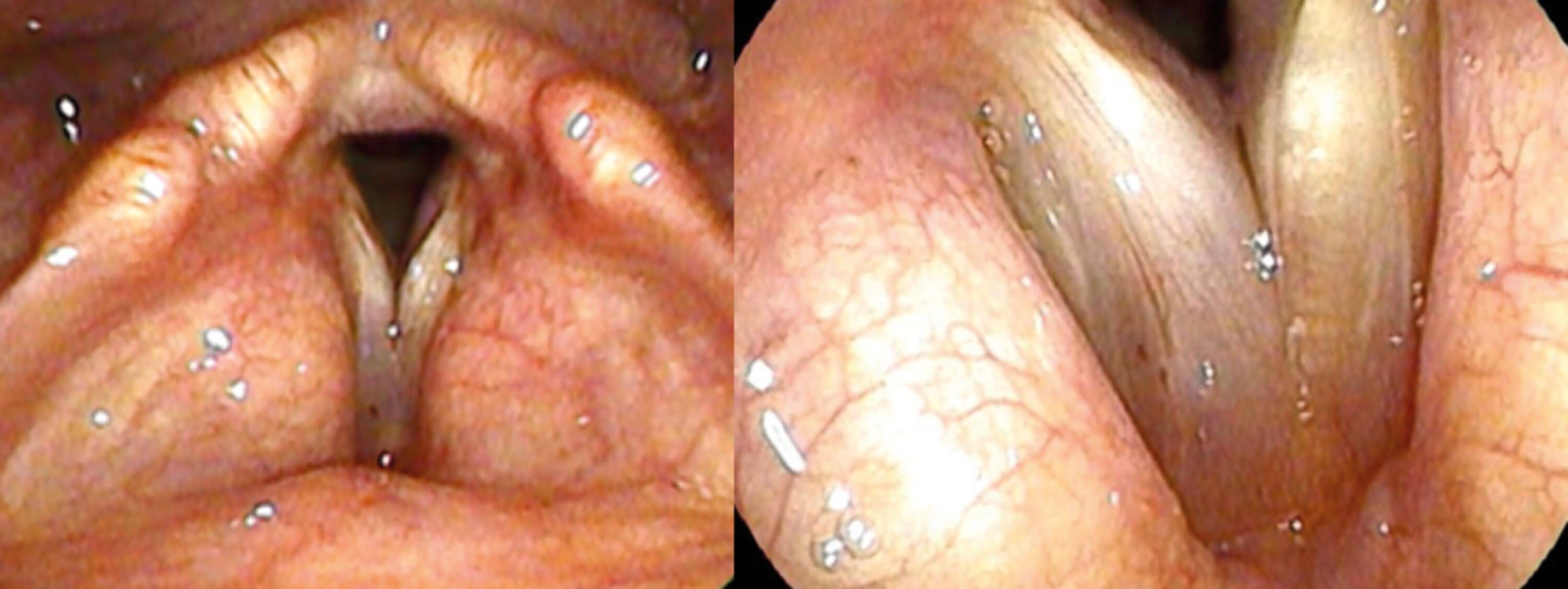
(d) Post-injection appearance.
Up to 2 ml may be injected into each vocal fold. In our practice, injections are routinely bilateral, including when the pathology is predominantly unilateral. The vocal folds are deliberately over-injected, usually until visible fullness with a characteristic yellow discolouration is achieved, or until spontaneous leakage of PRP occurs through the injection site, indicating that maximal local capacity has been reached.
"PRP aims to harness intrinsic reparative mechanisms to promote tissue remodelling and restoration of vocal fold structure and function"
Although airway compromise may be a concern following bilateral over-injection, this has not been encountered in our clinical practice, likely reflecting the low viscosity, ready dispersion and rapid resorption of PRP, together with the minimal risk of reaction to an autologous product. The injected volume can also be tailored during the procedure according to the endoscopic appearance of the vocal folds.
Treatment protocol and aftercare
Following injection, patients are advised to undertake voice rest for 24 hours, extending to 48 hours if throat discomfort persists, before resuming voice use as tolerated. They are routinely discharged on the same day following a short period of observation. Simple analgesia is advised if required. Vocal therapy with a voice specialist speech and language therapist, both before and after the procedure, remains an integral component of our treatment pathway.
It is worth noting that there is currently no standardised treatment protocol for PRP injections, partly reflecting biological variability and individual treatment response [4,5]. Our practice has increasingly adopted an outcome-led approach, with repeat treatment guided by functional improvement, patient-reported outcome measures and videostroboscopic findings. In patients with greater functional impairment, a course of up to three injections at four- to six-week intervals may be required.
Summary
Office-based PRP injection is becoming an increasingly valuable addition to the laryngologists’ repertoire. Its favourable safety profile, ease of preparation and compatibility with awake injection techniques make it particularly suitable for outpatient practice. In our experience, it is a safe and well-tolerated procedure, with further work needed to define long-term outcomes and inform wider standardisation of treatment approaches.
References
1. Saade R, Harb M, Swaidan D, et al. Effectiveness and Safety of Platelet-Rich Plasma Injection for Vocal Fold Scar and Sulcus Vocalis: A Systematic Review and Meta-Analysis. J Voice 2026:S0892–1997(26)00180–3 [ePub ahead of print].
2. Zagzoog FH, Bukhari M, Almohizea MI, Almothahbi AS. Efficacy of platelet-rich plasma (PRP) in benign vocal fold lesions: a systematic review and meta-analysis. Eur Arch Otorhinolaryngol 2024;281(1):13–21.
3. Hey S, Karagama Y. In-office management of subglottic and tracheal stenosis: balloon dilation, laser treatment and steroid injection. ENT & Audiology News 2025;34(4):63–5.
4. Woo P. Platelet-rich plasma in treatment of scar, atrophy, and sulcus: Short- and long-term results. Laryngoscope Investig Otolaryngol 2023;8(5):1304–11.
5. Mackay G, Prigent C, Allen J. Single Platelet Rich Plasma Glottic Injections in Vocal Pathology Demonstrate Long Term Benefits. Laryngoscope 2026;136(2):847–53.
Declaration of competing interests: None declared.