The true impact of mentoring goes beyond what an audiologist learns to do; it shapes how they think, the confidence with which they practise and the clinician they ultimately become.
Knowledge is only the beginning
When one thinks about becoming an audiologist, they may often picture university lectures, competency assessments, clinical placements and, eventually, independent practice. These milestones are important, but they tell only part of the story. Becoming a skilled clinician is not simply about acquiring knowledge or mastering procedures. Becoming a skilled clinician is about learning to communicate compassionately, thinking laterally and making confident decisions, all whilst keeping the patient at the centre of everything we do.
That kind of learning rarely happens in isolation. Speaking from our shared experience, this article is written with the intention of shining the spotlight on the power, influence and career-changing moments that both mentee and mentor can share. We have come to appreciate that mentoring is less about having all the answers and more about creating the conditions in which someone can discover their own. It is about providing a safe space to question, reflect, make mistakes and, ultimately, become the clinician they aspire to be.
The mentor who changed everything
Throughout our careers, most of us can remember someone who positively influenced us. It may not have been the most senior person in the department or the individual with the greatest expertise. More often, it was the person who took the time to ask, “How do you think that appointment went?”, rather than immediately telling us what we should have done differently. Someone who recognised our potential before we fully recognised it ourselves. Those moments matter and stay with us forever.
Growing confidence, not just competence
Clinical competence develops gradually. We learn protocols and procedures, but confidence takes longer to build. We all experience appointments that leave us questioning ourselves. We replay conversations, wonder whether we made the right recommendation, or worry about a patient who presented something unexpected. In those moments, mentoring provides perspective and reflection. It reminds us that uncertainty is not a sign of failure but an inevitable part of becoming an experienced clinician, viewing challenges and uncertainty as opportunities for growth rather than evidence of inadequacy [1].
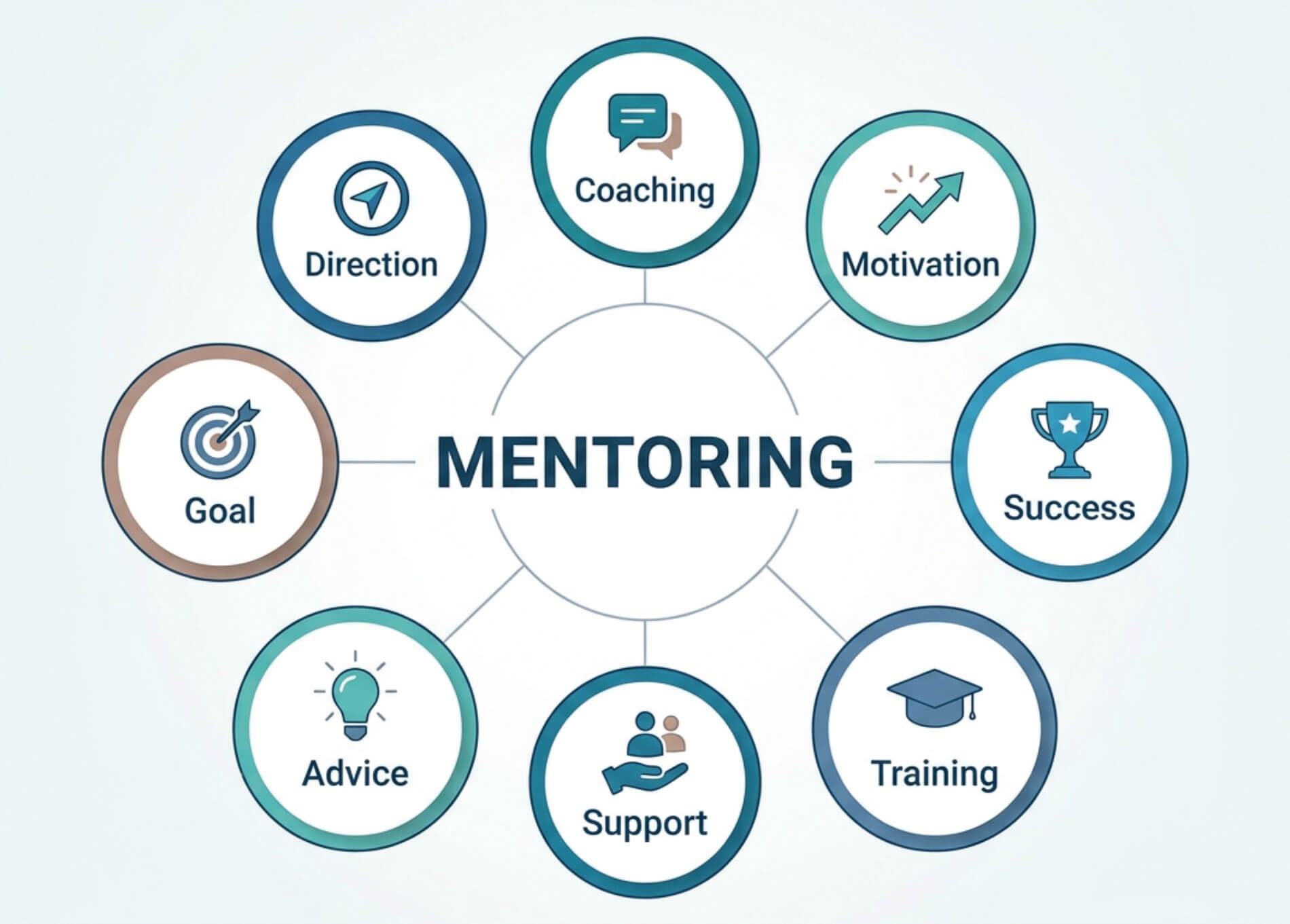
AI generated.
One of the greatest privileges of mentoring is watching that transformation unfold. A clinician who begins by second-guessing every decision gradually starts trusting their judgement. Someone who once felt anxious before complex appointments begins leading them with calm professionalism. Clinical expertise develops progressively through experience and reflective practice rather than knowledge acquisition alone [2]. These changes are rarely dramatic; they happen through countless conversations, reflective discussions and gentle encouragement over weeks, months and sometimes years.
Asking better questions
Mentoring is not about creating clinicians who are carbon copies of ourselves. On the contrary, good mentoring encourages individuality. Every audiologist develops their own communication style, clinical reasoning and professional identity. Our role as mentors is not to shape people into our image but to help them become the very best version of themselves. That often means asking more questions than giving answers. ‘What are you noticing? What options are you considering? What would you do differently next time?’ Reflection is one of the most powerful learning tools available to us. It moves learning beyond simply completing a competency checklist [3]. It encourages clinicians to understand why they made a decision, how they reached a conclusion and what they might adapt in future practice.
Mentoring is not reserved for newly qualified clinicians. Healthcare evolves continuously. New evidence emerges, technology advances and patient expectations change. At every stage of our careers, there is value in having someone who can challenge our thinking, celebrate our successes and encourage us to keep learning and applying new knowledge. Experienced clinicians benefit from mentoring just as much as those taking their first independent clinics.
Creating space to learn
Equally, mentoring is rarely a one-way relationship. Every mentee brings fresh perspectives, different experiences and thoughtful questions that make us reconsider our own practice. Some of the most valuable professional conversations we have had have been with clinicians who were newer to the profession than us. Their curiosity reminded us not to become complacent and reinforced that learning is truly lifelong.
Perhaps one of the most important aspects of mentoring is psychological safety. Clinical practice can feel exposing. We work with people at vulnerable moments in their lives. We make decisions that affect their communication, quality of life and wellbeing. No clinician gets everything right every time, yet admitting uncertainty can feel uncomfortable.

The Hearing Care Partnership and Leightons Team, BAA 2025.
Effective mentoring creates an environment where uncertainty can be discussed without judgement [4], an environment characterised by psychological safety, where people feel able to speak openly, ask questions and admit uncertainty without fear of embarrassment. It allows people to say, ‘I’m not sure’, or ‘I found that difficult’, knowing they will be met with support rather than criticism. Ironically, these conversations often produce the greatest learning because they allow reflection before habits become fixed.

Amanda and Beth in 2026.
More than supervision
There is also an important distinction between supervision and mentoring. Supervision ensures standards are met, competencies are achieved and patients remain safe. Mentoring goes beyond performance. It focuses on the person behind the clinician and their evolving mindset. It asks not only, ‘can you do this?’ but also, ‘how are you developing? What kind of clinician do you want to become?’ Those questions stay relevant throughout an entire career and inspire us to influence others who are learning.
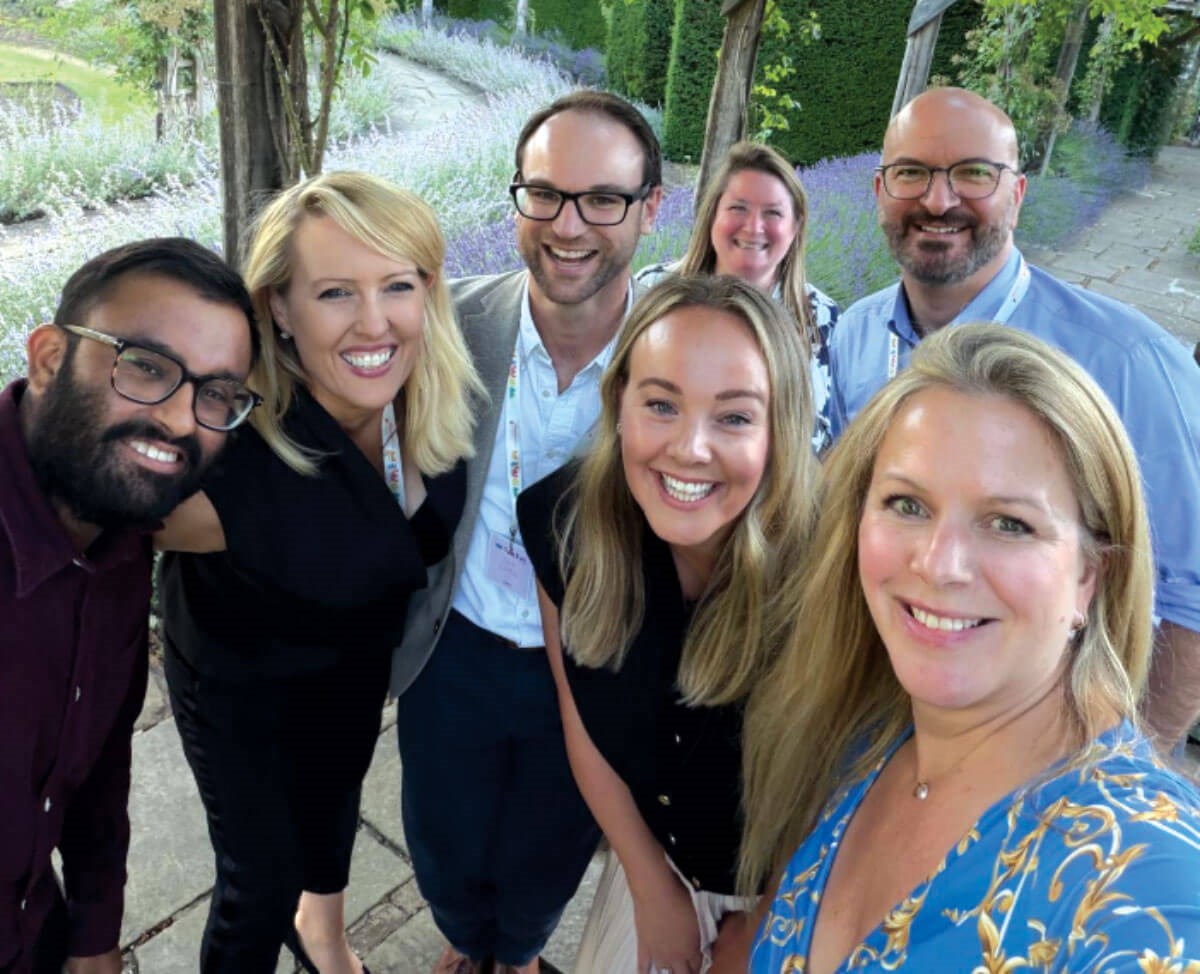
Team event in 2026.
The conversations patients never see
As healthcare becomes increasingly busy, protected time for reflection can feel like a luxury. Clinics are full, waiting lists are long, and administrative demands continue to grow. Yet mentoring should never be viewed as time taken away from patient care. It is an investment in the standards of care, the service we offer and the experience of the patient.
Confident, reflective clinicians make better decisions. They communicate more effectively, adapt to complexity and continue developing long after formal training ends. Patients may never know that a thoughtful mentoring conversation took place after clinic, but they will benefit from the improved care that follows.
Looking back over our own careers, we recognise that every stage of our development has been shaped by people who listened, encouraged and challenged us. Their influence extended far beyond teaching clinical skills. They helped build confidence, resilience and professional identity, and created the platform for us to transition from mentee to mentor.
The legacy of belief
If there is one lesson we have learned, mentoring is ultimately about belief. Sometimes, before clinicians believe in themselves, they need someone else to believe in them first. A well-timed conversation, thoughtful feedback or simple expression of confidence can alter the trajectory of someone’s career, or their passion for audiology, in ways neither mentor nor mentee fully appreciates at the time.
We often measure success in audiology through outcomes, technology or clinical expertise. These are undoubtedly important but perhaps one of our greatest contributions to the profession is helping the next generation of clinicians discover not only what they know, but who they can become. Knowledge can be taught. Skills can be practised. Confidence, curiosity and professional identity are nurtured through relationships. That is the lasting value of mentoring, and it is why it remains one of the most rewarding parts of our professional lives.
As you read this article, perhaps somebody that helped shape you and your career springs to mind? This is then your moment of self-reflection to go on and inspire others.
References
1. Dweck C. Mindset: The New Psychology of Success. USA; Random House; 2006.
2. Benner P. From novice to expert, excellence and power in clinical nursing practice. California, USA; Addison-Wesley; 1984.
3. Schön DA. The Reflective Practitioner: How Professionals Think in Action. New York, USA; Basic Books; 1983.
4. Edmondson AC. The Fearless Organization: Creating Psychological Safety in the Workplace for Learning, Innovation, and Growth. Wiley; 2019.
Declaration of competing interests: None declared.