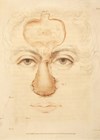
Historical accounts of nasal amputation as criminal punishment in India and Italy are well known to those familiar with the origins of nasal reconstructive surgery. The undisguisable and socially stigmatising nature of this punishment led Sushruta in 600 BC and the Italians in the 1400s to document techniques using flaps, the principles of which have been carried through to the present day.
However, the practice of nasal amputation spans far more centuries and civilisations than these two points in time and place. Nasal amputation is documented by the ancient Egyptians and Babylonians, pre-Columbian Americans, Romans, Greeks and Byzantines. It has also been listed as a regular punishment in several dynasties of Ancient China; this has recently been validated by archaeological findings.
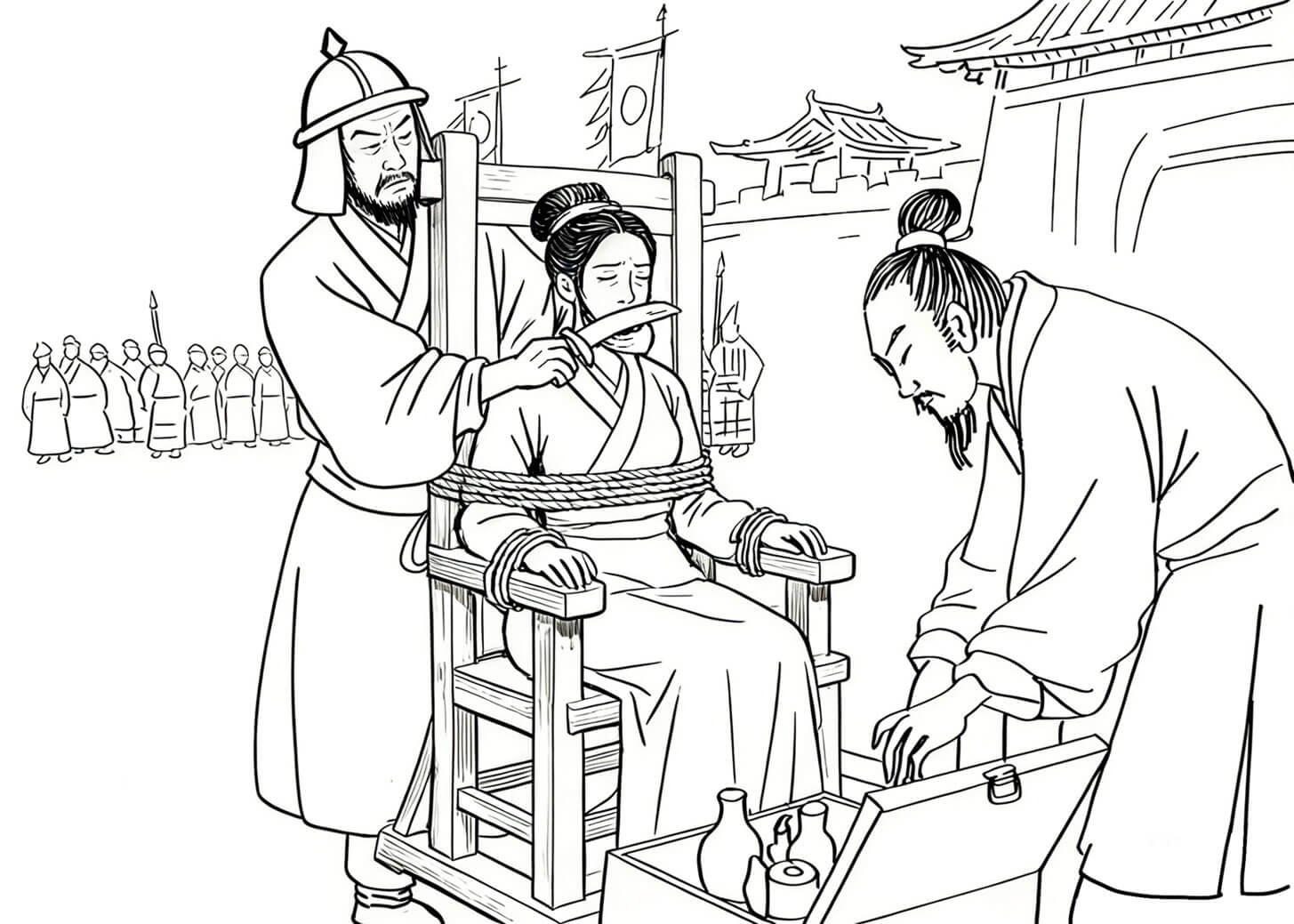
Image credit: Dr Qian Wang, Texas A&M University College of Dentistry.
Zhou, Zhang, Yan and Wang have published their case, ‘First skeletal evidence of facial mutilation as a form of punishment from ancient China’ [1]. They detail a female skeleton, aged around 40, found in a cemetery in Henan Province. She likely lived in the years spanning the end of the Yuan and the beginning of the Ming Dynasties (1271–1368 and 1368–1644 AD respectively). The most common reason for nasal amputation during this period was stealing livestock.
Inspection of the skull revealed a widened piriform aperture with signs of healing, indicating that she survived the incident; given the likely haemorrhage and infection risk, she was probably cared for by someone. Patterns of bony remodelling suggest she may have even attempted to conceal it with a prosthesis.
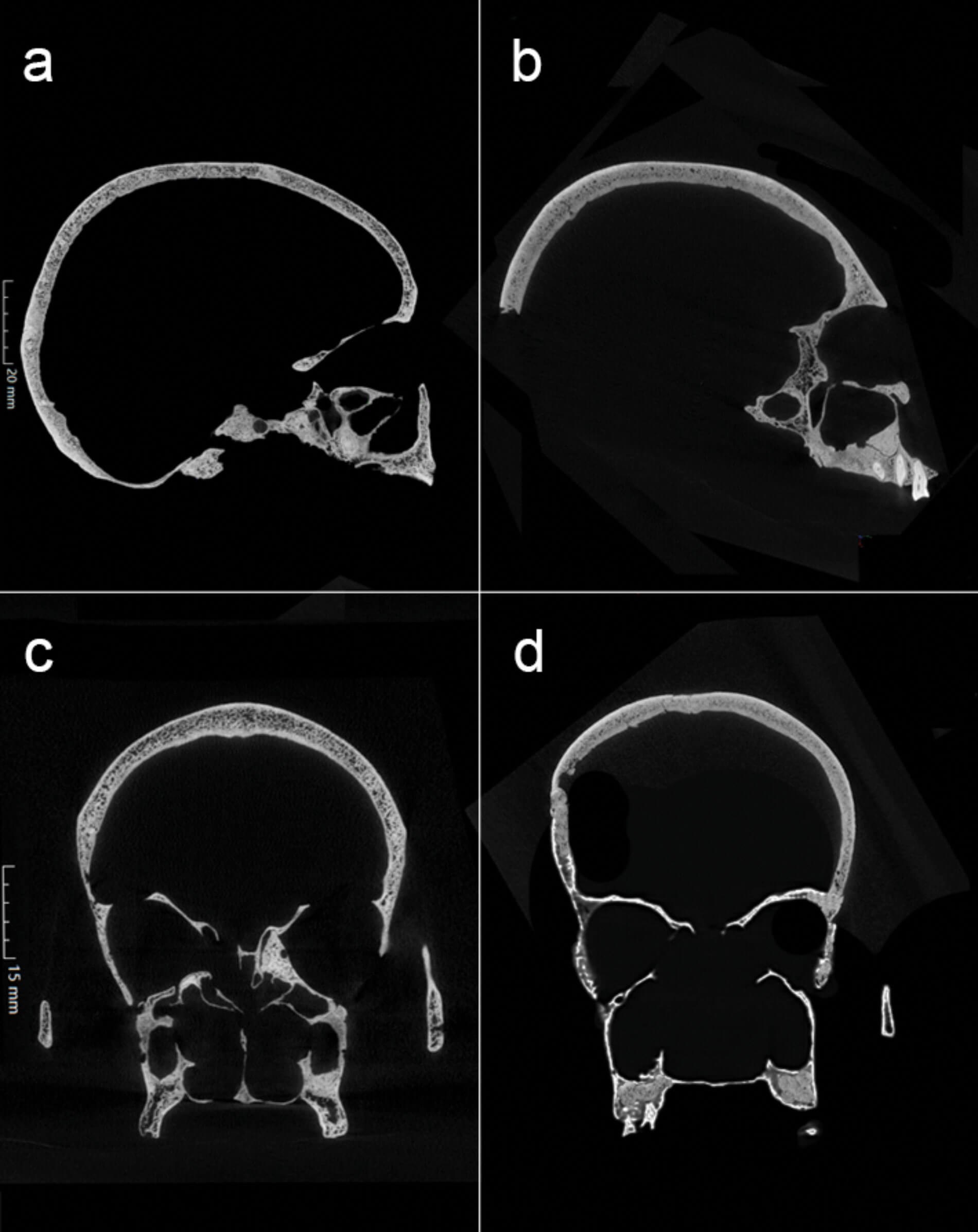
Image credit: Dr Qian Wang, Texas A&M University College of Dentistry.
However, the fact that she was buried prone and in isolation (unlike the other 212 sets of remains found at the site) hints that the stigma of disfigurement extended posthumously. Although rhinectomies are rare in the 21st century and are usually confined to cancer surgery or severe trauma, there are exceptions. In 2010, Time Magazine featured Bibi Aisha on their cover, following her nasal amputation at the hands of the Taliban [2]. Although Aisha’s mutilation was equally confronting as the Henan woman’s must have been, the worldwide outcry framed her not as an immoral outcast, but rather as a victim and survivor*.
Whilst it is unlikely that we will ever know the full story of how this ancient woman came to rest in the state she was found, the discovery of her remains brings an undoubtedly human element and important context to historical documents.
*It should be noted that the editorial decision to publish this image and its accompanying story could be argued to have significant political implications.
References
1. Zhou Y, Zhang C, Yan F, Wang Q. First skeletal evidence of facial mutilation as a form of punishment from ancient China (1298–1404 CE): A unique archaeological case of nasal amputation in Yuan-Ming Dynasties. J Archaeol Sci Rep 2026;75:106031.
2. The Plight of Afghan Women: A Disturbing Picture. Time 2010.