
You searched for "cortical"
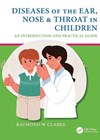
Diseases of the Ear, Nose & Throat in Children: An Introduction and Practical Guide
The name Professor Ray Clarke is well known and well regarded around the paediatric ENT world. With this helpful book, Prof Clarke creates the perfect knowledge base to make paediatric ENT more accessible to those working in general ENT and...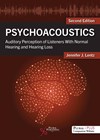
Psychoacoustics: Auditory Perception of Listeners with Normal Hearing and Hearing Loss - Second Edition
Dr Lentz’s Psychoacoustics: Auditory Perception of Listeners with Normal Hearing and Hearing Loss, Second Edition is a 287-page introduction to the eponymous field that fills some (like myself) with great interest, though I have recognised the soporific effect of even...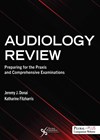
Audiology Review: Preparing for the Praxis and Comprehensive Examinations
This book is a well-structured and thoughtfully compiled resource aimed at students preparing for audiology examinations. While primarily tailored to the Praxis exam in the United States, its content remains broadly applicable to an international audience, including students in the...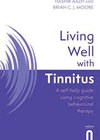
Living Well with Tinnitus: A self-help guide using cognitive behavioural therapy
Living Well With Tinnitus is part of the Overcoming / Living Well series of self-help books, aimed at directly addressing the population afflicted with the titular condition. It runs at 335 pages in paperback format and, at its core, guides...
Which patients are more likely to have postoperative pulmonary complications after major head and neck?
Postoperative pulmonary complications (PPC) following major head and neck surgery are frequently encountered. Indeed, surgery in the head and neck area itself has been identified as a risk factor for these complications. Microvascular reconstruction is a widely accepted and proven...
It’s not just about academic education for teenagers with TBI
Research has shown that many traumatic brain injuries are sustained before the age of 25. This article aims to examine the need for speech and language support for students with traumatic brain injury (TBI) beyond the issues a student may...
Live versus e-learning – which is the most effective communication training approach for health care staff?
If staff are unable to communicate with their patients this can impact negatively on the patient’s healthcare. They may be excluded from decisions about their own care and their rights to informed consent may be violated. Conversation partner training has...
Concussion and vestibular processing deficits
It is well known that patients with mild traumatic brain injury (mTBI), also referred to as concussion, display longstanding vestibular symptoms but often clinical signs and objective vestibular function test abnormalities are lacking. The aim of the study was to...
Less pain more gain: impact of prophylactic gabapentin on swallowing outcomes in head and neck cancer patients undergoing radiation treatment
Patients planned for chemoradiation to the head and neck are usually advised to expect some pain and soreness during their treatment and that pain relief will be offered as and when it is required. Uncontrolled pain and mucositis affect oral...
Nasal nitric oxide – an inflammatory marker in paediatric allergic rhinitis?
Nasal nitric oxide (nNO) is mainly produced in the paranasal sinus mucosa and was shown in some studies to have increased expression in allergic rhinitis (AR). Although it represents a potential non-invasive tool for AR measurement, there remains no consensus...
Long-term swallowing function in bilateral vocal cord immobility
Vocal cord immobility is the second most common abnormality of the larynx in the paediatric population. The team from New York aimed to characterise the long-term swallowing function in a cohort of patients with bilateral vocal cord immobility over a...


