
Ahead of the 19th Annual ENT Nurses Masterclass®, taking place on 21 August 2026 in Doncaster, ENT & Audiology News speaks with Sister Lucy Brooks, Head and Neck Clinical Nurse Specialist, who this year joins Professor Shahed Quraishi in helping deliver the UK’s only dedicated educational meeting for ENT nurses. We spoke to Lucy about the importance of specialist nursing education, how the profession has evolved, and the future of ENT nursing in the UK.
You are involved this year in organising the ENT Nurses Masterclass – the UK’s only dedicated meeting specifically for ENT nurses. Now in its 19th year, what makes this meeting such an important event for nurses working within ENT?
Yes, we are making plans already for our ENT Nursing Masterclass 2026. Our national course is designed specifically for ENT nurses. Within ENT, roles continue to develop. We now have two advanced nurse practitioners within our clinic who successfully completed their master’s degree. We are also very proud of our Band 4 aural care nurse who runs her own specialist clinic. The head and neck cancer team continues to improve their service, with faster diagnostic clinic, holistic needs assessment and nurse-led clinics. Our Masterclass acts as a professional anchor point for the whole specialty, where we can share our practice and learning with each other. This strengthens our professional identity, which is essential for retention and role development.
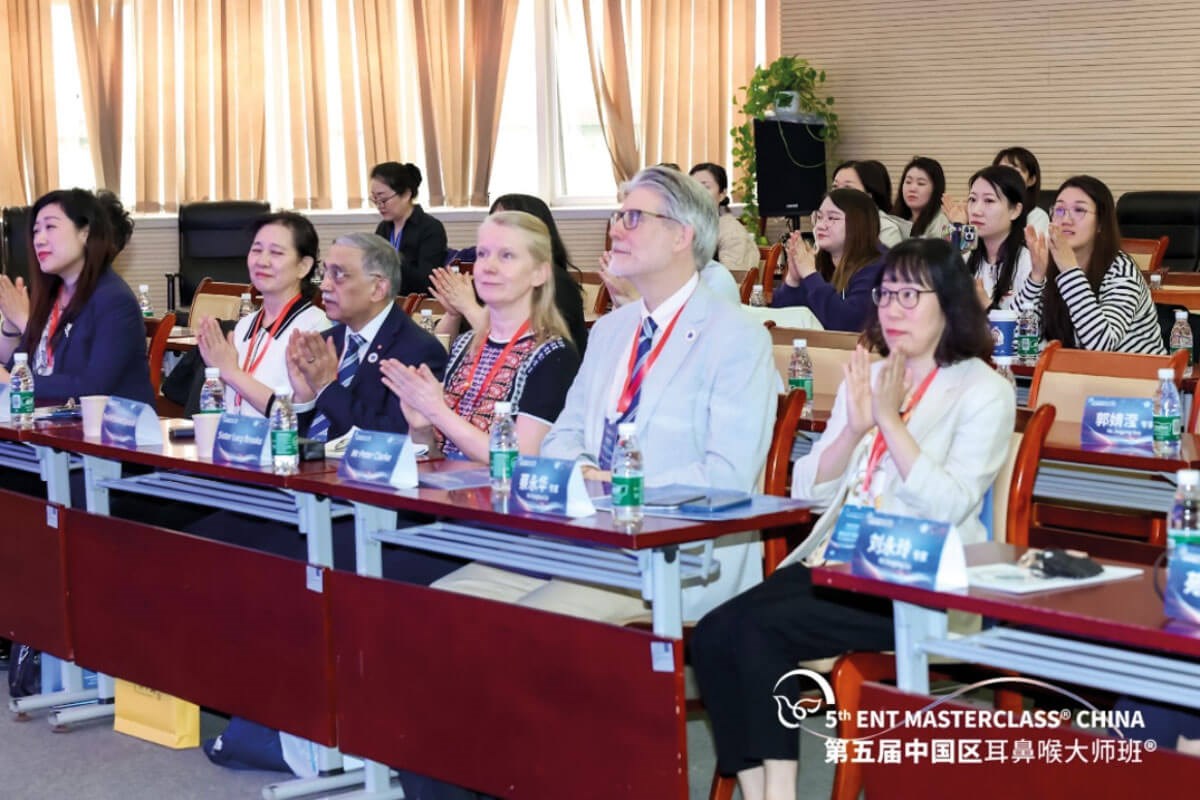
ENT Nursing Masterclass® – Beijing, China, 2024.
The Masterclass certainly showcases the expanding scope of ENT nursing within clinic, cancer services, operating department and ward areas. We are very proud of all our speakers who do this in their own time, which shows their commitment to ENT and our patients.
Can you tell us a little about your journey into ENT nursing? What first drew you to the specialty, and what has kept you there?
I was a student nurse on a very busy head and neck surgical ward back in 2004. I remember working with a team of very special people – it honestly felt just like one big family. Everyone was happy and committed to their work. I always thought that ENT was special: caring for patients after life-changing surgery and understanding the intricate anatomy of three areas – the ear, nose and throat.
Times have certainly changed since then as services have developed. What has not changed, though, are the dedicated staff. We might have a few more grey hairs and lines on our faces, but we are still a strong team and welcome new staff and diversity. I think you just know when something feels right, and I still look forward to the challenges that every day brings. You never stop learning and reflecting.
In 2024, you were awarded the ENT Masterclass Travelling Scholarship and travelled to Beijing to present at the ENT Nursing Masterclass in China. What was that experience like, and what did it teach you about ENT nursing on an international level?
I just couldn’t say no to this amazing opportunity. The welcome I received as soon as I walked out of the airport was incredible. I was greeted by smiling faces waving banners at me, and it made me feel very special. I was treated like royalty, honestly. I have never met such kind, caring people. I was served beautiful food and got to see the Great Wall, The Kingdom of Heaven, The Forbidden City and Tiananmen Square.
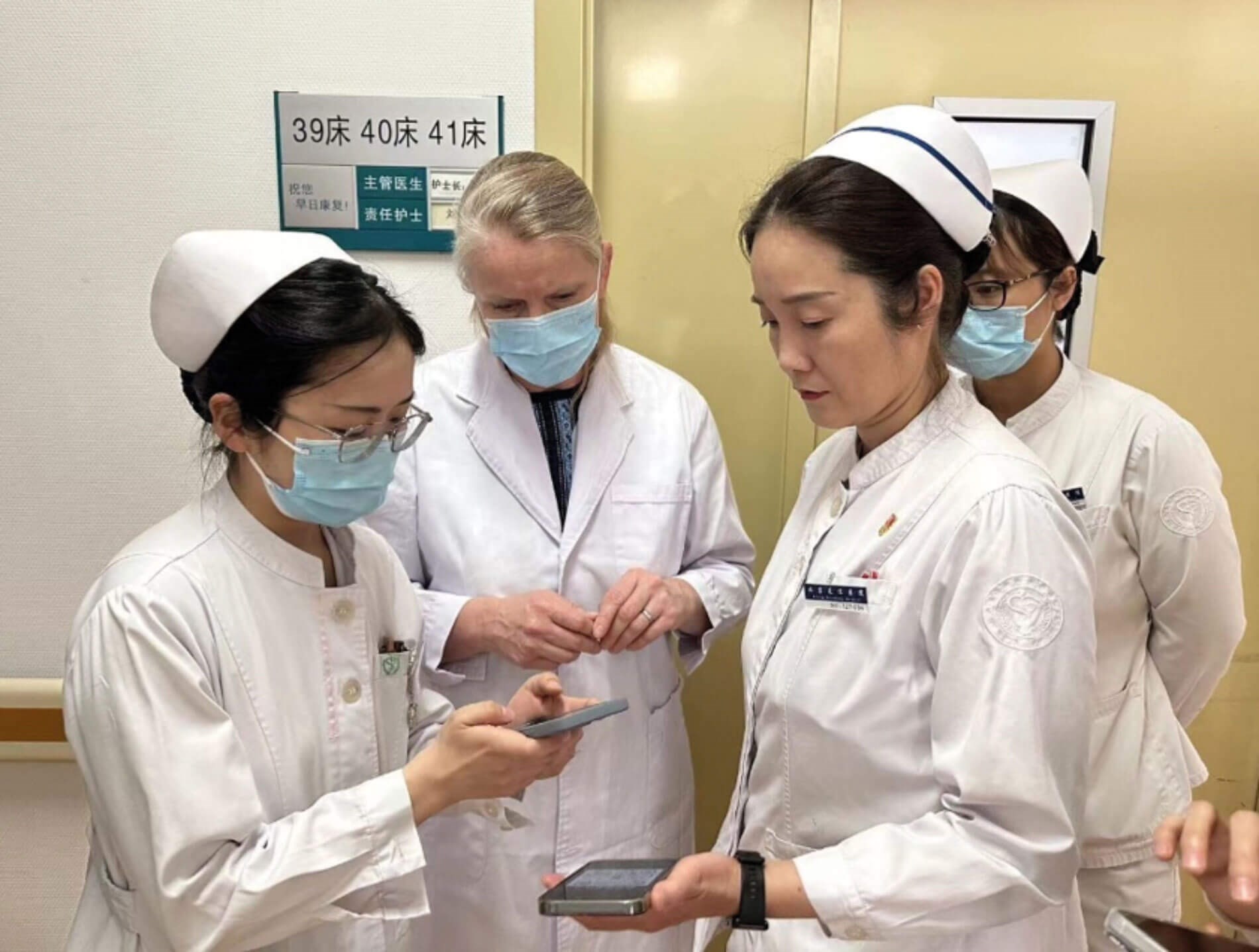
Ward round, The Friendship Hospital – Beijing, China.

Afternoon tea ceremony – Beijing, China.
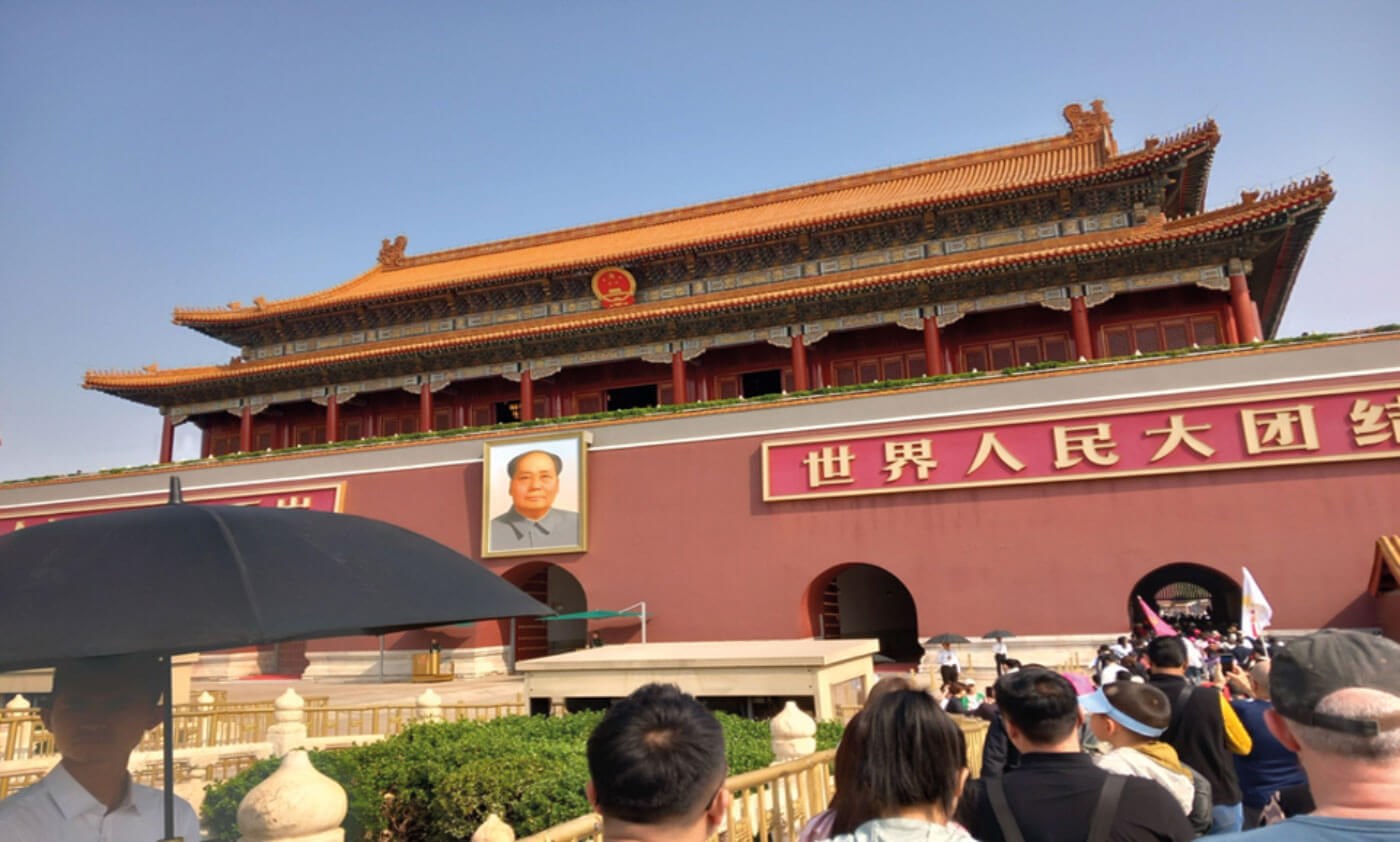
Mao Zedong Memorial Hall – Tiananmen Square, Beijing, China.
I was fortunate enough to visit the Friendship Hospital in Beijing and meet the nursing staff on the ENT ward. They were smartly dressed in white with starched hats. There was certainly discipline, probably a bit like our wards used to be. I saw many patients affected by head and neck cancer, and some had travelled far and had to sell their homes to be able to fund their care. Once they were ‘fixed’, they were discharged. There was no surveillance like we have in the UK. It made me think how fortunate we still are to have our NHS.
Some things were similar, like their care plans and drug rounds. Surgical practice was also similar, yet more advanced in some areas.

The Great Wall of China.

Downtown Beijing, China.

Dong Fang Hotel – Beijing, China.
ENT nursing has evolved significantly in recent years, with nurse-led clinics, advanced practice roles and increasingly complex patient pathways. From your perspective, what have been the biggest changes in day-to-day practice compared with when you first entered the specialty?
When I first started, nursing roles were more task-based. Now ENT nurses are expected to run nurse-led clinics, undertake tracheostomy reviews, perform postoperative checks and provide cancer follow-up. Nurses also carry out more diagnostic assessments, undertake flexible nasendoscopy, independently manage symptoms and prescribe medications, and lead on service improvement and pathway redesign. We work more closely with speech and language therapists (SLTs), dietitians, oncologists and community teams, making the service increasingly multidisciplinary.
There is also ongoing digital transformation, dare I say it, including electronic patient records and digital dictation. There is a greater focus on safety, governance and evidence compared with earlier years. We now have structured audit processes, quality improvement teams, national pathways and GIRFT (Getting It Right First Time).
ENT nursing can sometimes be overlooked compared with larger nursing specialties. What makes it such a rewarding area of practice, and why should more nurses consider specialising in this field?
ENT nursing gives you the opportunity to specialise in your chosen field, whether in aural care, head and neck cancer, facial plastics, tracheostomy care or airway management. ENT problems can affect breathing, swallowing, hearing and speech, and ENT nurses see the direct impact of their interventions. This might be stopping a nosebleed, clearing a tracheostomy tube when a patient is struggling to breathe, supporting someone to swallow safely, helping a patient to communicate, or being with someone when they are dying or receiving a cancer diagnosis. ENT nursing is a real privilege, and it allows us to develop highly trusting relationships with our patients.
Looking ahead, what do you think are the biggest opportunities and challenges facing ENT nursing in the UK over the next decade, and what would you like to see happen to continue strengthening the specialty?
There are growing numbers of older, frailer patients with complex needs. There can be higher acuity in both outpatient and ward settings, often without matched staffing. This can limit time for education and clinical supervision. In addition, experienced staff with specialist expertise may retire, which can impact continuity and the sense of security within a department.
Looking ahead, nurse-led clinics are expanding, with ENT nurses becoming key players in two-week-wait (2WW) triage, survivorship and symptom management across many hospitals. Virtual clinics, remote monitoring and AI-supported systems also bring new opportunities. In addition, improved data collection is strengthening quality improvement, audit and service redesign.
However, times can be tough, and it is important that we look after our own health and wellbeing. We also need to support one another within ENT departments. Strong teamwork helps retain staff, which in turn supports continuity of care for patients.
Finally, what continues to inspire you personally in your work as an ENT nurse, and what advice would you give to the next generation considering a career in the specialty?
It’s the people I meet – our patients – particularly working within head and neck cancer. You can learn so much from every patient. We can make a real difference when someone is feeling vulnerable. Our patients trust us and will remember the little things we do for them.
It is also the staff I work with and the characters within our team. We spend a lot of time at work, and it is important to remember that patients and their families need to have faith in us, despite media negativity, financial pressures and performance targets. Every patient has thoughts and feelings, and they should never be seen as just a number.
My advice? Try it. You might just like it.
Declaration of competing interests: None declared.





