Environmental resource depletion is no longer a distant threat; it is a current health emergency. Sustainable hearing services are kind to both people and the planet.
In January 2026, the International Society of Audiology hosted a webinar bringing together those passionate about the intersection of hearing healthcare and environmental sustainability (Figure 1).
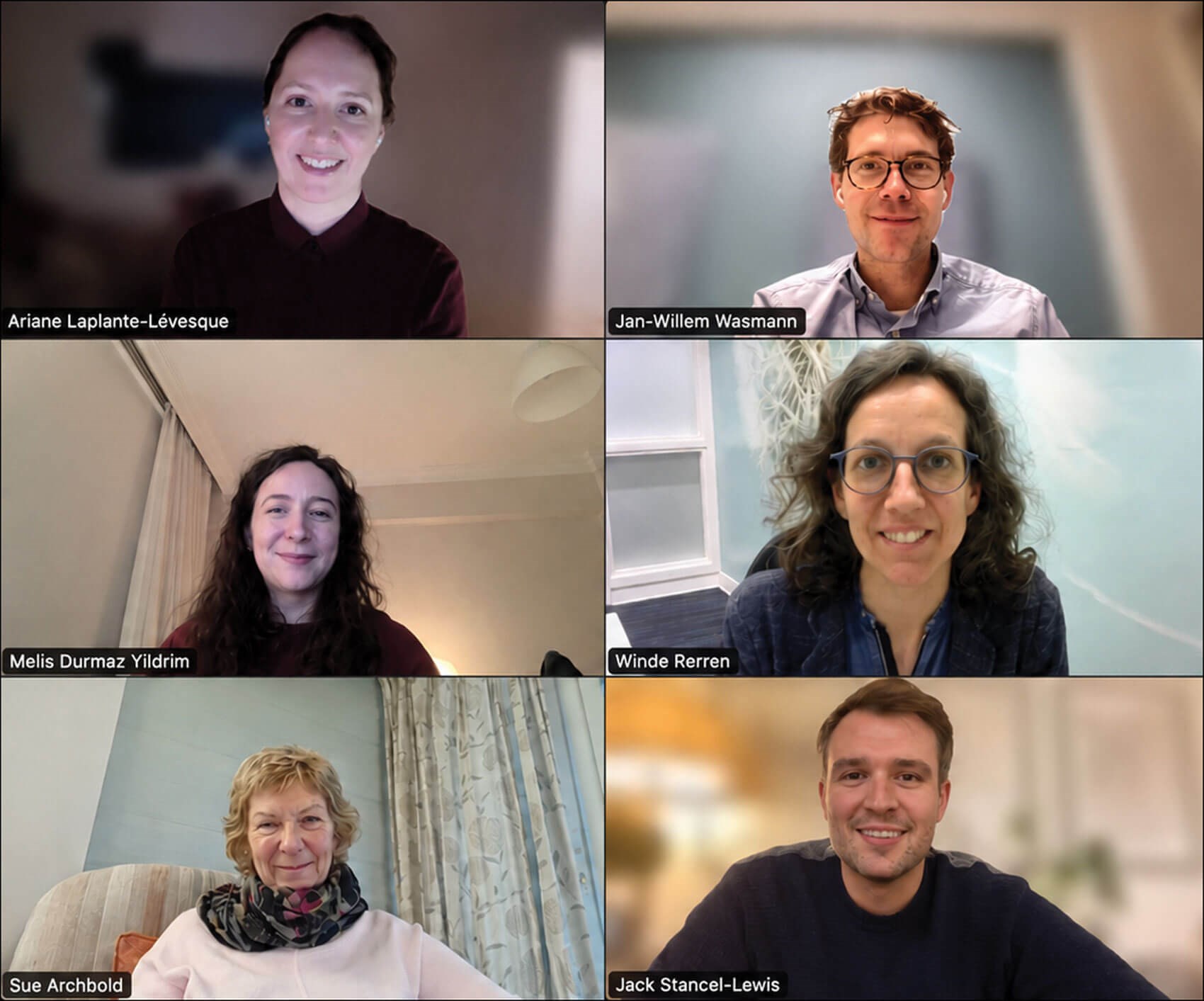
Figure 1: Presenters in the webinar ‘Green Audiology: Sustainable Care for Patients and the Planet’ hosted by the International Society of Audiology in January 2026.
The webinar was rooted in a recognition that human health is intrinsically linked to the health of the Earth’s natural systems. For audiologists and ENTs, ‘going green’ means ensuring high-quality, lifelong care that minimises impact on the planet.
The paradox of healthcare
Planetary health recognises that we cannot have healthy people on a sick planet. Ironically, the healthcare sector is a major contributor to climate change, accounting for a significant share of global emissions of greenhouse gases and particulate matter as well as other environmental stressors [1]. This creates a dangerous feedback loop where resource-heavy healthcare practices contribute to environmental degradation, which in turn drives up the demand for more healthcare services as climate-related health conditions, both physical and mental, rise (Figure 2).
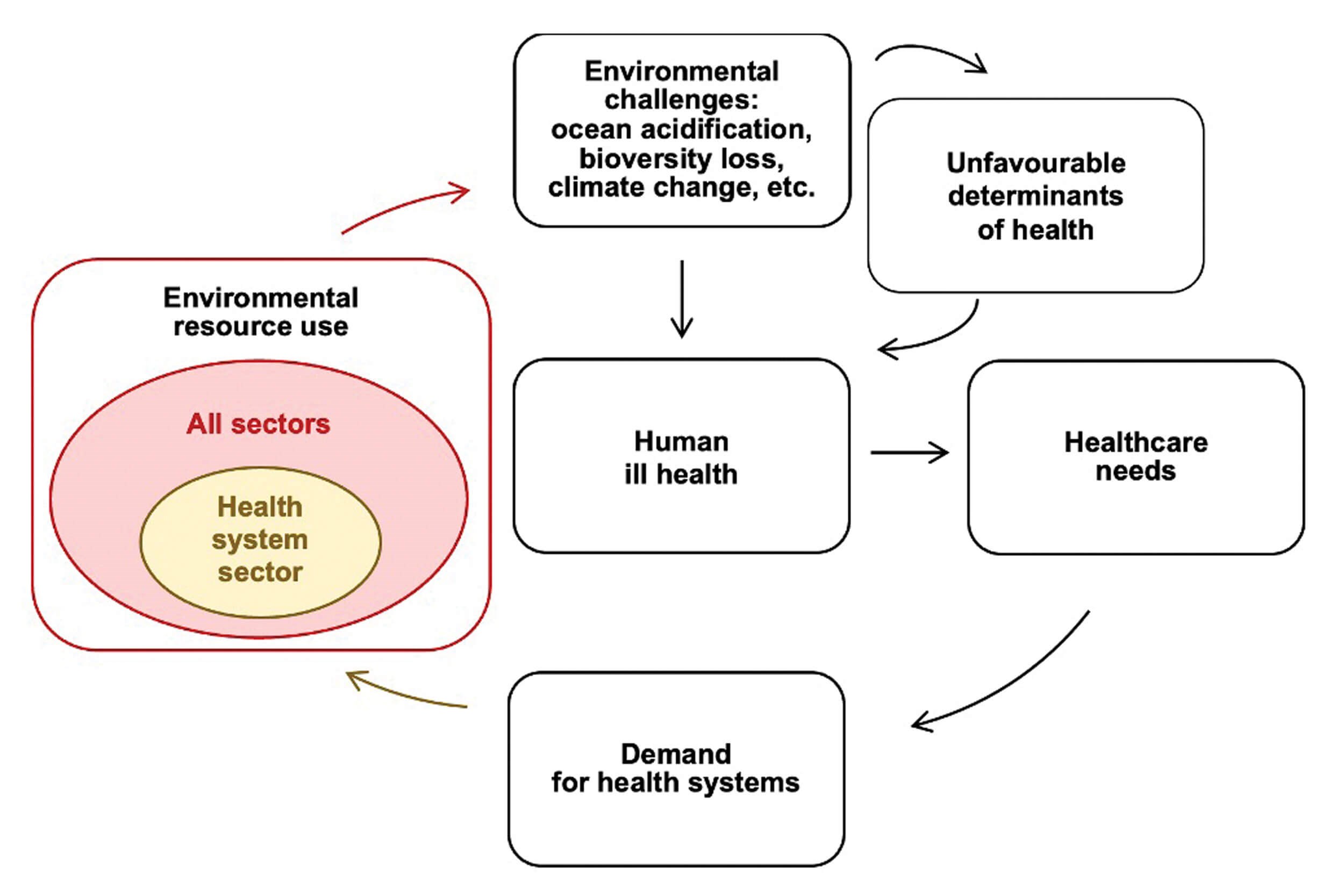
Figure 2: The feedback loop of environmental resources and health.
Climate change impacts hearing health through multiple pathways, including increased allergens affecting middle ear health, new distributions of vector-borne diseases associated with hearing loss, and extreme heat linked to complicated pregnancies and premature births and associated hearing conditions. Some pathways are more subtle. For example disrupted environmental conditions are favourable for pandemics, where public health measures, including physical distancing and facemasks, can render communication less accessible for persons with hearing loss.
"Two million annual audiology outpatient appointments generate approximately 42,000 tonnes of CO2 emissions"
In the UK, the National Health Service is responsible for approximately 4–5% of total carbon emissions. Two million annual audiology outpatient appointments generate approximately 42,000 tonnes of CO2 emissions. That’s equivalent to someone taking about 70,000 London–New York return flights in economy class.
Furthermore, climate change disproportionately harms persons with disabilities, who are up to four times more likely to die or be injured in natural disasters [2]. Failing infrastructure and inaccessible emergency communications make natural disasters significantly more dangerous for persons with hearing loss, and for the poorest. Planetary health, equity and social justice are closely intertwined.
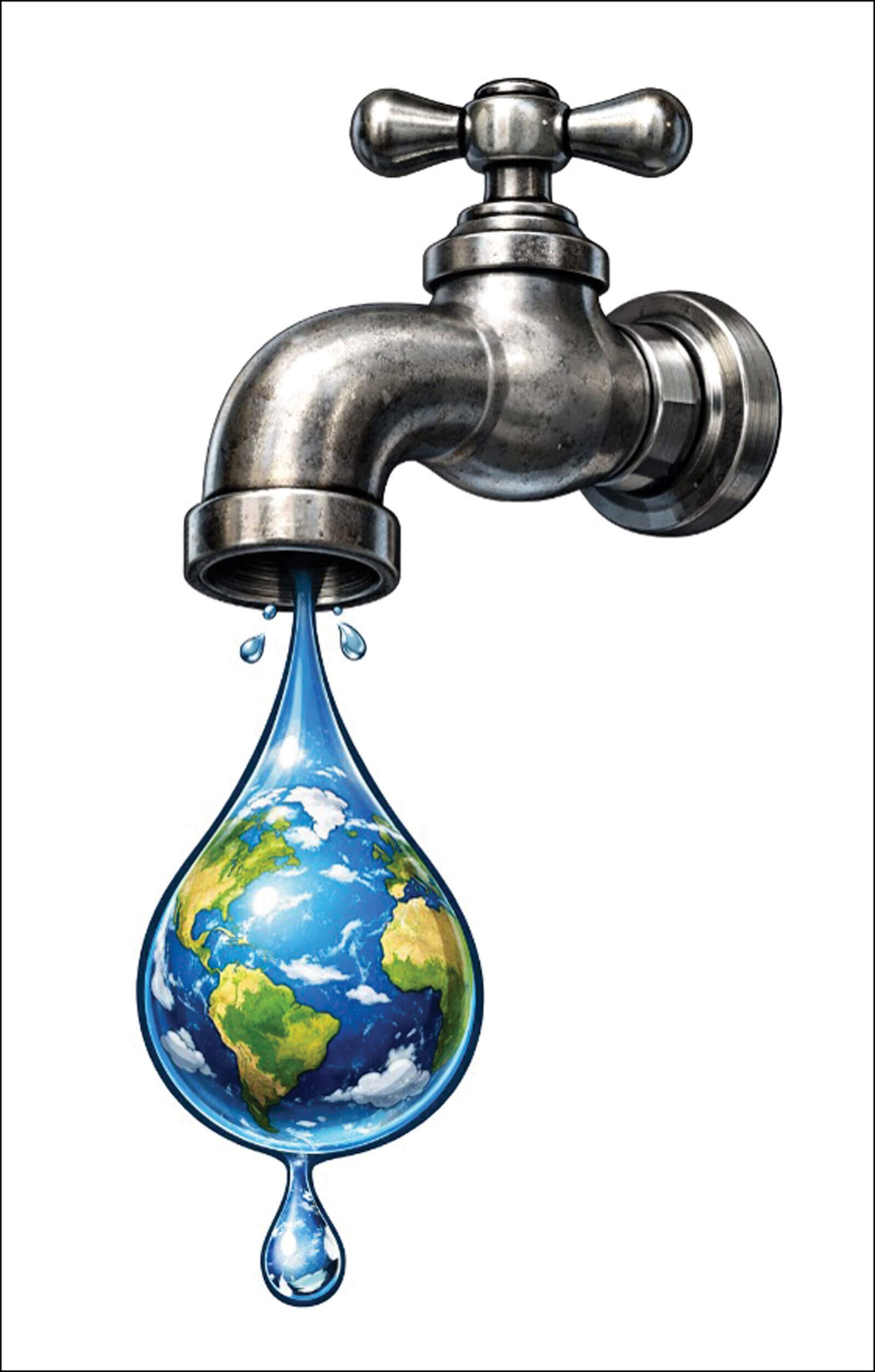
Figure 3: Hearing services quietly leak environmental resources.
Sustainability through the user’s perspective
For users, sustainability means the ability to access continued support across locations, life stages and circumstances. Technology must last a lifetime, and clinical encounters should be needs-driven rather than dictated by one-size-fits-all protocols. Users often see where hearing services quietly leak resources (Figure 3). Examples include premature hearing device replacement instead of repair, duplicated tests and clinical data that does not travel with service users. In April 2026, the Cochlear Implant International Community of Action hosted an online conversation to identify quick gains based on the global community’s collective experiences with hearing services.
Clinically, the biggest waste is the low take-up and non-use of hearing devices. When hearing loss remains unaddressed, it imposes a global cost of more than $980 billion annually. And when someone stops using their hearing devices, the human, financial and environmental resources invested in their care are lost. Sustainable services must be person-centred, ensuring devices are intuitive, maintainable and supported. Co-designing products and services with users is essential to prevent ‘eco-ableism’, a term coined for green policies and practices that inadvertently exclude those with disabilities or limited digital literacy. For example, flood, wildfire or storm warnings broadcast via sirens or radio announcements without visual alerts are not inclusive of the needs of persons with hearing loss. Also, community meetings about sustainability or climate change that lack captioning or sign language interpretation prevent people with hearing loss from participating in decision-making about environmental policies. Sustainability is not sustainable if it is only driven by and accessible for the privileged.
Policy and the path to net-zero
Around the world, over 100 countries have joined the World Health Organization-led Alliance for Transformative Action on Climate and Health, committing to develop climate-resilient and low-carbon, sustainable health systems. The UK’s National Health Service is currently undergoing systemic change, aiming for net-zero emissions by 2040 for directly controlled areas, and 2045 for its broader supply chain. While 79% of surveyed UK public sector audiologists view climate change as a health emergency, awareness of specific net-zero policies remains limited.
"Sustainability is not sustainable if it is only driven by and accessible for the privileged"
According to the Centre for Sustainable Healthcare, sustainable clinical practice rests on four principles:
- Prevention: tackling the causes of illnesses and inequalities to reduce the long-term need for care.
- Self-care: empowering people and their families to take a greater role in managing their own health.
- Lean service delivery: streamlining care to minimise wasteful activities and unnecessary appointments, tests and procedures.
- Low-carbon alternatives: prioritising treatments and technologies with a lower environmental impact, whilst maintaining quality and containing costs.
Practical steps in the clinic
A good place to start is the ‘R-ladder’ of circularity, which ranks strategies by impact, like an expanded version of the Reduce, Reuse, Recycle song children learn from an early age. The ladder begins with ‘refuse’ unnecessary items, such as disposable specula for otoscopy or headphone covers for hearing tests. Then comes ‘rethink’, ‘reduce’ and ‘reuse’. One inspiring example is the spare parts pool established by the Cochlear Implant Association in Türkiye, where users donate upgraded cochlear implant processors and accessories to a pool for those in need. An initiative that initially aimed to help people in financial need, it also reduces waste and international freight emissions. The ladder then moves to ‘repair’ or ‘refurbish’ old devices rather than automatically replacing them, and concludes with end-of-product-life strategies.
"Wherever in the world you may be located, we invite you to become an agent of change within your own sphere of influence"
A systematic review identified that to date, ENT initiatives focus on mitigating the carbon footprint of patient stay in hospital (transition to day-case surgery where clinically appropriate), operative theatre consumables (reduction of theatre waste and shift towards reusable instruments) and travels (remote care and local sourcing) [3].
For ENTs, audiologists and other clinicians, two high-impact areas stand out: practising wise device choice and limiting travel.
- Careful technology choices: hearing device manufacturing and shipping carry a significant environmental cost [4]. Micro components require complex and highly specialised fabrication, with material extraction processes and the high-energy demands of manufacturing environments contributing most. Therefore, hearing devices should be recommended where necessary and reused, repaired or refurbished as relevant. A life cycle assessment demonstrated that rechargeable hearing aids have less than half the environmental impact of non-rechargeable versions over a five-year lifespan. Where appropriate for the needs of users, rechargeable devices should be the recommended choice.
- Telehealth and remote care: patient travel is a major contributor to health sector emissions. Remote fitting and monitoring, already preferred by many for flexibility, can significantly reduce emissions [5]. Continuing education and recruitment practices can also increasingly benefit from suitable remote alternatives that reduce travel-related emissions.
Call to action: be an agent of change
Transitioning to green hearing services requires moving from individual awareness to collective action. In the Netherlands, ‘Green Teams’ are already implementing local roadmaps, conducting waste audits and promoting plant-based diets in health institutions. The Dutch Audiological Committee for Sustainability is working towards guidelines for sustainability within audiological centres, as well as systematically embedding sustainability in general clinical audiology guidelines.
Wherever in the world you may be located, we invite you to become an agent of change within your own sphere of influence. Start by identifying one small shift that will reduce the environmental footprint of your activities: offer remote consultations where appropriate, ask service users what they see as quick gains for our planet and co-design changes accordingly, integrate planetary health concepts into your teaching activities or audit your clinic’s waste.
If you are interested in joining a global community of practice to share resources and develop green guidelines, please reach out to the International Society of Audiology. Together, we can work towards hearing services that are kind for both people and the planet.
References
1. Lenzen M, Malik A, Li M, et al. The environmental footprint of health care: A global assessment. Lancet Planet Health 2020;4(7):e271–9.
2. Stein PJ, Stein MA, Groce N, et al. Advancing disability-inclusive climate research and action, climate justice, and climate-resilient development. Lancet Planet Health 2024;8(4):e242–55.
3. Spinos D, Doshi J, Garas G. Delivering a net zero National Health Service: Where does otorhinolaryngology–head and neck surgery stand? J Laryngol Otol 2024;138(4):373–80.
4. Selhorst RD, Alves C, Li C, Silva A. Life cycle assessment of hearing aid devices: Environmental impact analysis and improvement opportunities. Recycling 2025;10(6):219.
5. Purohit A, Smith J, Hibble A. Does telemedicine reduce the carbon footprint of healthcare? A systematic review. Future Healthc J 2021;8(1):e85–91.
Declaration of competing interests: None declared.