A major UK trial in The Lancet finds ESS provides greater symptom relief than long-term macrolides for adults with CRS, supporting earlier surgery and fewer antibiotics.
The MACRO Programme was established in 2016 when the UK National Institute of Health Research awarded £3.2 million to define the best management of adults with chronic rhinosinusitis (CRS). CRS is a common condition, with around 11% of UK adults reporting symptoms including nasal blockage, rhinorrhoea, loss of smell and facial pressure/pain [1].
To date there has been a paucity of high-level evidence regarding the use of endoscopic sinus surgery and long-term antibiotics in managing chronic rhinosinusitis, leading to variation in the use of both.
CRS has a significant impact on patients’ quality of life, ability to work, their social interactions and daily life. Early work in the programme revealed that CRS patients also report frustration with medication such as uncertainty about correct intranasal steroid techniques and time-consuming nasal irrigation. Patients highlighted frustrations that surgery is only considered after medical therapies have been explored and may only offer a temporary fix [2]. General practitioners reported that the timing of surgery remains unclear and reported uncertainty about the long-term benefits [3]. Analysis of general practice data (CPRD) showed high rates of repeated antibiotic prescriptions in some patients with CRS in primary care, with nearly one in 10 receiving five or more CRS-related courses in a five-year period [4].
"Early work in the programme revealed that CRS patients also report frustration with medication such as uncertainty about correct intranasal steroid techniques and time-consuming nasal irrigation"
The MACRO trial commenced in late 2018 to compare the clinical effectiveness of endoscopic sinus surgery (ESS) versus three months of intranasal clarithromycin treatment alongside intranasal medication in adults with chronic rhinosinusitis with and without polyps [5]. This trial was a pragmatic, three-arm randomised, placebo-controlled phase 4 trial. Participants for the trial were recruited from 20 secondary and tertiary care sites in the UK. We included adults aged 18 and over with chronic rhinosinusitis remaining symptomatic following appropriate medical therapy, which consists of intranasal corticosteroids, saline nasal irrigation and a short course of antibiotics. The participants were then randomly assigned (1:1:1) to one of three groups:
- Endoscopic sinus surgery (within six weeks of randomisation if waiting lists allowed) with intranasal medication (intranasal corticosteroids and saline rinses), (N=171).
- Clarithromycin (250 mg twice a day for two weeks then 250 mg once a day for 10 weeks) with intranasal medication (as above), (N=172).
- Placebo with intranasal medication, (N=171).
The primary outcome was the total score of the 22-item Sino-Nasal Outcome test (SNOT-22) quality-of-life questionnaire at six months after randomisation.
The secondary outcomes included:
- Short form-12 (SF-12) generic health-related quality of life reported as physical component score (PCS) and mental component score (MCS).
- Utility scores calculated from EuroQol 5-Dimension 5-level (EQ-5D-5L) generic health-related quality-of-life responses and EQ-5D-5L visual analogue scales (VAS).
- Lund-Kennedy endoscopic score (LKES).
- Lildholdt polyp score (LPS).
- Sniffin’ Sticks TDI score (threshold, discrimination and identification).
- Upper and lower respiratory function in terms of peak nasal inspiratory flow rate. (PNIF) and peak expiratory flow rate (PEFR).
- The need for further treatment (steroids, antibiotics).
- Asthma Control Test questionnaire.
- Adverse effects including serious adverse effects.
Secondary outcomes regarding cost-effectiveness will be reported separately. Full details of the trial are available in the trial protocol [5].

The trial ran between November 2018 to October 2023, during which time 514 participants – 181 (35%) female and 333 (65%) male – were included. Out of these participants, 410 had chronic rhinosinusitis with nasal polyps and 171 had chronic rhinosinusitis without nasal polyps. After six months of treatment, SNOT-22 scores were significantly lower in endoscopic sinus surgery group than clarithromycin group (adjusted mean difference -18.13 [98.33% CI -24.26 to -11.99], p<0.0001) and placebo group (-20.44 [-26.42 to -14.46], p<0.0001). SNOT-22 scores did not significantly differ between participants assigned to clarithromycin versus placebo arms (-3.11 [-8.56 to 2.33], p=0.17).
In terms of secondary outcomes, quality-of-life outcomes (SF-12, MCS, PCS, EQ-5D-5L and VAS scores) were all very similar to each other across the intervention groups. There were some significant differences in favour of the endoscopic sinus surgery detected at six months. LKES and LPS showed significant results in favour of endoscopic sinus surgery. PEFR and PNIF did not show evidence of differences between the groups. With regards to olfactory dysfunction, the trial observed a significantly greater improvement in TDI scores at three and six months after randomisation in surgical group comparing to placebo, however this did not reach the MCID of 5.5 for the TDI score in over 60% of cases. Regarding further treatment, no significant differences were detected between the groups, and asthma control test scores were similar across follow-up.
"After six months of treatment, SNOT-22 scores were significantly lower in endoscopic sinus surgery group than clarithromycin group and placebo group"
The rate of adverse events was similarly low across all groups. There were 10 serious adverse events in nine participants: two events in two (1%) participants in clarithromycin group, three events in three participants (2%) in placebo group, and five events in four participants (2%) in surgery group of which none were fatal and all resulted in discharge without any lasting sequelae.
When comparing CRSwNP and CRSsNP across the treatment groups, ESS improved quality of life in both groups compared to clarithromycin and placebo. Furthermore, when comparing endotypes, ESS is effective in both types, with the effect being stronger in type 2 inflammatory disease. Clarithromycin did not show a significant effect on change in SNOT-22 in either subgroup, but there was a trend towards significance in non-type 2 CRS participants.
The trial findings indicate that long-term macrolides should not be used routinely in undifferentiated patients in primary or secondary care. As there was a trend seen in those with non-type 2 CRS, albeit that the subgroup sample was underpowered, clinicians can consider the option of clarithromycin treatment. The previous lack or uncertainty in evidence regarding endoscopic sinus surgery has led it to be included in the lists of procedures of uncertain effectiveness, therefore reducing it as a consideration in both primary and secondary care. However, the results of the trial should provide doctors and policy experts with confidence in offering surgery as a treatment option to adults with chronic rhinosinusitis without adequate response to intranasal treatments [5]. As disease relapse rates and the need for surgical revisions increase over time, the trial participants will be followed remotely annually for five years and will be published when all participants complete long-term follow-up.

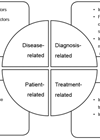
Figure 1: New proposed pathway for CRS patients from primary to tertiary care.
If this research is implemented in clinical practice, it may reduce unnecessary antibiotic prescriptions and, given the importance of antibiotic resistance currently, reduce the prescription and appointment costs by allowing patients to access endoscopic sinus surgery earlier [5]. A new proposed pathway for CRS patients from primary to tertiary care can be seen in Figure 1.
The pathway highlights that no long-term antibiotics should be prescribed in primary care and that patients with persistent symptoms despite intranasal medications should be progressed to sinus surgery.
References
1. Fokkens WJ, Lund VJ, Hopkins C, et al. European Position Paper on Rhinosinusitis and Nasal Polyps 2020. Rhinology 2020;58(Suppl S29):1–464.
2. Vennik J, Eyles C,Thomas M, et al. Chronic rhinosinusitis: a qualitative study of patient views and experiences of current management in primary and secondary care. BMJ Open 2019;9:e022644.
3. Vennik J, Eyles C, Thomas M, et al. Management strategies for chronic rhinosinusitis: a qualitative study of GP and ENT specialist views of current practice in the UK. BMJ Open 2018;8:e022643.
4. Hopkins C, Williamson E, Morris S, et al. Antibiotic usage in chronic rhinosinusitis: Analysis of national primary care electronic health records. Rhinology 2019;57(6): 420–9.
5. Philpott C, Beard DJ, Saeedi E, et al. The clinical effectiveness of clarithromycin versus endoscopic sinus surgery for adults with chronic rhinosinusitis with and without nasal polyps (MACRO): a pragmatic, multicentre, three-arm, randomised, placebo-controlled phase 4 trial. Lancet 2025;406(10506):926–39. Erratum in: Lancet 2025;406(10518):2424.
Declaration of competing interests: CP has been a paid advisory board member for Medtronic, GSK, Sanofi, AstraZaneca, Stryker and Rhinotherapeutics.