
You searched for "vestibular"

Persistent postural perceptual dizziness following stroke: the risk factors
The primary motivation for the study, as stated by the authors, was that the factors behind persistent postural perceptual dizziness (PPPD) have not been clearly determined in stroke patients. To that end, a prospective study of adults presenting to a...
Persistent imbalance after traumatic brain injury is central in origin
Several residual symptoms, including dizziness and imbalance, can follow traumatic brain injury, no matter how mild. This study focused on the mechanisms, peripheral and central, underlying the complaint of persistent imbalance in patients with chronic mild traumatic brain injury (mTBI)....
Balance Disorders: A Brief Overview
Managing balance patients poses a challenge for many clinicians. Vestibular disorders affect a large part of the population and hence present to various specialties including ENT, audiology, neurology and primary care. The healthcare cost of balance disorders and any resultant...
How does the Dizziness Handicap Inventory (DHI) correlate with demographics and symptoms of patients?
The DHI is widely used to assess the self-perceived emotional, functional and physical disability in subjects with dizziness and balance problems. By studying the data of 568 patients retrospectively, the authors sought to determine the gender and age differences in...
Visual vertigo and optokinetic response
This study measured differences in optokinetic responses (sitting, standing, with and without a static visual target) in three groups of people: those classified as having unilateral vestibular loss (n=10), unilateral loss with visual vertigo (n=8) and a control group (n=10)....
Cochlear implant, Ménière’s no more
Implanting Ménière’s disease (MD) patients with cochlear implant (CI) may improve their speech recognition, tinnitus and quality of life with comparable hearing benefits to those seen in controls without MD, even if labyrinthectomy has also been performed. Authors investigated the...Delegates receive audiometric equipment
This month’s Coalition for Global Hearing Health Conference (GHCC) in Los Angeles is helping delegates who work in low-resource environments.
MRI evaluation to assess the role of frusemide in reducing endolymphatic hydrops
Endolymphatic hydrops is generally considered to be a marker in Ménière’s disease and frusemide is used with the purpose of reducing it and improving symptoms. With the use of MRI, the authors have used the phenomenon of non-enhancing endolymphatic structures...6th Vertigo Academy International Meeting
Lilian Felipe, Associate Chair for the Doctor of Audiology Program, Lamar University Speech & Hearing Sciences, Texas, US.This esteemed event, organised by the International Vestibular Society, brought together leading experts in vestibular medicine and rehabilitation. The scientific programme featured a...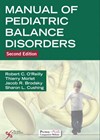
Manual of Pediatric Balance Disorders - Second Edition
This is a very welcome and recently updated book for those wishing to learn about paediatric balance disorders. It has a multidisciplinary authorship and therefore all the specialties involved in the management of a child with balance problems should be...


