You searched for "audiology"
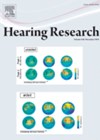
Be mindful of exposure
This is a topic which has been highlighted before in the Hearing Research series, as the evidence base regarding the specific impact of acoustic trauma on the auditory system has been expanding regularly in the last few years. This particular...
Parkinson’s humour: recognising social communication difficulties
Parkinson’s results in a progressive motor disease with symptoms including tremor, rigidity and bradykinesia. However, people with Parkinson’s also experience non-motor symptoms such as cognitive difficulties that can impact social communication, often due to their co-existing speech difficulties, auditory and...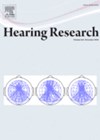
Tinnitus without hearing loss – inflammation?
Inflammation can have a profound impact on multiple systems. Certainly in recent years, autoimmune conditions are on the rise and the impact on audiovestibular symptoms have been documented. Given the rates in the population, the impact of inflammation on the...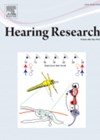
Not to be mis-underestimated
It is a very rare occurrence to find a paper looking at NF2 and the auditory system. There seems to only be a couple on NF2 prevalence in the population, so this is unsurprising. As far as I can recall...Bettear: one start-up’s journey to bridging a technological gap in pursuit of auditory accessibility
Imagine your disappointment if you have been looking forward to seeing your favourite grunge band play live at the Dog and Duck for weeks. Your family is bored of you constantly playing their greatest hits. But when you turn up...
Cochlear implant, Ménière’s no more
Implanting Ménière’s disease (MD) patients with cochlear implant (CI) may improve their speech recognition, tinnitus and quality of life with comparable hearing benefits to those seen in controls without MD, even if labyrinthectomy has also been performed. Authors investigated the...Auditory Diagnostics & Innovation Issue 1
To skip directly to features, click the links below: Welcome from the Editor - by Gareth Smith Current applications and advancements in clinical OAEs - by James W Hall III Wideband tympanometry: translating complexity into clinical clarity - by Jackie...
Softband vs. adhesive adapter in children with unilateral microtia and atresia
A bone conduction device is a well-established treatment indicated for patients with unilateral microtia and canal atresia. There are a variety of nonsurgical bone conduction hearing aids (BCHAs) with different coupling methods (softbands/adhesive adapter/spectacles). There appears to be uncertainty of...