You searched for "Rhinology"

Measuring is understanding: an unsupervised PROM clustering of CRS patients
It has been clear for quite some years, at least for anyone dealing daily with chronic rhinosinusitis (CRS) patients, that CRS is an ‘umbrella’ diagnosis. There are significant differences between patients, including different demographic data, different endoscopic and radiographic images,...
Nasal nitric oxide – an inflammatory marker in paediatric allergic rhinitis?
Nasal nitric oxide (nNO) is mainly produced in the paranasal sinus mucosa and was shown in some studies to have increased expression in allergic rhinitis (AR). Although it represents a potential non-invasive tool for AR measurement, there remains no consensus...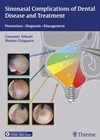
Sinonasal Complications of Dental Disease and Treatment: Prevention - Diagnosis - Management
As otorhinolaryngologists, we are trained to examine the computed tomography (CT) scans of all patients with maxillary chronic rhinosinusitis (CRS) for potential dental disease. The mainstay of managing this is generally limited to referring the patient to their dentist or...
Hereditary haemorrhagic telangiectasia
This is a very nicely written overview of this difficult condition by two expert rhinologists with a tertiary practice. The genetic basis, pathophysiology, diagnosis, natural history and available management options are all discussed. Clearly there is a large spectrum of...
Evidence and nasal polyp treatments
The change in the routine management of nasal polyps in the past 2-3 decades has been fascinating and this review from Charleston covers the topics of systemic treatment, local treatment, perioperative treatment and immunotherapy and touches on the lower airway...BRS 2026 Fellowship Grants and Video Prizes
The British Rhinological Society (BRS) have announced their 2026 Fellowship Grants and Video Prizes. These awards are in collaboration with ENT UK and support trainees and SAS doctors at every career stage, encourage innovation in education, and reflect the BRS commitment to investing in and shaping the future of rhinology.
Managing CRS in pregnancy
An International team of experts from both sides of the Atlantic set out to perform a systematic review of the management of chronic rhinosinusitis in pregnancy. Despite a thorough search no scientific evidence was found that could form the basis...