You searched for "parents"
In conversation with Ulrik Pedersen, Chairman of the EBEORL-HNS Exam Board
The European Examination Board in Otorhinolaryngology was created in 2008 in order to ‘harmonise the knowledge base among otorhinolaryngolgists throughout Europe’. Declan Costello spoke to new Chairman of the Board, Ulrik Pedersen. Ulrik Pedersen. Congratulations on your appointment as the...Rhinoplasty for cleft nose deformity
Modern cleft lip and palate repairs produce excellent functional and aesthetic results at an early age. Tony Holmes, a craniofacial surgeon with over 40 years’ experience, shares his wisdom on the best timing and techniques for addressing the associated complex...
Drug eluting stent vs INCS for CRS
A prospective, randomised study from Finland to compare a drug eluting stent (DES) and intranasal corticosteroids (INCS) in 63 patients as assessed by SNOT-22, VAS, endoscopy, CT and rhinometry pre-treatment, at three and six months post treatment. Recruitment was over...Anaesthesia for sleep nasendoscopy and snoring / obstructive sleep apnoea surgery
Surgery for sleep disordered breathing inevitably requires surgeon and anaesthetist to share the airway. Here, Edward Bick gives us the anaesthetic viewpoint, reiterating that communication is the key. A specific note is made of the anaesthetic technique for sleep nasendoscopy,...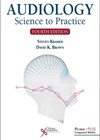
Audiology: Science to Practice – Fourth Edition
Kramer and Brown have done it again with their fourth edition of Audiology: Science to Practice. This textbook provides a comprehensive introduction to audiology with both clinical and practical information. This book is mainly aimed at those who are studying...The multidisciplinary voice clinic
In his inimitable way, Nick Gibbins tells us why the voice clinic is the highlight of his week – and his very own field of dreams. The voice clinic has come a long way in the last 40 years. The...Enhancing care for adults with auditory neuropathy spectrum disorder
It’s time to improve and personalise care for adults with ANSD. Knowing the lesion site could open up treatment opportunities like cochlear implants or new cell therapies. Auditory neuropathy spectrum disorder (ANSD) comprises a group of hearing disorders characterised by...