You searched for "infection"
Continuous intraoperative neural monitoring and thyroid surgery
Continuous intraoperative neural monitoring enhances thyroid surgery safety, helping predict and prevent recurrent laryngeal nerve injury in real time. Recurrent laryngeal nerve (RLN) injury with resultant vocal cord paralysis (VCP) can have a significant impact on patient quality of life...Navigation in skull base surgery
Advances in navigation and augmented reality are transforming skull base surgery, offering greater precision and safety alongside emerging robotic tools. Surgical robots have been used in various forms across several surgical specialties for over 20 years [1,2]. However, it is...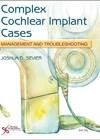
Complex Cochlear Implant Cases – Management and Troubleshooting
When working with cochlear implant (CI) recipients who are not responding as well as expected or their case incorporates new challenges for the audiologist, the common response is a quick panic, closely followed by a question: what do we do...Management considerations for limited usable hearing unilaterally in the paediatric population
How can we best support children with limited usable hearing in one ear? This article discusses the latest approaches. Limited usable hearing unilaterally (LUHU) is an emerging term and has been suggested to replace the historical term ‘single-sided deafness (SSD)’....In conversation with Professor Michal Luntz
Professor Michal Luntz is an Otologist and Cochlear Implant Surgeon, and Director of the Ear and Hearing Center in A.R.M, Assuta Tel Aviv, Israel. We caught up with her to hear about her life, her background, and her unique insight...Taking a fresh look at otoacoustic emissions
So what has changed in four decades of OAEs? Do we now have all the answers? Have we reached our optimum recording ability? Professor Kemp explains what we know, what we don’t know and what’s to come. In the 40...Use of automated audiometry for faster patient access to audiology services?
Manual audiometry has long been the gold standard for establishing hearing thresholds. In recent years, a number of automated audiometry applications have reached the market. In this article, a team from Ireland have put a version of automated audiometry to...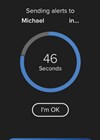
The future of fall detection
Falls are a major global health burden. According to the World Health Organization, they are the second leading cause of unintentional injury deaths worldwide, with adults older than 65 at the greatest risk of a fatal fall. For every death...
Interleukins, cilia and polyps
Interleukins (ILs) including IL13 (Th2 cytokine) are inflammatory mediators and their role in asthma has been detailed before. This study explores IL13 receptor expression in chronic rhinosinusitis with nasal polyps (CRSwNP). The authors investigate protein and mRNA expression levels of...
Objective versus subjective – again!
The use of objective measurements of nasal airflow has a long history; however, its clinical application remains, at most, patchy. The main reason for that has been the lack of convincing studies showing a good correlation between the findings of,...