You searched for "wound"
Facial palsy: What do patients and healthcare care about?
The article describes the process for establishing a collaborative research agenda to address gaps in understanding of the diagnosis, treatment management of facial palsy. A Delphi technique was used in order to establish a facial palsy research agenda. In round...KUDUwave™ Boothless Audiometer
The KUDUwaveTM was designed to replace the need for a sound booth and enable truly portable audiometry in almost any environment. ENT & Audiology News’ own Gareth Smith, Priya Carling and Alex Griffiths Brown met in London to put the...Controlled clinical trial results for FDA-approved tinnitus treatment device Lenire published in Nature Communications
Nature Communications has published the peer-reviewed results of Neuromod Devices’ TENT-A3 (Treatment Evaluation of Neuromodulation for Tinnitus – Stage A3) clinical trial for the first and only FDA-approved bimodal tinnitus treatment device, Lenire.
Sarcopenia and dysphagia in older community-dwelling adults
The prevalence of dysphagia in community-dwelling older adults is reported to be around 15%. Outside of common neurological causes such as stroke, Parkinson’s disease and dementia, recent studies have suggested that sarcopenia may be an independent risk factor for the...In conversation with Professor David Kemp
Ted Killan, Vice-Chair of the British Society of Audiology (BSA), caught up with Professor Kemp to discuss his scientific journey over the past 40 years, and what we can expect from OAEs in the future. Prof David T Kemp. In...Hearing about genes
I have been fortunate in my career to travel as an invited lecturer at many hospitals, universities and professional societies around the world. I have spoken to audiology societies, otolaryngology societies, and university communication disorders programmes in Europe, Asia, Africa,...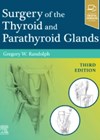
Surgery of the Thyroid and Parathyroid Glands - Third Edition
Surgery of the Thyroid and Parathyroid Glands - Third Edition is an excellent text for trainee and specialist surgeons with an interest in head and neck endocrine surgery. The organisation of the book simply makes sense, showing progression from the...
Head and neck high dependency unit - an alternative to ITU?
Close observation of the airway is a primary requirement for patients undergoing major head and neck surgery. It is also necessary for patients with upper airway infection and trauma. Wound care, drains, feeding and analgesia also require specific attention. Whilst...
Multiple free flaps for head and neck cancer
Most patients with advanced head and neck cancers now undergo microvascular free flap reconstruction. This is mainly as flaps facilitate complete tumour and margin removal by providing reliable wound coverage and better restoration of form and function. However despite this,...