You searched for "prevention"

Audiology in palliative care
The goal of palliation is to provide services that are centred on understanding the salient needs for the patient, maintaining quality of life and addressing any functional and supportive needs of the patient and those caring for them. The audiologist...Sentio™ System – an active transcutaneous bone conduction hearing system from Oticon Medical
As bone conduction technology advances, implant options continue to improve; here, the Sentio™ System is outlined, including indications, surgical technique and aftercare. Bone conduction hearing aids (BCHA) are an established management option for adults with conductive (CHL) or mixed hearing...Sustainable Practice
Guest Section Editor Brian D Westerberg, MD, FRCSC, MHSc, Clinical Professor, University of British Columbia, Canada; Head, Division of Otolaryngology – Head and Neck Surgery, Providence Health Care, Vancouver, Canada. Climate change is the greatest threat to human health today....Hearing aids 2019: today’s technology
High-end or basic hearing aids: does the technology level make a difference? Catherine Palmer shares the current evidence base and suggests where hearing healthcare professionals can make the most impact. The most common complaint from individuals with mild-to-moderately severe hearing...Call to enter WHO Film Festival
Submissions for the fourth edition of the Health for All Film Festival (HAFF) are open until 31 January 2023. Run by the World Health Oganisation (WHO), the HAFF celebrates the art of short films as a means of raising awareness of global health issues.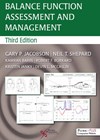
Balance Function Assessment and Management – Third Edition
Now in its third edition, this textbook provides an extensive amount of up-to-date information on the assessment and management of the vestibular system. Four new editors have been recruited for this edition and all chapters have been reviewed and reorganised...
Sound localisation after bilateral cochlear implantation
Limited information is known about the localisation skills of paediatric cochlear implant patients who were good hearing aid users before their hearing deteriorated. As localisation is a skill often associated with good natural hearing, there is a worry that implants...
Social representation of hearing loss in different countries
The social representation of different phenomena has generated strong interest among researchers recently. The social representation of ‘hearing loss’ is different in different countries such as India, Iran, Portugal, and the UK, as was evidenced in previous research. This study...
To use or not to use: absorbable sutures for facial wounds
This systematic literature review looked at studies comparing facial skin closure with absorbable versus non-absorbable sutures. Studies not published in English or looking at areas other than the head and neck, and studies focused on suture technique rather than material...
Pharmacologic treatment options for tinnitus
This article summarises potential medications that could be used to treat tinnitus and the evidence behind their use. Effective medications to eliminate tinnitus remain elusive but treatment could be divided into two broad categories: treatment to reduce perception of tinnitus...
Diagnostic criteria for superior semicircular canal dehiscence syndrome
The latest Bárány Society’s consensus document on diagnostic criteria for vestibular disorders is one for superior semicircular canal dehiscence syndrome (SCDS). There are three major categories: (A) Symptoms consistent with a third mobile labyrinthine window; (B) Physiologic tests – clinical...