You searched for "hearing"
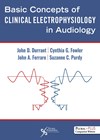
Basic Concepts of Clinical Electrophysiology in Audiology
Signal averaging principles have been around since 1875, but their application in medicine to enhance biologic signals was first made in 1947 for improved detection of electroencephalographic signals. It took a few more years until the first electrophysiological studies were...Young ELS: a fresh voice and community for the next generation of laryngologists
At the European Laryngological Society (ELS) Congress in May 2025, Young ELS – a vibrant new network for trainees, ENT specialists and researchers with a keen interest for laryngology – was officially launched. From idea to reality While the ELS...Surgical challenges in advanced or recurrent thyroid malignancy
The management of thyroid malignancy and extent of surgery is controversial, especially considering the limitations of preoperative diagnosis. Neil Tolley provides guidance and reminds us of our responsibility not to over-treat. In the UK, 16% of thyroidectomies are performed for...The European Board Exam in Otorhinolaryngology-Head and Neck Surgery (EBEORL-HNS) and the benefits it will have on your career
Ulrik Pedersen, Chairman European Board Examination in Otorhinolaryngology-Head and Neck Surgery, and Shawkat Alaa Shawkat Abdulrahman, Rhinology Consultant Tallaght Teaching Hospital, Dublin, outline the history and format of the EBEORL–HNS and demonstrate the huge benefits gained from the qualification with...Global recognition for the work of Professor Mahmood Bhutta
Professor Mahmood Bhutta, Chair of ENT Surgery and Professor of Sustainable Healthcare at Brighton and Sussex Medical School, University of Sussex, is the recipient of both a prestigious international award and a grant for his pioneering work on ear disease around the world.In conversation with Diana Terry: Winner of the ‘What Does Sound Look Like to You?’ art competition
The ‘What Does Sound Look Like to You?’ art competition, supported by ENT & Audiology News and Manchester Art Gallery, attracted many impressive entries! They were judged by HUGS Chair, Richard Bircher, along with Fiona Corridan, curator of Grayson’s Art...
How quality improvement helped to create local guidelines for good tracheostomy care
Significant morbidity and mortality is associated with tracheostomy insertion. A complex, multistep process exists to help patients towards decannulation. This process is often complicated by patient comorbidities, discontinuity of care and communication as patients move through hospital, and variable experience...
Harnessing technology for the benefit of children with significant communication difficulties
This article describes future needs in provision and research in the field of augmentative and alternative communication (AAC) aids for children with significant communication difficulties. The authors highlight the needs of users and the opportunities that technology could provide in...Emerging robotic systems for head and neck surgery
As of December 2020, seven robotic surgical systems have received approval for use in different jurisdictions, and many more task-specific robots are in the pipeline. Jack Faulkner takes us through what’s on the horizon for head and neck cancer surgery....
Manual of Allergy and Clinical Immunology for Otolaryngologists
As a first approach, the book impresses with the hardback cover and the glossy 442 pages. Published in March 2015, the book reflects an effort to deliver the main advances and updates of allergy and clinical immunology relevant to otolaryngology...
Objective testing for Eustachian tube dysfunction
Eustachian tube dysfunction (ETD) is typically diagnosed based on subjective symptoms and examination leading to wide variation in its diagnosis and management. The search for an objective test has looked at ways of measuring the passage of air through the...