You searched for "conferences"

Is there increased cardiovascular risk with macrolide antibiotics?
This month’s Ed’s Choice delightfully reviews the potential cardiovascular consequences of long-term macrolide use in the treatment of chronic rhinosinusitis. This used to be one of my ‘go-to’ topics of conversation at home after a bad day at work, although...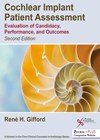
Cochlear Implant Patient Assessment: Evaluation of Candidacy, Performance, and Outcomes – Second Edition
The second edition of Cochlear Implant Patient Assessment aims to become a point of reference for all professionals involved in assessing cochlear implant candidacy and interested in broadening their knowledge to maximise the hearing capabilities of their patients. This book...In conversation with Ray Clarke: Scott-Brown – The Editors’ view…
Ray Clarke. How did you get involved in the forthcoming Scott-Brown ? How does one become editor of a textbook? Editors are approached and appointed by the publishers, but of course publishers will take advice and soundings from within the...Audiology in this issue...Autism
Alex Griffiths-Brown, BSc(Hons), MRes, Audiologist, The Shrewsbury and Telford Hospitals NHS Trust, Shrewsbury, UK. E: alex.griffiths-brown@nhs.netTwitter: @griffithsbrown1 As audiology professionals, we will work with a wide variety of patients with different priorities, life experiences and challenges. Patients with autism spectrum...Audiological evaluation and management of teenagers with tinnitus
There is a growing interest in investigating, understanding and managing tinnitus in children and adolescents, with several articles on the subject published in journals over the last year. Brian Fligor describes the approaches to consider when discussing tinnitus with teenagers....
Factors affecting hearing aid recommendations
There is a wide variety of hearing instruments available to the hearing impaired. Hearing care professionals are often confronted with making decisions on which to recommend based on audiometric and non-audiometric parameters (e.g. vision, manual dexterity and vanity). The factors...Obituary: John Noel Gleave Evans (1934-2022)
John Noel Gleave Evans DLO FRCS, formerly consultant otolaryngologist to St Thomas’ Hospital and Great Ormond Street Hospital for Children, died peacefully at home on 27 March 2022 at the age of 87.
Impedance for different electrode types
Measuring cochlear implant (CI) electrode impedances is common in CI programming appointments to measure the integrity of the implant e.g. whether there are any open or short electrodes. This is because impedance measures the flow of current between intra and...Connected hearing healthcare: the realisation of benefit relies on successful clinical implementation
Connected hearing healthcare is the one of best tools for improving access to, as well as the overall quality, of hearing healthcare. Evelyn Davies-Venn and Danielle Glista discuss the benefits and important factors that contribute to successful implementation of this...Hyperacusis-related distress and comorbid psychiatric illness
Research suggests that over 50% of patients presenting with hyperacusis also present with some form of psychiatric disorder. With this in mind, Dr Aazh outlines what tools clinicians can use to screen for psychological disorders and what path to take...