
You searched for "surgeon"

Is there time for intraoperative scans?
Intraoperative imaging plays an integral role in orthopaedic surgery during the repair of long-bone fracture. Given the complexity of the facial skeleton, intraoperative imaging has the potential for similar benefits in reconstructive surgery. The objectives of the study were to...
Revision stapedectomy with bone cement works well!
Revision stapes surgery is notoriously difficult and results are worse than in primary surgery. This group in Utah have described the use of hydroxyapatite bone cement to stabilise the nitinol prosthesis they use in revision surgery due to incus necrosis...Continuous intraoperative neural monitoring and thyroid surgery
Continuous intraoperative neural monitoring enhances thyroid surgery safety, helping predict and prevent recurrent laryngeal nerve injury in real time. Recurrent laryngeal nerve (RLN) injury with resultant vocal cord paralysis (VCP) can have a significant impact on patient quality of life...
The Chronic Ear
For me, the title of this book conjures up an historical image. I imagine an early 20th century consulting room, an otologist with a head mirror and bull’s eye lamp. A pre-antibiotic era in which a patient’s otorrhoea is meticulously...
Pediatric Endoscopic Endonasal Skull Base Surgery
Published in 2020, this book, edited by professors of neurosurgery and otolaryngology, approaches the narrow field of paediatric endoscopic skull base surgery with a wealth of knowledge and expertise that the authors have achieved practising in adult and paediatric joint...
Paranasal sinus osteoma management
The authors aimed to determine the best approach to paranasal osteoma excision. They conducted a retrospective study of 41 patients with paranasal sinus osteoma (PNSO) at a tertiary centre in Turkey. PNSO was present in: the frontal sinus in 26...From the editor Sep/Oct 2024
Declan Costello, MA, MBBS, FRCS(ORL-HNS),Consultant Ear, Nose and Throat Surgeon, Wexham Park Hospital, Slough, Berkshire, UK. E: d.costello@nhs.netTW / X: @Voicedoctor_uk This edition marks a milestone for me, as it is exactly 10 years since I started as editor of...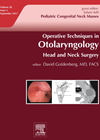
Managing the thyroglossal duct cyst
Although the operation to remove thyroglossal cysts and their tracts is commonly performed, a full understanding of the possible anatomical locations of the tracts may be less appreciated. This article helps the reader understand the possible variations available which should...
An overview of cranioplasty
This article provides a summary of the indications, materials and current techniques available in cranioplasty. Cranioplasty is performed to restore the normal architecture of the skull following craniectomy for many reasons including intracranial infection, trauma and neoplasm. The timing of...
Airway first in patients with facial trauma
Anyone that has ever been on an ATLS or indeed any other trauma course will be well indoctrinated with the principles of ABC. Securing the airway is of paramount importance; but what to do if the anatomy is altered or...
The increasingly favourable outcomes from endoscopic endonasal approaches for the management of pituitary adenomas
Historically, pituitary tumours have been surgically managed with an open, transcranial approach. Although this approach still has its merits in large intracranial adenomas, technological advancement has allowed smaller tumours to be debulked via a transseptal microscopic technique. These days, the...


