You searched for "retraction"
Navient receives FDA 510(k) clearance for ENT procedures
CKI (ClaroNav Kolahi Inc.) has received FDA 510(k) clearance for Navient in ENT procedures, expanding its previous clearance for cranial applications. Navient is now approved by major global regulatory bodies, including Canada (HC), Europe (EU MDD), China (NMPA), UAE, Saudi...Recurrent respiratory papilloma treatment in the office
In this interesting new article, Markus Hess and Susanne Fleischer describe their technique for managing recurrent laryngeal papillomatosis in an outpatient setting using channelled endoscopes. The recurrent respiratory papillomatosis (RRP) of the larynx is a chronic HPV-associated viral disease. Clinical...Where ART meets Science: A unifying story in ENT & Audiology News
We are delighted to introduce a stunning new cover series by Dyon Scheijen, a Maastricht-based clinical physicist-audiologist and artist fascinated by the psychology of hearing. Dyon explores the connection between audiology, acceptance and commitment therapy (ACT) and sound perception. He...DP Medical brings groundbreaking non-occlusive airway dilation balloon to UK market
Leading healthcare supplies company, DP Medical Systems Ltd, is bringing a groundbreaking, non-occlusive airway dilation balloon to the UK market.Head and neck cancer and PET-CT
Positron emission tomography-computed tomography (PET-CT) is an imaging technique in which abnormalities of tissue metabolism are precisely superimposed onto the anatomy. It relies on the premise that malignant cells are more metabolically active compared with non-malignant cells. On this basis,...Audiology in this issue...Current Topics in Tinnitus
Prof David Baguley, PhD, MBA,Professor of Hearing Sciences, NIHR Nottingham Biomedical Research Centre, University of Nottingham; Division of Clinical Neuroscience, School of Medicine, University of Nottingham; Nottingham Audiology Services, Nottingham University Hospitals Trust, Nottingham, UK. Until really quite recently, the...
Tissue engineered flaps
This article provides a thorough summary of the current techniques available in head and neck reconstruction. It details the challenge of restoration of form and function posed by the shape of the craniofacial skeleton and soft tissue. The introduction on...Radiology and sinus disease: “the ever-evolving landscape”
Computed tomography (CT) remains the imaging modality of choice in assessment of patients with symptoms of chronic rhinosinusitis resistant to conservative treatment. In the last 10 years, CT technology has seen significant advances with the development and integration of multi-detector...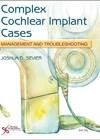
Complex Cochlear Implant Cases – Management and Troubleshooting
When working with cochlear implant (CI) recipients who are not responding as well as expected or their case incorporates new challenges for the audiologist, the common response is a quick panic, closely followed by a question: what do we do...A person-centred approach to telehealth
“The time when telehealth was a remote, abstract concept has come to an end”. Deborah Ferrari and Lise Lotte Bundesen discuss how to advance person-centred care in hearing rehabilitation through online tools and training. The time when telehealth was a...In conversation with Dr Eugene Myers: Education, training, and leadership in the modern era
It is an honour to hear from Dr Eugene Myers, who shares his experience with us, and his opinions and advice on the current circumstances for training and trainees. His energy, vitality and work ethic in his late 80s are...