
You searched for "educational"
37th World Congress of Audiology 2026
Ebru Zeren, specialist audiologist, Mid and South Essex University Hospitals GroupSeoul proved to be a fantastic host city for this year’s World Congress of Audiology, combining rich cultural heritage with a vibrant and modern atmosphere. From the bustling streets, incredible...
Role of potassium channel opener in salicylate induced tinnitus
The exact mechanism in the origin of tinnitus is not known. Many pharmacological agents have been tried to to treat tinnitus without great success. Aspirin is a commonly used medicine in the elderly population to reduce the risk of stroke...Optimising hearing aid processing for music appreciation
Hearing aid manufacturers’ main focus has, up until recently, been improvement of speech intelligibility. Today’s hearing aid users have much broader demands however and often cite improved music perception as a key outcome or goal. Drs Tish Ramirez and Rebecca...‘What does Sound Look like to You?’ Art competition
Artists are being put to the test to represent sound in a visual artform, as part of a competition hosted by the charity, Helping Uganda Schools, and supported by ENT & Audiology News and the Manchester City Art Gallery. Submissions...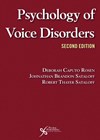
Psychology of Voice Disorders – Second Edition
Whenever I pick up a book, the first thing I do is look at the authors and see if I recognise any. The senior author of this book is Bob Sataloff – he needs no introductions when it comes to...Systemic agents in thyroid cancer
For those patients who have disseminated or unresectable thyroid cancer, Dr Arabella Hunt and Dr Kate Newbold review systemic treatments, their differences, toxicities and outcomes. Thyroid cancer is the most common endocrine malignancy. It is subdivided into differentiated (papillary, follicular...
Cochlear implantation in children with congenital long QT syndrome
Jervell and Lange-Neilsen syndrome is a condition where sensorineural deafness coincides with inherited abnormalities of the heart, resulting in prolonged ventricular repolarisation, frequently shown on an ECG with a prolonged QT interval. These children can present at implant centres for...
Corticosteroid prescribing in ENT - are we at risk of being sued?
Of medications leading to malpractice claims, corticosteroids comprise the third most common. They are used widely and have a significant side-effect profile: hypertension, lipodystrophy, diabetes, avascular necrosis of the femoral head, peptic ulceration and psychiatric reactions to name but a...ENT in the Balkans
Shining a light on ENT in the Balkans, Metin Önerci explains the population and challenges in this part of the world. There is no universal agreement on what constitutes the Balkans. However, the following countries are usually included: Albania, Bosnia...
An otological cure for globus?
Globus pharyngeus is a common benign condition frequently encountered in ENT practice. Laryngopharyngeal reflux and psychological stressors are often considered to be contributory factors, but globus symptoms do not always respond to antacid medications. Such medications can also be limited...
Speech and language therapy is valuable for people at all stages of dementia
The number of people living with dementia is going to increase significantly over the coming 10-20 years. The authors of this article describe the breadth of the role of speech and language therapists (SLTs) working with people with dementia. They...


