You searched for "otological"
Effects of blast and acoustic trauma: assessment of hearing status on war veterans
Introduction Acoustical conditions of the military are often dangerous and there is a real risk of blast trauma and acoustic trauma [1, 2]. Levels of military noises maybe reach up to 125 dBA [3]. Weapons produce instant shock waves (10μs)...Office-based PRP injection for benign vocal fold disorders
Awake transnasal laryngeal injection has become globally popularised. This article discusses autologous plasma as a regenerative alternative to synthetic materials. Regenerative therapies are increasingly being explored across a range of specialties. Among these, platelet-rich plasma (PRP) has seen the widest...Anaesthesia for excision of vestibular schwannomas
The ‘shared airway’ relationship between ENT surgeons and anaesthetists is well documented. But ENT surgery and anaesthesia interact in numerous other ways, particularly in complex skull base surgery. What do our anaesthetic colleagues want us to know about vestibular schwannoma...Entrepreneurial aspirations for the otolaryngologist
Entrepreneurship is a process of identifying an idea and starting a business venture with this idea. It requires generation of a business model or plan that emphasises the value proposition for the customer. The model must identify the partners, resources,...In conversation with Prof Peter John Wormald: The past, present and future of treating CRS
At ERS2023, Prof PJ Wormald will lecture on the past, present and future of treating chronic rhinosinusitis (CRS). We caught up with him recently to hear about the major improvements, the hypes and his dreams for the future of treating...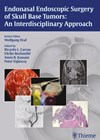
Endonasal Endoscopic Surgery of Skull Base Tumors: An Interdisciplinary Approach
This book sets itself apart from its peers by providing a unique interdisciplinary approach to skull base surgery. As the title implies, there is naturally a huge focus on endoscopic endonasal skull base surgery (between chapters 8 and 15). The...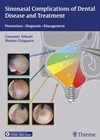
Sinonasal Complications of Dental Disease and Treatment: Prevention - Diagnosis - Management
As otorhinolaryngologists, we are trained to examine the computed tomography (CT) scans of all patients with maxillary chronic rhinosinusitis (CRS) for potential dental disease. The mainstay of managing this is generally limited to referring the patient to their dentist or...
Transnasal endoscopic repair of CSF leaks
This Italian study was a retrospective review of 110 consecutive patients who underwent repair of their CSF leak via the transnasal endoscopic approach from 2003 to 2013. All surgery was performed by the same primary surgeon and patients with a...
What is the evidence for contralateral tonsillectomy in TORS for known unilateral tonsil malignancy?
The concept of field changes by carcinogens within the upper aerodigestive tract is well established with reported rates of synchronous tumours of 4% and second primaries of 36%. The tonsil in particular has the highest rate of synchronous tumours, postulated...
A raised neutrophil / lymphocyte ratio predicts vestibular schwannoma growth
It has long been known that the neutrophil to lymphocyte count ratio (NLR) is a marker of inflammation and that a higher ratio relates to poorer outcomes in some malignant tumours including some head and neck cancers. Neutrophilia (and therefore...
Method of delivery: all topical nasal corticosteroids are not made equal
There is an increasing body of evidence that the role of surgery for chronic rhinosinusitis is to facilitate the delivery of topical medical treatment – most notably, topical corticosteroids. Two recent studies, one using flow dynamics and another one examining...