It is almost impossible to imagine audiometry today without electronic tone generators, digital electronics or computers. At the beginning of the last century, however, the otologist relied on much simpler tools: a pocket watch, a tuning fork, or a Galton pipe. From 1910 onwards, the latest technological advance was the monochord, invented by the Dutchman Hubert Johann Leonard Struycken (Figure 1). To test a patient’s hearing, the otologist would then take out his violin bow and play.
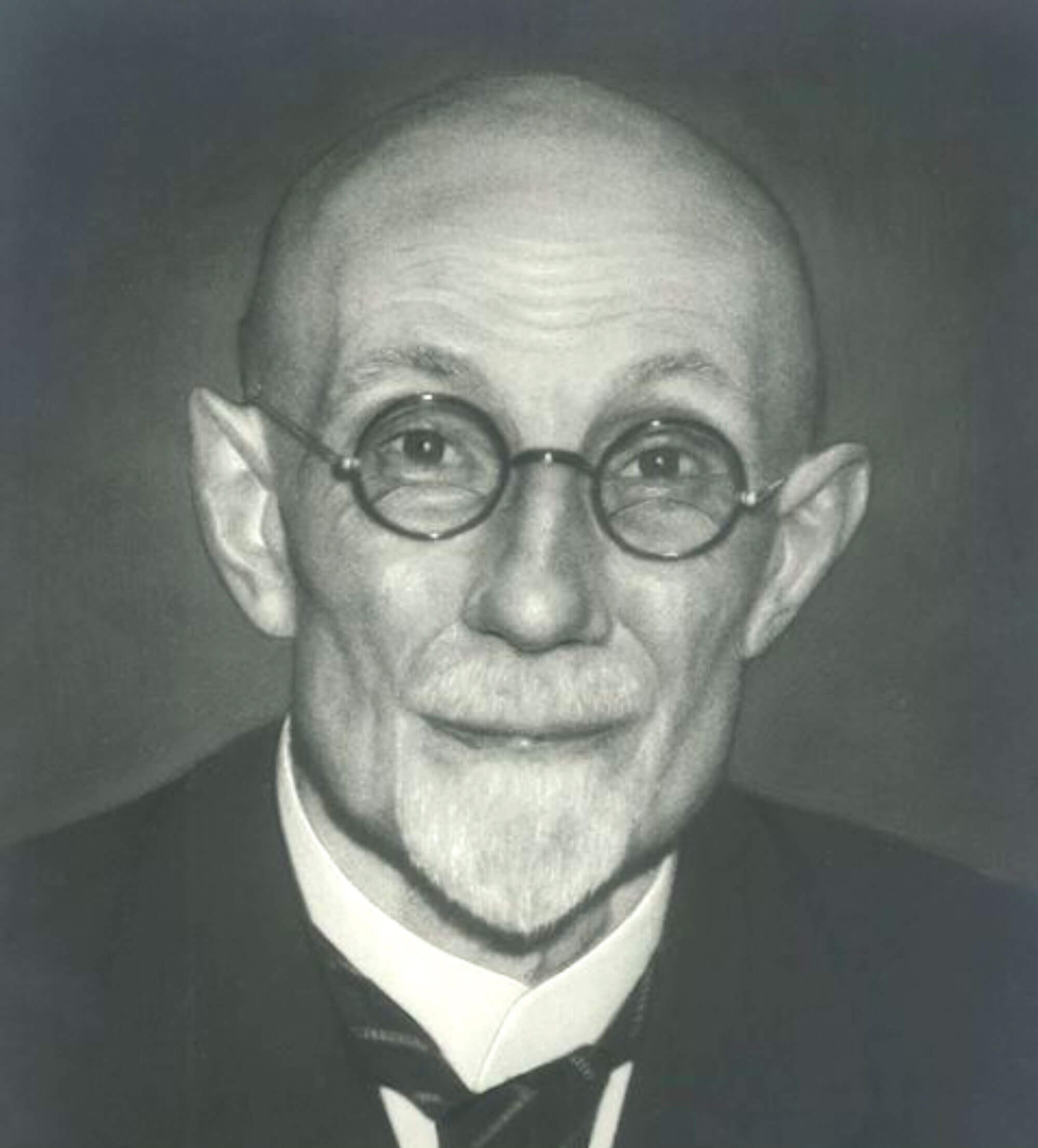
Figure 1: Dr Hubert Johann Leonard Struycken (1869–1950). (© Lübbers)
Struycken was born in 1869 in Elten on the Rhine and studied medicine at Groningen from 1887 to 1892. He received his doctorate in 1893 for a thesis on mucous cells in the rectal epithelium. He also learnt dentistry from his uncle, before spending a year working in a psychiatric hospital, where he campaigned for the abolition of straitjackets and improvements in the quality of food.
After a brief period as a general practitioner in Steenbergen in 1894, Struycken travelled to Göttingen, Berlin and Paris. He subsequently became a specialist in ear, nose, throat and eye medicine in Breda, North Brabant, in 1897. From 1905 until 1950, he ran his own small hospital there, assisted by his wife, who was a nurse, during surgical procedures.
A gifted designer, Struycken personally drew and developed many ENT instruments, both diagnostic and surgical. These included a nasal conchotome, tonsil forceps and a self-retaining laryngoscope. He developed a particular interest in hearing disorders, and his most famous invention was undoubtedly his modified monochord for hearing assessment (Figure 2).
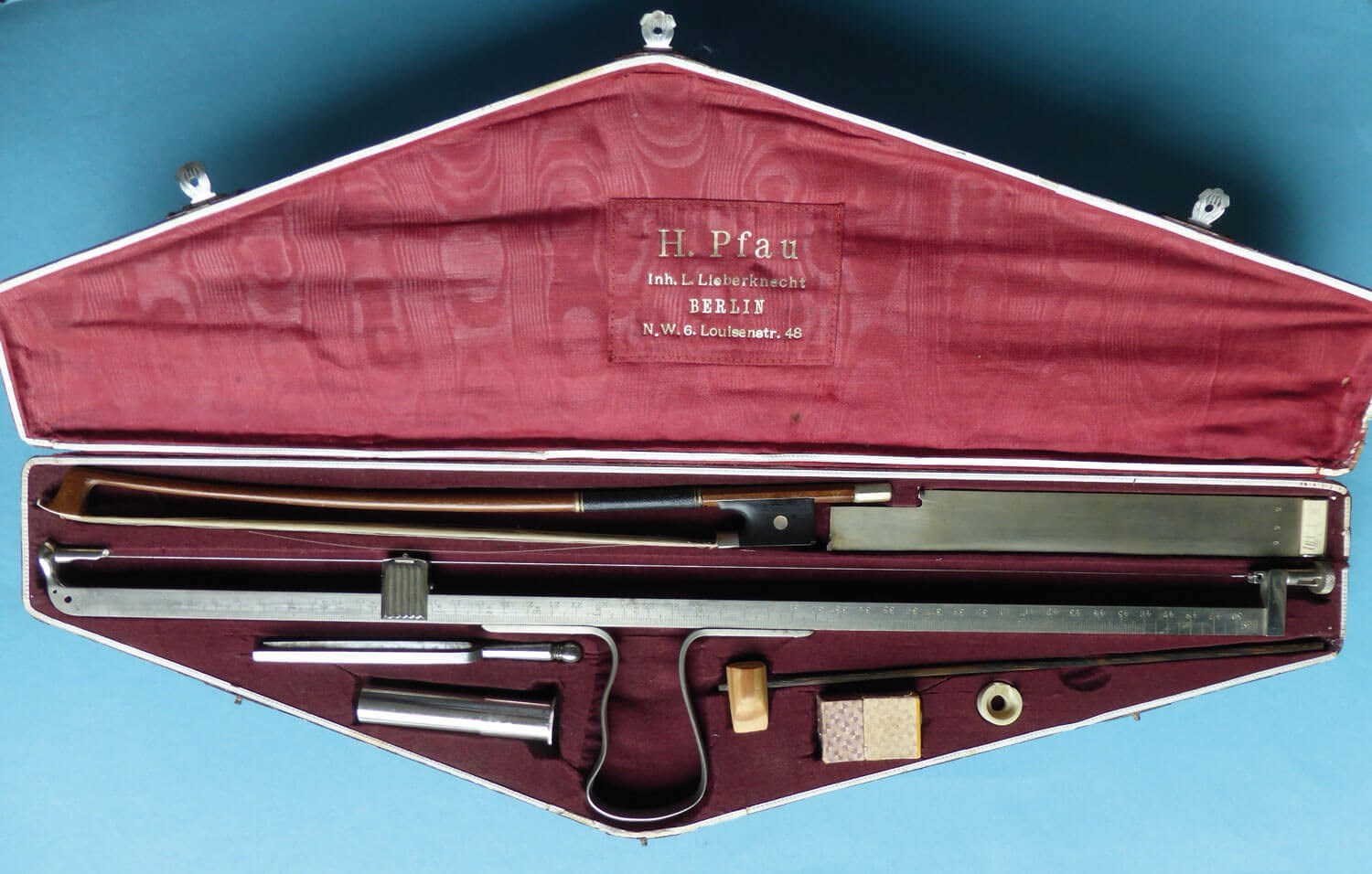
Figure 2: Well-preserved Struychen Monochord in original case. (© Lübbers)
Struycken later refined the instrument with the help of KL Schäfer, head of the Physiological Institute at the Ear Clinic of the renowned Charité Hospital in Berlin. The monochord itself was not a new concept: it had been known since ancient times, and the Pythagoreans had inherited it from the Babylonians. Struycken, however, transformed this simple musical instrument into a practical and indispensable hearing tester.
He produced all the technical drawings himself, and Pfau, a Berlin company with extensive experience and an excellent reputation, was the obvious choice to manufacture the instrument on a large scale. It consisted of a single piano wire stretched over a hollow, resonant box, with a movable bridge.
Fischer’s 1926 surgical instrument catalogue proclaimed: “The instrument is used to determine the air and bone conduction thresholds by means of longitudinal vibrations. In combination with Schäfer’s bow and hammer for transverse vibrations, all notes from the middle of the tuned octave up to the upper hearing threshold can be produced as a series of continuous notes.” (Figure 3).
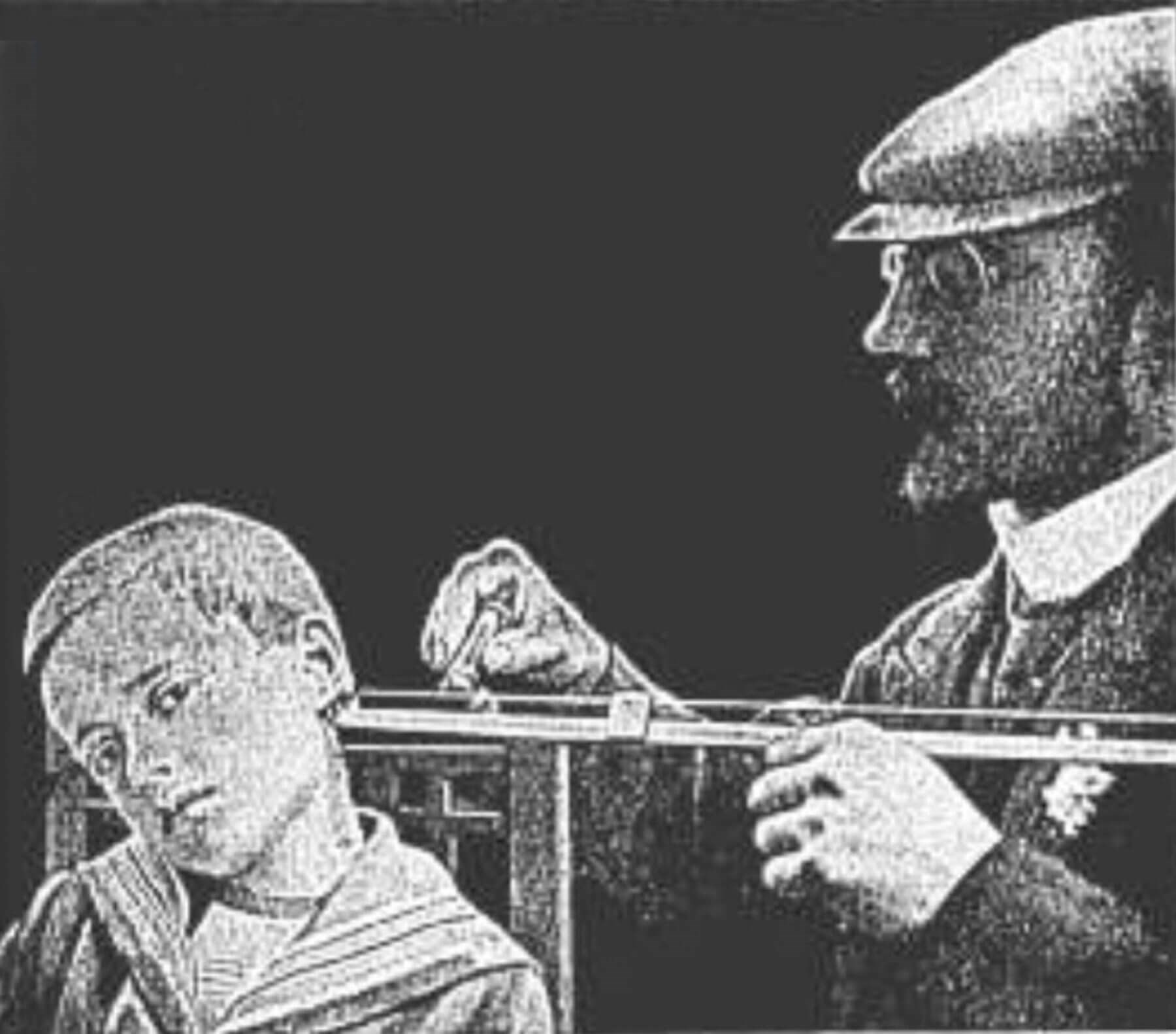
Figure 3: Professor Struycken using his monochord ‘audiometer’. (© Lübbers)
Struycken published more than 250 papers in German, Dutch and French. In 1949, in recognition of his contributions to otolaryngology, he was awarded an honorary doctorate by Leiden University. He died in 1950 in his beloved Breda at the age of 81, having led an extremely fulfilling life as a doctor, scientist and instrument designer.
In 1920, a complete Struycken–Schäfer monochord cost 125 German Reichsmarks (RM). This included a spare string, a small bottle of oil, a violin bow, a tuning fork and a tension gauge with its case. In today’s terms, this would be approximately €725 (£620) – quite a bargain for a complete audiometer!
Acknowledgements
The author would like to thank ENT Professor Dr Kees Graamans, Utrecht, for providing illustrations and information. Prof Graamans is a neighbour of one of Struycken’s grandsons, who now manages his grandfather’s estate. Another acknowledgment must go to John Riddington Young, FRCS, for putting my rusty school English into wonderful King´s English.