You searched for "reinnervation"
Endoscopic Dacryocystorhinostomy
Epiphora, or abnormal tearing, occurs because of blockage in the lacrimal drainage system, which impairs normal tear channeling into the nose. Dacryocystorhinostomy (DCR) is used to treat patients diagnosed with lacrimal sac or nasolacrimal duct obstruction (NLDO). External DCR was...The changing spectrum of cancer of the oropharynx: dilemmas and future directions
The association of HPV in oropharyngeal cancer has identified a ‘new disease’, with its unique biologic behaviour, and challenges for clinicians in selecting therapeutic combinations offering maximum efficacy and minimum morbidity or long-term sequela currently under study in clinical trials....Anaesthesia for sleep nasendoscopy and snoring / obstructive sleep apnoea surgery
Surgery for sleep disordered breathing inevitably requires surgeon and anaesthetist to share the airway. Here, Edward Bick gives us the anaesthetic viewpoint, reiterating that communication is the key. A specific note is made of the anaesthetic technique for sleep nasendoscopy,...
What about the older adults?
The authors of this paper propose that significant changes in the delivery of services, including speech and language therapy management of swallowing difficulties, may be required. Among the most common causes of dysphagia in older adults are stroke, progressive neurological...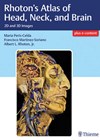
Rhoton’s Atlas of Head, Neck, and Brain
Albert Rhoton was a renowned American neurosurgeon with an intense interest in anatomy. This book was published after his death in 2016 and aims to continue Rhoton’s philosophy of patients benefit deriving from surgeons’ knowledge and understanding of complex anatomy....Returning to practice
Here, we provide a combination of written guidelines, podcasts and videos providing information on returning to practice and elective services during the COVID-19 pandemic. Resources will be updated as and when they become available. - Guidelines - 7 July -...