You searched for "America"

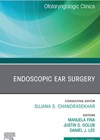
Management of patients with advanced otosclerosis
This paper discusses the management options of advanced otosclerosis. There are several definitions for advanced otosclerosis in the literature but, more recently, the diagnosis of advanced otoscletosis has been reserved for patients who have less than 30% aided speech discrimination...
Are ENT surgeons better placed to perform cosmetic ear, nasal and facial procedures?
Cosmetic surgery is an essential component of plastic surgery training and is required in order to CCT. However, the training opportunities in plastic surgery in UK are limited. The current operative requirements for plastic surgery trainees are 100 procedures during...
DVT prophylaxis in cranial procedures
Deep vein thrombosis (DVT) is a result of disturbed balances in blood flow patterns, blood clotting factors promoting coagulation and vessel wall endothelial injury. The subsequent disruption of coagulation and fibrinolysis mechanisms lead to venous clot formation and propagation. The...
Assessment and management of dysphagia in the elderly
This article covers dysphagia in older patients, which is an important topic due to an ageing population, and a relatively common symptom that we see in clinic. Dysphagia could be due to presbyphagia secondary to changes in head and neck...
Button batteries – how can we reduce harm to children?
This article explores the history of button batteries and how clinicians and industries alike could reduce the harm to children following ingestion. Following ingestion, if lodged, button batteries cause an alkaline reaction leading to necrosis of mucosa. Significant oesophageal injury...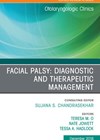
Surgical management of permanent facial paralysis
This article explores the management of flaccid facial palsy focusing on weakness less than one to two years’ duration. As a general rule, primary nerve repair produces the best outcome and should be performed where possible. For long-standing paralysis of...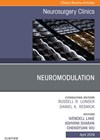
Peripheral nerve stimulation for chronic refractory pain
Peripheral nerve stimulation (PNS) plays an important role in treating chronic refractory pain syndromes that manifest in limited distributions and overlap with areas of neurologic innervation. The process is generally thought to capitalise on the inhibition and activation of pain-related...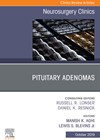
3D endoscopy in pituitary adenoma surgery
Endoscopic approach for pituitary adenoma surgery is well recognised. There has been recent refinement of 3D endoscopy technology which improves on the depth of vision offered and more compact delivery. This may improve visualisation of the critical structures involved in...
What to do if adenotonsillectomy does not cure sleep apnoea in children?
This article reviews the management of children with persistent obstructive sleep apnoea (OSA) following adenotonsillectomy (AT). Risk factors for patients to have persistent disease include obesity, being Afro-Caribbean and existing co-morbidities such as craniofacial and neuromuscular disorders. Initial assessment of...
Advances in neural stimulation of the auditory pathway
This article reviews the use of neuroprosthetic devices such as cochlear and auditory brainstem implants (ABI) to stimulate the auditory pathway, discussing the successes, limitations and advances in this area. Currently, neuroprosthetic devices deliver electrical impulses to the cochlear nerve...