You searched for "gender"

Sinusitis
This beautiful little book is produced by IAPO (Inter-American Association of Pediatric Otorhinolaryngology) and comes at a time when there is growing recognition of the role of nasal and sinus pathology in airway disease. Both adult and paediatic conditions are...
Does topical dual steroid therapy improve vertigo in refractory Ménière’s disease?
This prospective study investigated the role of simultaneous application of methylprednisolone and dexamethasone-soaked gelatin sponge to the endolymphatic sac surface and dexamethasone sponge to the short process of incus in 20 patients with refractory Ménière’s disease (MD) undergoing endolymphatic sac...
A Guide to the Fellowship of the Royal Colleges of Surgeons Examination in Otolaryngology
This book is a useful addition to the currently available revision resources for those preparing for the Part 1 FRCS otolaryngology examination. Its combination of mixed-topic questions in a mock exam format makes it unique compared to other MCQs books...
Lateral wall or perimodular? Perimodular!
In cochlear implant (CI) surgery, both lateral wall (LW) and perimodular (PM) electrodes have their advantages and disadvantages. The PM electrode was shown to have superior hearing outcomes. The disadvantages of the PM electrode, except for tip fold-over, were reduced...Inside the Larynx on Radio 3
Radio 3’s The Essay this week features Nicky Spence, operatic tenor and professor of voice, in conversation with our editor Declan Costello, ENT surgeon and one of Britain’s leading voice specialists.The emergence of in-office ventilation tubes for the treatment of otitis media in children
In-office tympanostomy tube systems offer a quicker, anaesthesia-free alternative to traditional surgery for children, with promising outcomes and reduced costs. Tympanostomy tube or grommet insertion is the most common surgery performed on children worldwide. Whilst a relatively short and straightforward...Doctors’ health and wellbeing: depression in surgeons
Dr Clare Gerada and Richard Jones work for the Practitioner Health Programme (PHP), a specialist service for doctors and dentists in the London area with mental health / addiction problems (www.php.nhs.uk). Here they discuss some of their preliminary findings (specific...European Audiologist of the Year Winner
Caring UK audiologist who went the extra mile wins major European award. A British Audiologist has been rewarded for her outstanding dedication to patient care with a prestigious European hearing industry award. Paula Cook of Aston Hearing in Amersham has...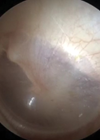
A ‘smarter’ way to examine the ear?
Otoscopes and endoscopes, essential tools for ENTs, audiologists, and general practitioners, are on the receiving end of a modern twist thanks to smartphone technology. Aimed at adapting smartphones for otoscopic and endoscopic imaging, these reimagined devices might just change the...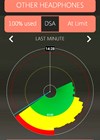
How loud is too loud? Smart ways to monitor noise exposure through your headphones
As an audiologist, an increasingly common concern patients have is noise exposure from their headphones and how it will impact their hearing over time. It’s a legitimate worry considering the average adult is streaming audio content on their mobile devices...