
You searched for "Paediatric"
Early detection pathways for congenital cytomegalovirus for infants referred from the newborn hearing screen
This article discusses requirements for an early congenital cytomegalovirus (cCMV) detection pathway to ensure children do not miss out on the opportunity for timely diagnosis and treatment. The pathways described are currently in use in England and apply to well...20th National ENT Masterclass ®
Asad Qayyum, Consultant Otolaryngologist, Peterborough, UK The 20th National ENT Masterclass® took place over two days at the historic Royal Society of Medicine (RSM) in central London. It marked a major milestone – the 20th anniversary of this flagship training...Sleep apnoea in children with craniofacial syndromes
Whilst snoring and obstructive sleep apnoea are relatively common diagnoses in paediatric ENT, children with craniofacial syndromes take the problem to the next level. Robert Nash and Michelle Wyatt describe the Great Ormond Street multidisciplinary approach to treating this complex...Monika Matusiak given associate professorship by World Hearing Centre
The World Hearing Centre of the Institute of Physiology and Pathology of Hearing, Warsaw, Poland is now eligible to award an academic degree and the first nominee to receive such promotion is Dr Monika Matusiak.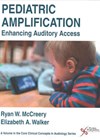
Pediatric Amplification: Enhancing Auditory Access
The authors of Pediatric Amplification: Enhancing Auditory Access set out to provide a comprehensive resource for professionals who serve children who are hard of hearing and their families and caregivers, and they have delivered it. The book is easy to...
You’re under arrest, you damned post-tonsillectomy bleed!
Tonsillectomy is a common, well-tolerated procedure most commonly performed in children for recurrent tonsilitis and sleep apnoea. Post-tonsillectomy bleeding (PTB) is a relatively uncommon complication that poses significant risks to patients and high rates of readmission and reintervention. Institutional guidance...
eSRTs versus eCAP: Which is better?
Electrically evoked compound action potentials (eCAP) and electrically evoked stapedius reflex threshold (eSRT) techniques were compared to establish how well the two techniques correlated and which yielded quicker results in a group of paediatric cochlear implant (CI) users. This team...
Do we need to intervene after complications of acute sinusitis in children?
omplications of acute sinusitis in children are not uncommon and some are managed surgically. The authors of this paper reviewed their experience of subsequent chronic rhinosinusitis (CRS). Nine of 86 patients required surgery in the 12 months after their initial...
Auditory-Verbal Therapy for Young Children with Hearing Loss and Their Families, and the Practitioners Who Guide Them
This book is well written but a little too wordy and technical for the wide range of people that it is intended. Each chapter is broken down into readable sections and is very well-referenced throughout the text and very comprehensibly...Balance and vestibular disorders in children
Discover the world of paediatric vestibular assessment and management from the team at Alder Hey Children’s Hospital, which is revolutionising services in this field. Dizziness and balance problems generate significant morbidity in children of all age groups. Vestibular disorders are...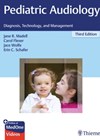
Pediatric Audiology: Diagnosis, Technology and Management – Third Edition
Our departmental library has a copy of the first edition of this text, and on the odd occasion it’s not booked out to a student, it makes a very handy reference text to dip in and out of. Having recently...


