
You searched for "pharyngeal"

Gastrostomy tube dependence following TORS
Transoral robotic surgery (TORS) for oropharyngeal squamous cell carcinoma (OPSCC) is now a well-established treatment modality for early (T1-T2) disease. Accumulating evidence suggests that one of its main benefits relative to conventional chemoradiotherapy is superior long-term functional outcome, especially with...
Does transoral robotic surgery improve outcomes among patients with head and neck cancer of unknown primary?
A tonsillectomy and tongue base mucosectomy is becoming increasingly accepted as the optimal surgical intervention to aid in identifying the primary source of a p16+ / HPV-related squamous cell carcinoma (SCC) of unknown origin, given that this disease almost exclusively...
What is the relationship between swallowing difficulties and underlying mental health issues?
People living with dysphagia often experience mental health difficulties. This study aimed to identify whether pre-existing anxiety and depression impacted patient scores on a patient-reported swallowing outcome measure, the Eating Assessment Tool (EAT-10) where a score of ≥3 is indicative...
Reducing pulse rate in videofluoroscopy: less is not best!
Recently, there has been increasing discussion in clinical meetings about the use of ionising radiation in swallowing assessments and the associated cancer risks. This is therefore a timely publication to inform discussions around whether reducing pulse rate from 30 pulses...
Predicting aspiration pneumonia in adults
Aspiration occurs when oropharyngeal or gastric contents are inhaled into the larynx and lower respiratory tract. When the aspirated material is colonised by pathogenic microorganisms, this may result in aspiration pneumonia. In contrast, aspiration of sterile gastric contents may lead...HPV – why equitable protection matters
Human papillomavirus (HPV) is one of the most common viruses in the world, with most people acquiring it during adolescence or early adulthood, often without ever knowing it [1]. HPV lives in the skin and the mucosal linings of the...
Role of intranasal steroids after radiotherapy for nasopharyngeal carcinoma
Rhinosinusitis often follows radiotherapy in the treatment of carcinoma of the nasopharynx. The interval and severity may vary with the dose of radiation and stage of the carcinoma. In this randomised, controlled study, patients who developed rhinosinusitis after radiotherapy treatment...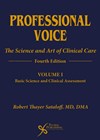
Professional voice: the science and art of clinical care – Fourth Edition
The field of laryngology has vastly expanded over the last 30 years and this latest edition illustrates its continuing evolution. This three-volume edition has been updated and expanded with the addition of 20 new chapters, including paediatric voice disorders and...
Laryngeal Physiology for the Surgeon and Clinician – Second Edition
This second edition is a short (110 pages), succinct and concise book. I don’t usually like reading physiology textbooks, but I found this one very interesting. It is written in a manner which is easy to read and digest. It’s...
Should we routinely perform steroid injections following microlaryngeal excision of benign lesions?
This retrospective cohort study assessed a single surgeon’s outcomes before and after the routine administration of intralesional triamcinolone following microsurgical removal of benign vocal fold lesions (polyps, nodules and cysts). A total of 211 patients were recruited for the study....
What is the optimum duration of voice rest after microlaryngoscopy procedures?
Recent survey data looking at the opinions and practices of otolaryngologists in the US and the UK demonstrate that there is a wide variation in recommendations made for voice rest after vocal fold surgery. In the US, the most common...


