
You searched for "diagnosis"

Evidence for diagnostic role of narrow band imaging in the outpatient setting for head and neck squamous cell carcinoma
Narrow band imaging (NBI) uses light in the blue and green spectrum to differentiate areas of carcinoma from normal or inflammatory tissue. This tertiary referral head and neck unit in Spain used white light endoscopy as initial screening for all...
Beware of GPA as a cause of subglottic stenosis
Up to 92% of patients with granulomatosis with polyangiitis (GPA) have concurrent ENT manifestations of the disease. Whilst we are familiar with sinonasal and middle ear presentations of GPA, subglottic stenosis (SGS) is another important and potentially life threatening manifestation....
Recurrent ENT infections in children – is it a sign of primary immunodeficiency disease?
ENT clinicians often come across children with recurrent ear, sinus and pulmonary infections. These recurrent infections, albeit common in childhood, can represent an early sign of primary immunodeficiency diseases (PIDD). PIDD is an underdiagnosed group of genetic disorders involving absent...BAAP Audit Meeting 2026
Lara Carvalho Sauer, ST7 Audiovestibular Medicine resident, St George’s hospital, UK The annual BAAP Audit Meeting was hosted by Reeya Motha, consultant audiovestibular physician at Barts Health NHS Trust. There were 48 attendees this year, including audiovestibular medicine (AVM) consultants,...Will it ever happen?
Audiology is a rapidly evolving field, with many exciting developments on the horizon. David Baguley identified some topics of interest, and asked some international experts ‘will it ever happen?’ Gene therapy for deafness After years of development, gene therapy for...
Basic Otorhinolaryngology – Second Edition
The second edition of Thieme’s Basic Otorhinolaryngology, as the name suggests, is indeed a step-by-step learning guide for medical students and physicians seeking basic information related to the subject. It comes in an easy-to-learn and user-friendly format, introducing the reader...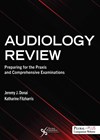
Audiology Review: Preparing for the Praxis and Comprehensive Examinations
This book is a well-structured and thoughtfully compiled resource aimed at students preparing for audiology examinations. While primarily tailored to the Praxis exam in the United States, its content remains broadly applicable to an international audience, including students in the...
Monitoring the mouth in ALS
Amyotrophic lateral sclerosis (ALS; or motor neurone disease) is characterised by gradual loss of function in the speech muscles resulting in a progressive deterioration in a person’s ability to communicate. The aim of this study was to investigate the use...
Prolactinomas: when to operate
Prolactinomas are the most common functional pituitary adenomas, comprising 40% of all pituitary adenomas. There are consensus guidelines and several common management pathways. This article discusses the role of surgery for these patients. Following diagnosis, the goals of treatment are...Minimise waiting times with Peptest!
In laryngopharyngeal reflux (LPR), refluxed stomach contents travel up the oesophagus and reach the larynx, causing chronic extra-gastrointestinal symptoms such as a persistent cough, hoarseness or difficulty swallowing, meaning it is often attributed to ENT problems.Peptest™ takes centre stage: join BIOHIT HealthCare at the top UK ENT meetings in 2024
BIOHIT HealthCare is excited to be attending several of the most prestigious ENT meetings across the UK in 2024.


