You searched for "emergency"
Audiological approach to treatment of blast-induced tinnitus
Hearing loss and tinnitus resulting from blast waves in the war zone is becoming more common in our clinics. Hamid Jalilvand based in Tehran, shares his experience in audiological rehabilitation and research findings on patients in his clinics with a...Mind the gap – developing a sustainable pipeline for hearing therapeutics
In this article, the authors describe three key challenges faced in developing hearing therapeutics. Collaboration between companies, sectors and disciplines will be key to finding solutions. The unmet need for therapies for hearing loss grows apace, with prevalence rising across...Hearing loss prevention in musicians - violating one rule of physics
Whilst enjoying music, we also need to be mindful of the potential effect of producing music for the musician. Dr Chasin discusses the development of earplugs for the industry with the added bonus of physics for party goers! Hearing protection,...Auditory brainstem implant results in adults and children
Background The auditory brainstem implant (ABI) has been developed from cochlear implant (CI) technology and is indicated for people who have anatomical abnormalities of the cochlea or dysfunction of the auditory nerve. The majority of people who have received an...Royal Society of Medicine – new presidents, new programme
Exciting changes are occurring at the ENT section of the Royal Society of Medicine over the next academic year. Professor Peter Rea and Professor Claire Hopkins, the incoming presidents of the Otology and the Laryngology & Rhinology Sections, have come together to create a combined programme.
Vascular Lesions of the Head and Neck: Diagnosis and Management
The primary authors, all working out of New York, have successfully published this up to date text on vascular lesions of the head and neck. The book provides a review of the pathology, basic science, radiologic features and treatment modalities....
A Dictionary of Hearing
This book is aimed at students and professionals working in the fields of otology and audiology. It would be suitable for audiologists, nurses and doctors, teachers of the deaf and speech and language therapists. The price is set at £36.99,...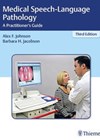
Medical Speech-Language Pathology: A Practitioner’s Guide
Medical Speech-Language Pathology: A Practitioner’s Guide is an informative and comprehensive guide to differential diagnosis, assessment and management of communication and swallowing disorders in the medical setting, which includes consideration of adult patients from early diagnosis to end of life....