You searched for "Ossicular"

Nasal allergies and OSA
The first day of June is the meteorological start of summer. As a moderately wet spring slowly blurs to (a damp UK) summer, we can look forward to holidays in the countryside, enjoying the changing pollen seasons from tree to...Genetics WG4. Improving diagnosis and drug development through the genetic understanding of tinnitus subtypes: a TINNET endeavour
Christopher R Cederroth and Jose Antonio Lopez-Escamez explain how progress is being made to investigate the contribution of genetic factors to tinnitus, including a subtype of ‘extreme’ tinnitus in Ménière’s disease. Genetics WG4 is working towards determining the genetic basis...BACO International 2018: Key Speakers
Prof Aldo C Stamm, MD, MSc, PhD Anatomy of the paranasal sinuses and skull base, and breaking the paradigms in severe spontaneous epistaxis It is a true honour to participate as an invited faculty member at the upcoming BACO International...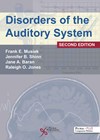
Disorders of the Auditory System – Second Edition
This book covers a wide range of auditory-related disorders that are primarily aimed at providing information to students but also other healthcare professionals in related fields. The comprehensive information of many auditory disorders is supported with case studies and pictures...
International classification of BPPV
In the past few years, the Bárány Society has made great strides in defining and classifying vestibular disorders along the lines of the international classification of diseases. This article addresses the diagnostic criteria for BPPV, the commonest cause of vertigo....
Perception of verticality during attacks of Ménière’s
Ménière’s disease (MD) affects the cochlea and all peripheral vestibular receptors. The perception of verticality, a function of the utricle, is evaluated by the subjective visual vertical (SVV) test. The authors studied SVV in two groups of MD patients: a)...
Reliability of Koos classification
Vestibular schwannoma (VS) tumour size has been considered the primary determinant of hearing outcomes and facial nerve function according to several published studies. Varying methods are used to estimate the size and volume of the VS with very little consensus...
Follow-up of NF2 patients with ABRs, SDS and MRI
Hearing loss is one of the earliest manifestations in vestibular schwannomas with 60% of the patients having high frequency loss. Several metabolic and mechanical factors influencing the cochlea and cochlear nerve have been implicated in the hearing decline noted in...
Salvage surgery vs. repeat stereotactic radiosurgery for progressing vestibular schwannomas
This large multicentre case series of patients treated twice with stereotactic radiosurgery (SRS) for progressing vestibular schwannomas (VS) is reported by the International Gamma Knife Radiosurgery consortium. Progression of tumour growth after primary SRS is rare but does occur. Complications...
Does Koos classification predict facial nerve dysfunction?
The Koos classification is a grading system used often for preoperative evaluation of acoustic tumours on imaging studies. It indirectly correlates to the size of the tumour. Size of the vestibular schwannoma is often considered the main determinant for hearing...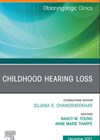
All you need to know about childhood hearing loss - an update
This is an excellent update on childhood hearing loss. It is a comprehensive collection of five chapters, providing a summary of a broad range of practice guidelines to inform screening, diagnosis, and management of hearing loss in children. It has...