
You searched for "nasal"
Safety recommendations for ENT surgeons during the COVID-19 pandemic
Physicians and other healthcare workers who perform and participate in examinations and procedures within the head and neck region and airway are at particularly high risk of exposure and infection from aerosol and droplet contamination. Authors have developed recommendations to...
Olfactory disorders in COVID-19
This Turkish prospective longitudinal observational study evaluated olfactory disorders (OD) and recovery processes in patients with COVID-19 infection at three time points within the first month of diagnosis: time of diagnosis with positive PCR test; time of first negative PCR...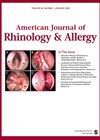
Age is not an issue in sinus surgery
We have an increasingly aged population, and hence older and older patients are presenting with sinonasal issues and the potential need for endoscopic sinus surgery (ESS). The authors sought to identify if older patients (age >70) have more complications post...
Argon plasma coagulation for epistaxis in HHT
In this study from the Czech Republic, the authors looked at the effectiveness of argon plasma coagulation (a non-contact form of monopolar electrocoagulation) in treating recurrent epistaxis in patients with hereditary haemorrhagic telangiectasia (HHT). The advantage of argon plasma coagulation...
Does endoscopic sinus surgery for chronic rhinosinusitis improve COPD?
Chronic rhinosinusitis (CRS) can be associated with asthma, with a reported frequency of asthma in patients with CRS of up to 44%. COPD is another lung condition that can be associated with CRS. This longitudinal study reviewed the nasal and...
Can ‘cone beam CT scan’ (CBCT) facilitate one-stop rhinology clinic?
Chronic rhinusinusitis can be diagnosed on the basis of its classical symptoms such as nasal obstruction, facial pains, postnasal drip and hyposmia, supported by endoscopic findings such as oedema of middle meatus, mucopus and polyps. However, CT scan findings are...
How best can we manage Samter’s Triad/AERD?
The classic ‘Samter’s Triad’ of asthma, chronic rhinosinusitis with nasal polyposis (CRSwNP), and aspirin sensitivity is now referred to as aspirin-exacerbated respiratory disease (AERD) or non-steroidal anti-inflammatory-exacerbated respiratory disease. We often come across in our rhinology setting, patients with recalcitrant...
A systematic review of adjunctive probiotic therapy in the management of chronic rhinosinusitis
It is generally understood that administering substances containing live microbiologically active micro-organisms (probiotics) enhances the treatment of chronic rhinosinusitis. Probiotics manipulate and rebalance the alterations occurring in the local microbiome in chronic rhinosinusitis patients. This results in propagation of healthy...
THRIVE: redefining airway management in endoscopic oesophageal surgery
Transnasal humidified rapid insufflation ventilatory exchange (THRIVE) is no longer just a tool to help anaesthetists secure a difficult airway. Thanks to the work of authors like Yang and colleagues, it is being revolutionised to provide apnoeic oxygenation during endoscopic...


