
You searched for "medialisation"
Does diet have a role in the prevention of tinnitus?
Tinnitus, diet and healthy ageing Despite the high prevalence of tinnitus, its exact aetiology remains unclear. Research has explored the role of various biological pathways in the development of tinnitus including age-related changes in the auditory system, impaired vascular function,...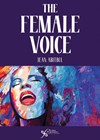
The Female Voice
The title of this book is enough to intrigue anyone with an interest in voice, be it laryngologists, speech and language therapists or professional voice users. The text does not disappoint; Jean Abitbol takes us through a fascinating tour of...
Stimulation for a good night’s sleep
This article was an interesting read. It is an update from the authors’ original paper printed in the NEJM in 2014 regarding the results of an implantable pulse generator (IPG) for stimulating the hypoglossal nerve in response to respiration. This...
Quinsy and culture
Peritonsillar abscesses are frequently encountered in clinical practice. Standard treatment includes empirical medical treatment and drainage. This study aimed at evaluating the value of culture and sensitivity testing of the aspirate in guiding antibiotic treatment. Patients received empirically amoxycillin, amoxycillin...
A comparison between artificial and cadaveric temporal bones in terms of providing realistic setting and structural details
Increasing difficulties, costs and risks of infection have led to the use of artificial temporal bones for training in mastoid and middle ear surgery. Whether these provide a realistic learning environment (face value) and offer structural details to learn from...Aetiology, investigation and acute management of sudden sensorineural hearing loss
The cause of a single sided sensorineural hearing loss has a wide variety of aetiologies. This review, by Edwin Halliday, looks specifically at the differential diagnostic causes of a sudden sensorineural hearing loss, the relevant investigations and the management should...Starkey Hearing Institute - Zambia: Bridging the Hearing Health Access Gap in Sub-Saharan Africa
Here, we continue exploring audiology training routes across the world with a focus on bridging the Hearing Health Access Gap in Sub-Saharan Africa. This article is provided by Alfred Mwamba, AuD, who is the Executive Director for the Starkey Hearing...Funding your otolaryngology / audiology idea by partnering with the US Department of Defense
The United States Department of Defense (DoD) has been an effective partner in many of our current medical technology advancements, from the surgical robot, to improved clotting wound dressings, to better blood products. For the otolaryngology and audiology entrepreneur looking...Moving forward for better communication for the Deaf and hard of hearing – Wavefront Centre
Now more than ever, guaranteeing accessibility and inclusion is a vital need for people of all abilities. The Wavefront Centre for Communication Accessibility in Vancouver, BC, is a model on to how to effectively address these issues and serve the...


