
You searched for "stutter"

Comprehensive Management of Swallowing Disorders – Second Edition
On first glimpse this 548-page A4 book looked like it was going to be a nightmare to review, but once I started reading, I was pleasantly surprised. This is the second edition of this American book with the first edition...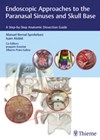
Endoscopic Approaches to the Parsanasal Sinuses and Skull Base
This is an excellent book to cover the endoscopic approaches to the paranasal sinuses and skull base with a step-by-step anatomic dissection guide. The editors are a group of eminent skull base otolaryngologists and neurosurgeons in Barcelona, Spain, and they...
On-call in ENT Surgery
The On-call in ENT Surgery, as part of the On-call Series, is written explicitly as the “survival guide” for all junior doctors starting out in ENT or as “a tool to aid consolidation of knowledge gathered by more senior ENT...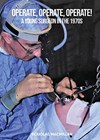
Operate, Operate, Operate! A young surgeon in the 1970s
The book is a memoir of Douglas MacMillan’s experiences as a young surgeon in the 1970s. MacMillan describes his journey from medical school to training and becoming a consultant ENT surgeon. He shares stories about his challenges as a young...
Paediatric hearing following chemotherapy
This study examined the effect of platinum compounds on hearing in 104 children with solid tumours. As would be expected, this group was heterogeneous and included a range of ages, tumour types, chemotherapeutic agents and dosing regimens. Age-appropriate audiometry was...
Controlling tinnitus
The absence of sufficient evidence for the use of integrated sound generators for the management of tinnitus led the authors to conduct a randomised blind clinical trial in which they compared the use of a conventional hearing aid with a...
Successful laser treatment of a laryngeal cause of dizziness
Dizziness is often considered to be a condition that is best managed by physicians or otologists. This case report describes an unusual cause of presyncope successfully treated by a laryngologist. The patient in question was a 45-year-old member of the...
CRSwNP initiation, not always an interleukin fault
CRSwNP, similar to asthma, is an inflammatory disorder (type II) with eosinophilia and raised IL-5 and IL-13. Inflammation in CRSwNP is thought to be started by IL-25, IL-33 and thymic stromal lymphopoietin (TSLP), all of which form an important part...
Back to the future: aphasia therapy post stroke
When speech and language therapist first started working with people with stroke-related aphasia, they employed a general stimulation approach, the same with every patient they met. In the '70s this changed, and a more tailored approach was developed whereby therapists...
The right to choose: stories from the rare dementias
People with primary progressive aphasia (PPA) experience an insidious onset and gradual decline in language on a background of lesser or no cognitive impairment, hence a language-led dementia. There are three different PPA variants that correspond with three different clinical...


