You searched for "Breathing"
OBITUARY: Alain Sémont (1944–2026)
French physiotherapist Alain Sémont died in Pornichet, France, on 8 August 2026, aged 81. One of the pioneers of vestibular care, he helped establish vestibular rehabilitation as a distinct clinical discipline and his name is attached to an established treatment...
The Performer’s Voice – Second Edition
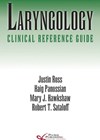
The editors of this 450-page book are amongst the most respected laryngologists in the world, with a vast amount of experience between them. It is therefore no surprise that they have put together a very comprehensive and well thought-out book....Congenital CMV: investigations and management in the audiology setting
Congenital cytomegalovirus (cCMV) is the only cause of congenital sensorineural hearing loss (SNHL) for which there is a medical treatment available to prevent further hearing loss. Dr Simone Walter discusses cCMV infection, cCMV-related hearing loss, and how to facilitate their...Implicit bias in audiology and wider healthcare
What is implicit bias and how might it affect patient outcomes in hearing healthcare? Yovina Khiroya provides insight into the terminology and the effect on people and service delivery. As much as possible within healthcare, we try to reduce implicit...
Safeguarding Physician Wellbeing: Using Checklists for Personal, Professional and Psychological Safety
‘Checklists’ in the operating room make for safer surgery, better handovers and improved patient care. Can we apply the principles we have learned since Atul Gawande and the WHO pioneered this approach to surgery to our own wellbeing as doctors,...The search for pharmacological treatments for hearing loss and tinnitus
Where are we in our search for a hearing restoration grail? Nicola Robas leads us through the map pieces discovered in creating a pharmaceutical answer to hearing loss and tinnitus. Together, hearing loss and tinnitus affect over one in six...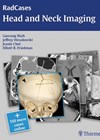
RadCases Head and Neck Imaging
This is one of a series of books published by Thieme which are written for trainees in radiology. The depth and breadth would suit a higher-level trainee with an interest in head and neck imaging coming up to exit examinations...