
You searched for "treatment"
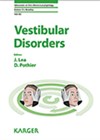
Vestibular Disorders
This is an excellent compendium of vestibular disorders, edited by two of the leading figures in otolaryngology. It is also a tribute to one of the most extraordinary colleagues, David Pothier, plucked tragically in his prime after a heroic battle...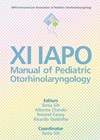
XI IAPO Manual of Pediatric Otorhinolaryngology
The XI IAPO Manual of Pediatric Otorhinolaryngology is a very useful resource for all practitioners working in an ENT-related field that wish to be kept informed of the latest research and development in paediatric ENT. This is published by the...
Hearing Loss – Fifth Edition
The updated fifth edition of Hearing Loss extensively covers the anatomy, physiology, diagnosis and treatment of hearing loss, providing clinicians with valuable insights based on the latest evidence and literature. The book notably includes expanded chapters on tinnitus, dizziness and...
Which self-reported tinnitus and hyperacusis questionnaires are useful?
Tinnitus and hyperacusis may have very negative psychological side-effects. Due to their subjective nature it is important to have appropriate tools to assess them. In addition to the routine questionnaires such as THI, HQ, ISI, HADS or VAS, the authors...
No increase in papillary thyroid cancer during pregnancy
This small study of 19 pregnant patients, who were diagnosed with papillary thyroid cancer before or during the early stages of pregnancy (up to 20 weeks), assessed the changes of thyroid tumours during pregnancy. Conducted at a single centre over...
Healthcare economics and device approvals
We use several FDA-approved devices in our clinical practice but are rarely aware about the stringent procedures followed by manufacturers, as well as the FDA, before the devices become commercially available. The authors of this paper undertook a comprehensive review...
Poor allergic rhinitis control increases the overall costs
Allergic rhinitis and asthma are common and can have significant effects on quality of life. However, not many studies have focused on the economic effects. The authors of this study performed a large-scale (over 60,000 patients) observational study to analyse...
Diagnosis of obstructive sleep apnoea hypopneoa syndrome (OSAHS) without sleep studies
Polysomnography is considered the ‘gold standard’ in the diagnosis of sleep apnoea but it is expensive and difficult to perform in children. Diagnosis based on subjective judgement is often inaccurate. An accurate diagnostic scale based on clinical parameters could obviate...
Saline irrigation in CRSwNP after surgery
This article, largely from Germany, aims to prove the effectiveness of nasal saline irrigation in postoperative patients with CRS with nasal polyps. A prospective, single blinded randomised trial was designed with an irrigation and non-irrigation arm. Patients who underwent sinonasal...
FESS for recurrent acute rhinosinusitis: at last, some data
As noted in both the EPOS 2012 and in the (more recent) ICARS 2016, there is a paucity of evidence on the effectiveness of surgery for recurrent acute rhinosinusitis (RARS). The authors used a control group of patients with CRSsNP,...
Reconstruction with scapular tip following hemimaxillectomy and rehabilitation with dental implants
Post ablative defects in the maxilla can be extremely complex, involve all three dimensions and may result in significant morbidity. Rehabilitation may be difficult with either an obturator or surgical reconstruction with a free fibula, Iliac crest or scapula. This...


