

Audiology features

How neuroimaging has changed our understanding of tinnitus
Brain imaging advances are revealing tinnitus-related neural networks, shedding light on its pathophysiology, heterogeneity and potential therapeutic targets. Tinnitus is a highly common but poorly understood disorder [1]. Its subjective nature and the fact that its treatment may span multiple...

How sight shapes sound: cross-modal plasticity and cochlear implantation
Visual cues support auditory recovery after cochlear implantation, with evidence showing cross-modal plasticity enhances speech perception and rehabilitation outcomes. Traditionally, clinical guidance around cochlear implantation has been shaped by a key concern: that reliance on visual communication, particularly speechreading, might...
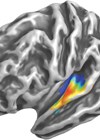
What does functional neuroimaging tell us about tinnitus?
One of the most common causes of tinnitus is noise exposure, be that either cumulative day-to-day exposure over a lifetime or experience of acute noise trauma such as a loud concert or shooting incident. Observational data indicate that up to...




