
You searched for "prevention"

Bothersome ‘burping’ – speech therapy may help
Most people experience belching as a normal phenomenon, often after eating or drinking carbonated drinks in particular. However, separate to this normal physiological phenomenon, some people experience belches that can occur much more frequently (up to 20 times a minute)...
Can amplification preserve auditory function?
Hearing loss is a noted modifiable risk factor for dementia, and is also associated with depression, decreased quality of life and isolation. Hearing aids are the main intervention for presbycusis and a 2017 Cochrane Review showed that they have a...
Allergen specific subcutaneous immunotherapy helps in prolonged control of allergic rhinitis
One of the commonest allergens involved in perennial allergic rhinitis is house dust mite. A good proportion of these cases prove intractable to treatment with oral and intranasal antihistamines and intranasal steroid sprays. Immunotherapy is considered a useful alternative and...Silent crisis: the exodus of hearing healthcare professionals from the Philippines
The migration of Filipino audiologists and otolaryngologists abroad is worsening the shortage of hearing specialists. Improving local conditions is vital to retaining talent. As ear and hearing healthcare professionals practising in the Philippines, we have seen the struggle in keeping...In conversation with Prof Metin Önerci
Prof Valerie Lund caught up with friend and colleague, Prof Dr Metin Önerci, to discuss his various positions in rhinology, the FOAM programme with which he is involved, and rhinology in Turkey and the Balkan and the Central Asian region....Genetic discovery using animal models: presbyacusis
By their very nature, late-onset hereditary disorders offer a large window of opportunity for therapeutic intervention. However, before we can begin to think about strategies we need knowledge of the genetics and pathology underlying the condition. In this article we...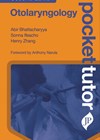
Pocket Tutor Otolaryngology – Second Edition
The Pocket Tutor series has succeeded again with a visually different second edition of Otolaryngology. Mr Bhattacharyya has now joined with fellow ENT Consultant, Ms Ifeacho and ENT trainee, Mr Zhang, to produce a revised pocket companion fit for the...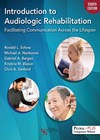
Introduction to Audiologic Rehabilitation: Facilitating Communication Across the Lifespan – Eighth Edition
The eighth edition of Introduction to Audiologic Rehabilitation is an invaluable and highly informative resource for anyone involved in the field of audiology and speech-language pathology. Designed to accommodate undergraduates, graduates and experienced clinicians alike, this textbook skilfully bridges the...
Post-operative tonsillectomy bleeding with a normal clinical exam
Tonsillectomy is amongst the most common surgical procedures performed across the western world. For patients who report bleeding post-tonsillectomy, but have no clinical findings on examination, the management can be unclear. The accepted current management in most centres would be...
SCC of pinna – which histological features could predict prognosis?
Cutaneous squamous cell carcinoma (SCC) of the pinna is reported to have a higher rate of metastasis than cutaneous SCC originating from elsewhere - up to 16% compared with less than 2% for the latter. The authors aimed to assess...
Use of topical steroids and antibiotics, compared to systemic antibiotics in the treatment of acute rhinusinusitis
Acute rhinusinusitis is mainly initiated by viral infections. Bacterial infection is usually superadded. The inflammatory cascade upregulates the pro-inflammatory mediators resulting in pain, nasal obstruction and nasal discharge. Local application of steroids and antibiotics could provide a higher concentration of...


