
You searched for "ERS"
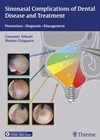
Sinonasal Complications of Dental Disease and Treatment: Prevention - Diagnosis - Management
As otorhinolaryngologists, we are trained to examine the computed tomography (CT) scans of all patients with maxillary chronic rhinosinusitis (CRS) for potential dental disease. The mainstay of managing this is generally limited to referring the patient to their dentist or...
Measuring is understanding: an unsupervised PROM clustering of CRS patients
It has been clear for quite some years, at least for anyone dealing daily with chronic rhinosinusitis (CRS) patients, that CRS is an ‘umbrella’ diagnosis. There are significant differences between patients, including different demographic data, different endoscopic and radiographic images,...
Treatment algorithm for olfactory disorders
The purpose of this paper is to review the current evidence in diagnosing olfactory disorders and suggest an algorithmic approach to patients with relevant complaints. Age-associated olfactory loss is often multifactorial and requires a careful history and physical exam. A...
CRSwNP and smell – is it just the obstruction?
Anosmia and hyposmia are symptoms of CRS both with and without nasal polyps and can significantly affect quality of life. The nature of anosmia/hyposmia is thought to be both sensory-neural and conductive. These authors studied a mouse model in which...
Simple preoperative tests predicting outcomes for ESS patients?
We are all familiar with patients suffering extensive nasal polyps who relapse all to soon after careful and thorough endoscopic sinus surgery (ESS). This paper looks to answer whether we can predict which patients will do well, and which less...
Age is not an issue in sinus surgery
We have an increasingly aged population, and hence older and older patients are presenting with sinonasal issues and the potential need for endoscopic sinus surgery (ESS). The authors sought to identify if older patients (age >70) have more complications post...
How best can we manage Samter’s Triad/AERD?
The classic ‘Samter’s Triad’ of asthma, chronic rhinosinusitis with nasal polyposis (CRSwNP), and aspirin sensitivity is now referred to as aspirin-exacerbated respiratory disease (AERD) or non-steroidal anti-inflammatory-exacerbated respiratory disease. We often come across in our rhinology setting, patients with recalcitrant...
Pharyngoplasty for palatal snoring
This prospective Belgian study looked at the benefits of barbed reposition pharyngoplasty in the management of patients with isolated unilevel palatal snoring. This technique involves using a barbed suture and repositioning the palatopharyngeal muscle in a more lateral and anterior...Endotypes in chronic rhinosinusitis: clinical relevance
Identifying endotypes enables personalised therapies that target specific pathophysiological processes, potentially resulting in better treatment outcomes for patients. The contemporary model of chronic rhinosinusitis (CRS) pathogenesis revolving around endotype, in combination with an expanding toolbox of diagnostics and therapeutics, enables...
Bone anchored hearing devices in very young children
This paper presents results of BC devices in very young children and helps inform an honest discussion of risks / benefit with prospective parents. The authors of this article from Starship Children’s Hospital, Auckland, New Zealand have a series of...Rhinology Issue I
To skip directly to features, click the links below: Welcome from the editor - by Prof Claire Hopkins Real-life experience in using biologic therapies in the management of CRS with nasal polyps - by Eugenio de Corso Sinus surgery in...


