
You searched for "Singing"

Friendly bacteria in the ear nose and throat to combat the bad…
The author presents a thorough review of bacterial interference and the studies that have been conducted in common ENT conditions. The simple concept is that a strong population of normal flora will interfere with colonisation and subsequent infection by pathogenic...Call to action: dysphagia matters
Dysphagia profoundly impacts quality of life. Multidisciplinary research, like the POuCH study, aims to improve understanding, diagnosis and treatment. We take for granted the simple joys of life – meeting over a cup of coffee, breaking bread with friends or...Scientific advances in mapping syndromic hearing loss
From more than 22000 genes that we humans have, approximately 3000 genes are associated with human communication. There are tens of syndromes which have been identified to be accompanied by hearing loss. Disorders of almost every organ of the body...
Endovascular therapies for venous tinnitus
Tinnitus is an extremely vexing issue, not only for patients but also for otolaryngologists. The authors of this article review the causes of venous tinnitus, such as increased intracranial hypertension (IIH), dural venous sinus thrombosis and age-related anatomic variants. They...National SIOP Congress 2026
National Congress of the Italian Society of Paediatric OtorhinolaryngologyThe accidental audiologist
In this article we hear from Muhammed Ayas, an “accidental” audiologist applying his transferable skills as a clinician, academic, and researcher through trying and testing innovative approaches in audiology to better serve the community. My audiology journey began 22 years...Supporting patients with chronic dizziness and investing in vestibular research
The Ménière’s Society is the UK’s leading vestibular charity. Their team is available to help patients access reliable information, source a vestibular specialist or talk to someone who understands what they’re going through.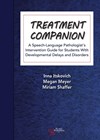
Treatment Companion: A Speech-Language Pathologist’s Intervention Guide for Students With Developmental Delays and Disorders
Written by experienced speech-language pathologists (SLTs) and described as a speech-language pathologist’s best friend, the Treatment Companion serves as a therapy guide for SLTs working with children and young people who have communication delays and/or disorders. The book is aimed...A path to leadership
In this article we learn more about the Ruth Thomsen’s journey in audiology and healthcare science, exploring the opportunities on the road less travelled. “Two roads diverged in a wood, and I—I took the one less traveled by,And that has...


