
You searched for "test"

Static positional nystagmus
This study aimed to clarify the interpretation of positional nystagmus (PN) by looking at the current criteria for significance of PN, comparison of PN in symptomatic patients with normative data, prevalence of PN among participants with balance problems and assessing...
Consider PCR testing in culture negative necrotising otitis externa
Necrotising otitis externa (NOE) often does not yield identification of a causative organism to treat although in 90% of cases it is a member of the pseudomonas species. The incidence of fungal NOE is not to be forgotten and this...
The effect of sleep deprivation on auditory processing
This article caught my eye for personal and professional reasons. As a full time ENT trainee working 24-hour on-calls, I also have young children who have never slept through the night and don’t respect weekends or days off. My FRCS...
Do personal listening devices cause cochlear synaptopathy?
Cochlear synaptopathy is a condition in which noise interrupts the synaptic communication between sensory inner hair cells and low spontaneous rate cochlear nerve fibres. Since these nerve fibres are associated with signal coding in noisy backgrounds, their disruption leads to...5th World Congress on Endoscopic Ear Surgery, Sao Paulo, Brazil
The 5th World Congress on Endoscopic Ear Surgery, held on June 20-21, 2024, the first of such a meeting in South America, showcased the latest advancements in endoscopic ear surgery (EES).Developments in diagnostic approaches for acutely dizzy patients
The acutely dizzy patient can be a diagnostic and management dilemma for emergency departments and general practitioners, with many patients consequently having delayed access to specialised assessment and treatment. David Jay tells us about HINTS, a bedside test that can...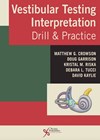
Vestibular Testing Interpretation: Drill and Practice
My overall impression of this book is that I liked it. While it reports to be designed for a trainee or junior practitioner, it may be useful for clinicians for whom vestibular conditions and testing is an area of heart-sink...
Velopharyngeal insufficiency after adenotonsillectomy
The authors retrospectively reviewed the clinical records of 320 paediatric patients who underwent either tonsillectomy, adenoidectomy or adenotonsillectomy, under a single paediatric ENT surgeon. Patients with pre-existing velopharyngeal insufficiency (VPI) were excluded, as assessed by preoperative testing for nasal air...
Allergen specific subcutaneous immunotherapy helps in prolonged control of allergic rhinitis
One of the commonest allergens involved in perennial allergic rhinitis is house dust mite. A good proportion of these cases prove intractable to treatment with oral and intranasal antihistamines and intranasal steroid sprays. Immunotherapy is considered a useful alternative and...
Postinfectious olfactory disorders
Recovery of olfactory function following URTI is frequent, even many years after the infectious insult. Upper respiratory tract infection is the commonest cause of olfactory loss. Many treatment options exist including topical steroids, vitamin B, acupuncture, and zinc, which can...
Importance of nasal septal cartilage perichondrium for septum strength mechanics: a cadaveric study
This experimental cadaver study aimed to investigate the biomechanical qualities of the perichondrium and cartilage, and to determine the strength of the septal cartilage against bending forces. The nasal septal cartilages of 14 fresh cadavers (eight hours post-mortem) without nasal...


