
You searched for "neuro-otology"
Robotic insertion of electrode array in cochlear implantation
Cochlear implants (CIs) are commonly used for profound bilateral hearing loss. They have specific national guidance for their insertion, however patients with a substantial residual acoustic hearing are potential CI candidates. Preservation of this residual hearing can be sought with...
Cochlear implants in the over 80s
The UK has an ageing population. Seven percent of the over 80s population have bilateral severe to profound hearing loss which can lead to associated negative outcomes (social isolation, depression and reduced quality of life). Cochlear implantation (CI) can successfully...
Current AI audiology knowledge
Artificial intelligence (AI) tools are becoming increasingly popular and can be utilised by patients, healthcare professionals and students. The performance of chatbots can be variable between different AIs and, indeed, different topics. There is no current consensus for the best...Modena Lateral Skull Base Summer School
By Manuela Cresswell and Sam Cho ENT UK Chris Raine and Matthew Yung Otology Travelling Fellowship Report We were honoured and grateful to be awarded the ENT UK Chris Raine and Matthew Yung Travelling Fellowship prize to Modena, Italy, to...
Scoring system to predict hearing impairment following hemifacial spasm surgical treatment
The authors analysed brain stem auditory evoked potentials prospectively in 100 patients undergoing endoscopic microvascular decompression for management of hemifacial spasm over a period of two years. They then developed a scoring system based on electrophysiological events to predict the...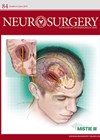
Single surgery for repair of tegmen defects and superior semicircular canal dehiscence
This retrospective review of 34 patients undergoing repair of the temporal bone defect via the middle cranial fossa approach provides the author’s management strategy for two problems: superior semicircular canal dehiscence and tegmen defects. The incidence of both these pathologies...Making audiology work during COVID-19 and beyond
‘New normal’ is another phrase that has become synonymous with this pandemic. In this article, consideration for ‘low-touch’ and ‘no touch’ audiological pathways are described for adoption as the ‘new normal’ for hearing healthcare. The COVID-19 crisis has ushered in...
Practical Neurotology and Skull Base Surgery
The introduction describes this text as being useful for a wide readership including the medical student, physician assistant, nurse practitioner and physical therapist dealing with dizziness. I would be of the opinion as indicated in the preface that this is...
Current Diagnosis & Treatment: Otolaryngology Head and Neck Surgery – Fourth Edition
I was quite intrigued to receive this book, as the third edition was a book I had read cover to cover whilst a trainee, and was one of my core books. Initially, having a quick glance through, I could immediately...
Quality of life after cochlear implantation in the older population
Cochlear implants (CI) have been increasingly adopted in older adults with severe to profound hearing loss as a result of the growing and ageing world population. There is much interest in the cost-effectiveness and quality of life in CI users....


