
You searched for "protection"

Adenotonsillectomy can improve ADHD and nocturnal enuresis
The link between chronic adenotonsillar hypertrophy (CAH) and behavioural disturbance is well recognised. Several studies have found that CAH has been associated with attention deficit hyperactivity disorder (ADHD) and treatment of CAH may diminish symptoms of ADHD in a subset...
Seeking medical attention with tonsillectomy complications depends on who you are. Lessons from the USA
In the current UK model, NHS care is free at point of access so there are no perceived economic barriers to seeking attention with postoperative complications. This study from the US examines surgical and emergency room databases from across California,...
The effect of sleep deprivation on auditory processing
This article caught my eye for personal and professional reasons. As a full time ENT trainee working 24-hour on-calls, I also have young children who have never slept through the night and don’t respect weekends or days off. My FRCS...
Facial palsy: What do patients and healthcare care about?
The article describes the process for establishing a collaborative research agenda to address gaps in understanding of the diagnosis, treatment management of facial palsy. A Delphi technique was used in order to establish a facial palsy research agenda. In round...
The debate: endoscopic vs microscopic ear surgery – meta-analysis of outcomes
Although the endoscopic approach to ear surgery has become more common in clinical practice, the debate about its role versus the traditional microscopic approach continues in many ENT units. This meta-analysis from the Mount Sinai ENT department in New York...Accurately diagnosing reflux to direct personalised treatment
Laryngopharyngeal reflux (LPR) frequently causes severe extra-gastrointestinal symptoms – such as a persistent cough, vocal problems, asthma or difficulty swallowing – that can be easily confused with a common cold and allergies.Cochlear Implant International Community of Action: closing the gap in CI provision
The 25 February was International Cochlear Implant (CI) Day. Over 50 years after the introduction of CIs, how far have we progressed in ensuring access to CI and CI services for those who could benefit? Only between five and 10%...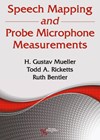
Speech Mapping and Probe Microphone Measurements
Consisting of seven chapters, 300 pages, numerous graphs and images, alongside a host of ‘tips and tricks, ‘clinical concepts, and ‘points to ponder’, you will be hard-pressed to find a more detailed, thorough discussion of all things related to probe...
Updates on current evidence for biologics in chronic rhinosinusitis
For a comparatively short piece, this article manages to pack in a lot of important information about a complex emerging area of rhinology – immunologically targeted therapy (biologics). Immunologically targeted therapy is a rapidly progressing and expanding domain which is...
Telepractice for the delivery of paediatric feeding services
During the current COVID-19 pandemic, telepractice is being heralded as the safest service delivery mode for the majority of outpatient consultations. Patients are reviewed by their healthcare specialist through video consultations, thus avoiding the need for patients to leave their...
RCT: tongue retaining devices vs CPAP for OSA
This study compared the effect of a tongue retaining device versus the use of CPAP in 27 patients within a crossover RCT design. Tongue retaining devices (also known as tongue stabilising devices), are similar in appearance to a plastic tongue-sized...


