
You searched for "antibiotics"

Does head trauma as aetiology of deafness affect the outcomes of cochlear implantation?
Head trauma associated with temporal bone fractures is a well known aetiological factor for deafness. The literature assessing the outcomes of cochlear implantation in such cases is rather limited. In this paper, the authors compared the performance of implantees with...
Globus – benign when the sole symptom
This is a prospective cohort study of Danish patients that presented to an otolaryngologist’s office with globus over the course of a year. They accounted for 4% of new patients, amounting to 122 patients in this study (57 patients were...
Genetic testing in congenital hearing loss
Advances in genetic testing over the last decade have reduced the cost and time such testing required and increased understanding of the genes involved in conditions like congenital hearing loss. This study from Atlanta looks at genetic testing from a...
How common is oropharyngeal dysphagia amongst the adult population?
It is well known that oropharyngeal dysphagia (OD) is a symptom arising from many different aetiologies or disease conditions and that it is a significant morbidity affecting people’s quality of life. Establishing the prevalence of OD is complicated by the...
Conductive hearing loss – when and why to scan
Ossicular fixation or discontinuity can occur at any point along the ossicular chain and is estimated to cause conductive hearing loss (CHL) in approximately 55% of patients. Computed tomography (CT) imaging of the temporal bone identifies bony pathologies that contribute...
Large septal perforation repair
Repair of large nasal septal perforations (NSP) can be challenging due to limited availability of surrounding nasal tissue, mucosal tension and diminished vascularity. The authors of this manuscript included 38 studies involving 408 patients with large NSP, with aetiologies ranging...Celebrating CIICA's first anniversary
It was cause for a double celebration: not only was 25 February named as International Cochlear Implant Day, but it was the first anniversary of the CI International Community of Action (CIICA).All set for IFOS – an interview with Professor Ramos
Professor Angel Ramos-Macias. Our Newsround editor, Haseem Raja, asks Professor Angel Ramos-Macias about his plans for IFOS 2026, which takes place in Istanbul in September. Can you briefly describe your role in IFOS 2026 and what it involves? My actual...Tinnitus Week 2025
Tinnitus UK, the only charity in the UK dedicated to providing tinnitus support services, is marking Tinnitus Week 2025 (3–9 February) with a programme of events and awareness-raising activities.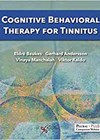
Cognitive Behavioral Therapy for Tinnitus
I was sceptical when I read that Cognitive Behavioral Therapy for Tinnitus was aimed at both clinicians and people with tinnitus. All too often, books intended for such a wide readership end up being too academic to appeal to patients...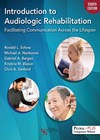
Introduction to Audiologic Rehabilitation: Facilitating Communication Across the Lifespan – Eighth Edition
The eighth edition of Introduction to Audiologic Rehabilitation is an invaluable and highly informative resource for anyone involved in the field of audiology and speech-language pathology. Designed to accommodate undergraduates, graduates and experienced clinicians alike, this textbook skilfully bridges the...


