
You searched for "prevention"

Implications of tonsillectomy in very young children
This is a comprehensive study comprising 157 children who underwent tonsillectomy below the age of two years, mainly for sleep-disordered breathing (86.6%) and recurrent tonsillitis (7%). With relatively recent understanding of OSAS, the indications for tonsillectomy in children under two...
Assessment of audiological needs
A thorough assessment of audiological needs is crucial for a successful audiological rehabilitation. This study concentrated on creating the Québec Audiological Assessment Protocol for Younger and Older Adults (QAAP-YOA) that could be easily adopted in audiological clinics. The authors used...
Supporting parents in improving their child’s hearing device use time
On the topic of supporting parents with improving their child’s hearing device time, The Hearing Journal recommends sharing a video from Hearing First (video provided online by Hear Jour; produced by www.hearingfirst.org) and provides a unique printable resource for parents...Rehabilitation of unilateral sensorineural hearing loss: bone vs air conduction
The re-routing of sound from the deafened ear to the hearing ear has been the mainstay of rehabilitation for SSD for many years. Both hearing aid and bone conduction technology have undergone significant advances over the past decade. This article...
Programming Cochlear Implants – Third Edition
Now in its third edition, Programming Cochlear Implants provides a valuable guide for clinicians, researchers and students interested in working with cochlear implants. To my knowledge there is no other textbook on the market that attempts such a comprehensive review...
Sudden Hearing Loss: Stories of Hope, Guidance, and Support
This book combines personal narratives with information surrounding sudden hearing loss, a condition that could be frightening, isolating and confusing to those experiencing it. I feel the book would succeed in reassuring those who experience the condition by providing personable...
Recent Advances in Otolaryngology: Volume 10
This new edition comes 12 years after the previous one. It is presented in six sections covering the major subspecialties within otorhinolaryngology, along with a section on innovations and advances in the specialty. The editors have invited subject specialists from...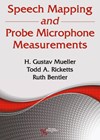
Speech Mapping and Probe Microphone Measurements
Consisting of seven chapters, 300 pages, numerous graphs and images, alongside a host of ‘tips and tricks, ‘clinical concepts, and ‘points to ponder’, you will be hard-pressed to find a more detailed, thorough discussion of all things related to probe...
Nasal nitric oxide – an inflammatory marker in paediatric allergic rhinitis?
Nasal nitric oxide (nNO) is mainly produced in the paranasal sinus mucosa and was shown in some studies to have increased expression in allergic rhinitis (AR). Although it represents a potential non-invasive tool for AR measurement, there remains no consensus...
Blocked nose in children with allergic rhinitis
Nasal obstruction is a classic symptom in children with allergic rhinitis. While the nasal obstructive disorders including septal deformity, turbinate hyperplasia and adenoidal enlargement are widely recognised in adult nasal blockage, their relationship with paediatric allergic rhinitis however, is scarcely...
Can the threshold for drain removal after selective lateral neck dissection be safely raised to an output volume of less than 100 mL in a 24-hour period?
Closed-suction drains are routinely used by most head and neck surgeons after selective lateral neck dissections (SLNDs). A recent survey of more than 360 head and neck surgeons found that more than 60% use a criterion of less than 30...


